Hey folks, if you’ve ever ordered LED strips for a game room, bedroom accent wall, or even a small store sign, you’ve probably skipped right past the tiny box labeled “LED controller” at the bottom of your cart. Maybe you just picked whatever strip was cheapest and figured the built-in remote would work fine. But if you’re someone who’s been around LED controllers for a minute—like, say, we’ve been supplying these for clients from DIY tinkerers to restaurant chains for over a decade—you know the controller is the unsung star of any good LED setup. Today, we’re breaking down the real difference between basic and advanced LED controllers, no confusing jargon, no sales fluff. This is the stuff we explain to every customer who walks (or calls) us, because getting the right controller saves you so much headache later. LED Controller
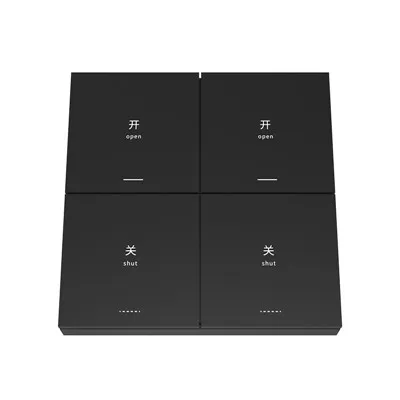
First, let’s ground this in what a controller actually does, because way too many people treat it like a fancy dimmer switch. A basic LED controller is the middleman between your power source and your LED strip. Its whole job is to turn power on and off, adjust brightness, and maybe cycle through a handful of pre-set color modes—red, blue, green, fade between those, flash for a party, that kind of stuff. That’s it. It doesn’t do anything else. Now, an advanced controller? That’s not just a fancier dimmer. It’s a smart hub that lets you customize every single part of your LEDs, sync them to other devices, and handle way more complex installations than your average bedroom setup. Let’s dive deeper into the nitty-gritty, because the line between basic and advanced isn’t just about “more buttons.”
Let’s start with core functionality. Basic controllers are almost always pre-programmed. You can’t make up a custom color—you’re stuck with the 12 or 24 that are already loaded into the chip inside. If you want “that exact soft sky blue you see in sunset photos”? Forget it. You’ll have to pick the closest blue on the remote, and it’ll never be right. The modes are fixed too: fade speed, flash pace, all that is locked. Some budget controllers even have a hard limit—if you’re running a strip longer than 16 feet, it’ll dim unevenly toward the end because the basic controller can’t push enough power or signal to the whole strip. It’s designed for small, simple setups: a 5-foot strip under a kitchen cabinet, a kid’s nightlight, a tiny accent strip above a desk. That’s where basic controllers shine—cheap, easy to set up, no tech skills needed.
Advanced controllers? They let you paint with whatever color you want. Literally. Most use an RGB (or RGBW, if you’re going for bright, warm whites) color wheel, but instead of pre-set colors, you can dial in every shade from #000000 to #FFFFFF down to the single hex code. Want to match your brand’s exact teal for your store window? Done. Want to replicate the warm, golden glow of a string of old incandescent bulbs for a patio? You can adjust the white temperature too, not just brightness. And power? Advanced controllers usually handle up to 65 feet of strip, sometimes more, without uneven dimming. Some even let you connect multiple strips at once—so your game room has under-cabinet strips, back wall strips, and a strip along the pool table, all controlled from one device. That’s a big upgrade from basic, which can only run one strip at a time, and you’d need a separate controller for every one.
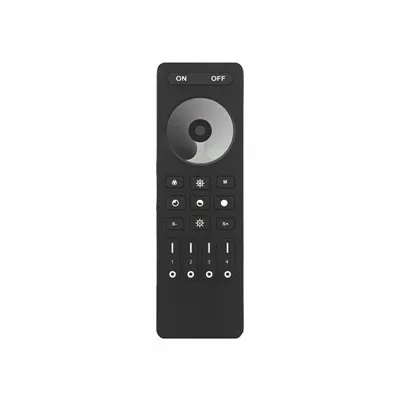
Next up, control options. Basic controllers almost always come with a tiny IR remote, or sometimes a Bluetooth remote that only works if you’re like 10 feet away and there’s nothing blocking the signal. If your remote falls behind the couch? You’re stuck manually adjusting the controller, which is usually tucked behind a cabinet. No way to change colors from your phone while you’re in bed. Some budget ones don’t even let you save your favorite color—you have to adjust it every time you turn it on. That’s annoying, right?
Advanced controllers, on the other hand, give you way more control. Most have Bluetooth or Wi-Fi, so you can use a phone app from anywhere in the house, or even when you’re at work. You can save 10 different favorite color presets so you don’t have to re-adjust every time—like “movie mode” (dim, dark blue), “gaming mode” (bright, neon red), “relax mode” (soft amber). Wait for it—there’s more. A lot of advanced controllers work with smart home systems: Alexa, Google Assistant, Siri, even Apple HomeKit. So you can say, “Alexa, set my living room LEDs to warm white” instead of pulling out a remote. Some even support app-based programming—you can schedule your LEDs to turn on at sunset, dim to night mode at 10 PM, or fade to red when you get a work call. That’s the stuff that turns a cool light strip into a functional part of your space, not just a fun gadget.
Then there’s syncing. Basic controllers can’t sync to anything but themselves. If you want your LED strip to flash in time with a speaker for a party? Forget it. The basic controller doesn’t have audio detection built in. Advanced controllers? Oh yeah, they have that. Most have built-in mic sync, so your lights will pulse to the beat of your music, movie soundtrack, or even your kid’s video game sounds. Some even work with sync boxes that hook up to your TV, so the LEDs behind your couch will match what’s on screen—when the main character wears a blue shirt, the lights turn blue; when it’s a fire scene, they turn orange. That’s a game-changer for home theater setups, right? And for commercial spaces—like a bar that wants its lights to sync to live music, or a retail store that can match its LED signs to seasonal sales graphics. Basic controllers can’t do any of that.
Wait, let’s talk about durability and installation, because that’s a big one a lot of people miss. Basic controllers are made for indoor, low-demand setups. They’re small, cheaply built, and can’t handle being outside or in high-heat areas. If you try to use a basic controller for a patio strip that gets direct sun, it’ll burn out in a few months. They also usually have very limited wiring options—only one input for the strip, and you can’t expand it. Advanced controllers, though, are built for both indoor and outdoor use. We’ve supplied advanced controllers to customers who run strips on their backyard decks, under awnings, even along the side of their house. They’re made with weather-resistant parts, so they don’t fry in rain or extreme heat. They also have expandable ports—so if you want to add a new strip later, or connect to a dimmer switch or a motion sensor, you don’t have to rip out the whole setup and start over. Basic controllers can’t do that expansion.
Now, when would you pick which one? Let’s be real—basic controllers aren’t bad. If you’re doing a simple 10-foot strip for a desk, or a kid’s bedroom accent light, you don’t need to drop $50 on an advanced controller. Save your money, go basic. But if you’re doing a longer strip, a multi-strip setup, a home theater, a commercial space, or want smart features like syncing or scheduling? Advanced is the way to go. We’ve seen so many customers who bought basic controllers for their storefront, then came back 6 months later frustrated because the lights wouldn’t sync to their sign, or were too dim at the end of the strip, or they couldn’t adjust colors to match their branding. That’s the mistake—assuming a cheap controller works for every setup.
Here’s a quick example: Last quarter, a local café came to us complaining their basic LED controller died 3 times in a year. Turns out, they had it mounted outside their front window, where it got direct sun all day. The basic controller wasn’t weather-sealed, so the heat fried it. We swapped it for an advanced, weather-rated controller, and they haven’t had an issue since. They also now use the app to set the lights to warm white during the day (to match their wooden furniture) and soft red during dinner service, which customers love—they even said it’s boosted their evening sales a little. That’s the kind of difference a controller makes.
Another example: A tiktok creator we work with wanted a LED setup for their streaming desk. They started with a basic controller, but couldn’t get their lights to sync to their gameplay. They switched to an advanced controller with mic sync, and now their chat asks about their “vibe lights” all the time, which has helped grow their stream. Small upgrade, big impact.
Wait, let’s clear up a common myth: A lot of people think “advanced” just means more expensive. Well, yeah, but not always. Some entry-level advanced controllers are only $10 more than a high-end basic controller, and you get way more features. You don’t have to drop $100 for a fancy setup—you just have to pick the right level for what you need.
If you’re still not sure which one fits your project, our team here can help. We supply both basic and advanced controllers, and we’ve worked on everything from tiny DIY setups to large commercial installations. If you’re planning a bedroom accent wall, a small under-cabinet strip, or a kids’ playroom, basic is perfect. If you’re doing a home theater, backyard deck, retail store, or streaming setup, advanced is going to save you from headaches later and give you way more customization.
Don’t make the mistake of treating the controller like an afterthought. A lot of people spend $50 on a LED strip and only $5 on a controller, but that’s like buying a high-end TV and using a $10 antenna—you’re not getting the most out of it. The controller is what makes your LEDs actually work the way you want them to.
Whether you’re a first-time DIYer or a small business owner looking to upgrade your space, we’ve got the controller that fits your needs. No guesswork, no hidden fees, just straight up recommendations based on what you’re building. If you’re ready to figure out which controller is right for you, reach out to our team to chat through your project—we’re here to help you get your LEDs working exactly how you want them to.
Wireless Sensor Switch References
- LED Lighting Manufacturer’s Association. (2022). “LED Controller Functionality for Residential and Commercial Installations.” Lighting Technology Quarterly.
- Consumer Electronics Association. (2021). “Smart Home LED Device Compatibility and Performance.” CE Industry Report.
- Outdoor Lighting Association. (2023). “Weather Resistance Ratings for LED Controllers.” Outdoor Lighting Standards Bulletin.
Dongguan Lanbaoli Intelligent Technology Co., Ltd.
As one of the most professional led controller manufacturers and suppliers in China, we’re featured by quality products and low price. Welcome to buy advanced led controller for sale here from our factory. If you have any enquiry about quotation, please feel free to email us.
Address: 10th Floor, Building 32, Golden Town, No. 7 Technology Avenue, Houjie Town, Dongguan City, Guangdong Province
E-mail: anna@lampow.cn
WebSite: https://www.lblsensor.com/
