Stress in sheet metal during machining is a common yet challenging issue that can significantly impact the quality and performance of the final product. As a sheet metal machining supplier, I’ve encountered this problem countless times and have developed several effective strategies to deal with it. In this blog, I’ll share some of the key methods we use to manage stress in sheet metal during the machining process. Sheet Metal Machining

Understanding the Sources of Stress in Sheet Metal Machining
Before we can effectively deal with stress, it’s crucial to understand where it comes from. There are several primary sources of stress in sheet metal machining:
Thermal Stress
During machining, the cutting process generates a significant amount of heat. This heat causes the metal to expand, and when it cools, it contracts. The uneven expansion and contraction can lead to thermal stress within the sheet metal. For example, in high – speed milling operations, the rapid friction between the cutting tool and the metal can raise the temperature of the workpiece substantially. If the cooling is not uniform, different parts of the sheet metal will contract at different rates, resulting in internal stress.
Mechanical Stress
Mechanical stress is induced by the forces exerted on the sheet metal during machining. Cutting forces, clamping forces, and the pressure from the machining tools can all cause deformation and stress in the metal. When we use a punch press to cut or form sheet metal, the high – pressure impact can create local stress concentrations. If the clamping is too tight, it can also introduce additional stress, especially around the clamping points.
Residual Stress
Residual stress is present in the sheet metal even before the machining process begins. It can be a result of the manufacturing processes used to produce the sheet metal, such as rolling, forging, or heat treatment. These processes can leave internal stress within the metal, which may be further exacerbated during machining.
Strategies to Deal with Stress in Sheet Metal Machining
Pre – machining Treatment
- Annealing: Annealing is a heat treatment process that involves heating the sheet metal to a specific temperature and then slowly cooling it. This process helps to relieve residual stress and improve the metal’s ductility. By reducing the internal stress, we can minimize the risk of distortion during machining. For example, we often anneal stainless steel sheet metal before machining to make it more workable and less prone to cracking.
- Shot Peening: Shot peening is a surface treatment method where small spherical particles are shot at the surface of the sheet metal. This process induces compressive stress on the surface, which can counteract the tensile stress that may develop during machining. Compressive stress on the surface can improve the fatigue resistance of the metal and reduce the likelihood of stress – related cracking.
Machining Process Optimization
- Tool Selection and Geometry: Choosing the right cutting tools is essential for reducing stress in sheet metal machining. Tools with sharp edges and appropriate geometries can cut through the metal more efficiently, reducing the cutting forces and heat generation. For instance, using a carbide – tipped end mill with a high – helix angle can provide a smoother cutting action and lower the stress on the sheet metal.
- Cutting Parameters: Adjusting the cutting parameters such as cutting speed, feed rate, and depth of cut can also help manage stress. Lower cutting speeds and feed rates generally result in less heat generation and lower cutting forces. However, we need to find the right balance to ensure productivity. For example, in a turning operation, reducing the cutting speed and increasing the feed rate slightly can reduce the thermal stress while maintaining an acceptable machining time.
- Coolant and Lubrication: Using coolants and lubricants during machining is crucial for reducing heat and friction. Coolants can dissipate the heat generated during cutting, preventing thermal stress. Lubricants, on the other hand, can reduce the friction between the cutting tool and the metal, lowering the cutting forces. We typically use water – based coolants for most sheet metal machining operations, as they are effective in heat dissipation and environmentally friendly.
Post – machining Treatment
- Stress Relieving Heat Treatment: After machining, we can perform a stress – relieving heat treatment to remove any stress that may have been introduced during the process. This involves heating the sheet metal to a relatively low temperature (below the critical temperature) and holding it for a specific period, followed by slow cooling. This process helps to relax the internal stress and stabilize the shape of the workpiece.
- Vibration Stress Relief: Vibration stress relief is a non – thermal method of relieving stress. By subjecting the sheet metal to controlled vibrations, we can cause the internal stress to redistribute and reduce. This method is particularly useful for large – scale sheet metal components where heat treatment may not be practical.
Quality Control and Monitoring
In addition to the above strategies, we also implement a comprehensive quality control and monitoring system to ensure that the stress in the sheet metal is effectively managed.
In – process Inspection
We conduct regular in – process inspections during machining to detect any signs of stress – related issues. This includes checking for surface cracks, dimensional changes, and warping. By identifying problems early, we can take corrective actions immediately, such as adjusting the machining parameters or changing the cutting tools.
Non – destructive Testing
Non – destructive testing methods such as ultrasonic testing and X – ray inspection can be used to detect internal stress and defects in the sheet metal. These methods allow us to assess the quality of the workpiece without damaging it. For example, ultrasonic testing can detect internal cracks and stress concentrations, which can help us determine if the stress management strategies are effective.
Conclusion
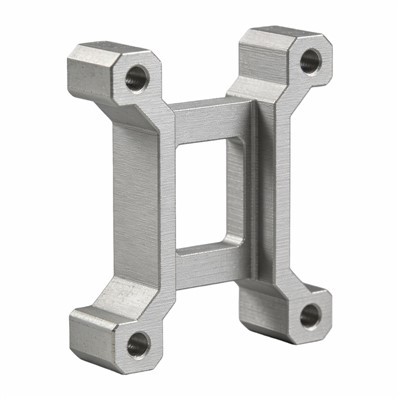
Managing stress in sheet metal during machining is a complex but essential task for a sheet metal machining supplier. By understanding the sources of stress, implementing appropriate pre – machining, machining, and post – machining treatments, and conducting rigorous quality control, we can produce high – quality sheet metal components with minimal stress – related issues.
CNC Metal Machining If you are in need of sheet metal machining services and are concerned about stress management, we are here to help. Our team of experienced engineers and technicians can provide customized solutions to meet your specific requirements. Contact us to discuss your project and explore how we can work together to achieve the best results.
References
- Kalpakjian, S., & Schmid, S. R. (2009). Manufacturing Engineering and Technology. Pearson Prentice Hall.
- ASM Handbook Committee. (2000). ASM Handbook, Volume 4: Heat Treating. ASM International.
- Groover, M. P. (2010). Fundamentals of Modern Manufacturing: Materials, Processes, and Systems. Wiley.
Shenzhen Jingcheng Dingyi Forming Technology Co., Ltd.
Shenzhen Jingcheng Dingyi Forming Technology Co., Ltd. is one of the most professional sheet metal machining manufacturers and suppliers in China, also supports customized service with low price. Please feel free to buy bulk cheap sheet metal machining from our factory. For quotation, contact us now.
Address: 1st Floor, Building 3, Huafeng Zhenbao Industrial Park, No.137 Shihuan Road, ShiYan Town, Bao’An District, ShenZhen, PRC
E-mail: 13071475061@163.com
WebSite: https://www.jctop-cnc.com/
