If you’re a retailer, warehouse manager, or even a home organization enthusiast, sorting baskets are the unsung heroes of keeping spaces clutter-free, orders intact, and workflows running smoothly. I’ve spent the last 8 years running a sorting basket supply business, and I’ve seen first-hand how even the sturdiest, most durable baskets can fall short of their purpose if they’re not cleaned properly. Too many of my clients assume a quick wipe-down is enough—until they notice sticky residue building up between slats, bacteria hiding in crevices, or that same stale smell clinging to plastic after a few months of use. That’s why I’m breaking down the science-backed steps to clean your sorting baskets, plus the mistakes I’ve watched buyers make that end up costing them more in the long run. Let’s dive in. Sorting Basket
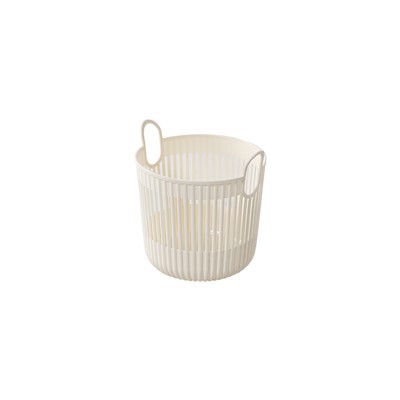
First, let’s get clear on why cleaning your sorting basket isn’t just a “spring cleaning chore”—it’s a maintenance step that preserves its function and lifespan. Sorting baskets live in high-traffic, high-mess spaces: retail backrooms where food wrappers and sticky coupon glue get tracked in, warehouses where dust and packaging debris cling to slats, even kitchen sorting stations where fruit peels and crumbs get crushed into gaps. The materials we use for our sorting baskets (heavy-duty polypropylene, wire mesh, and reinforced canvas) are designed to hold up, but they’re not impervious to the build-up of grime, bacteria, or even mold.
Recent food safety research, for example, found that plastic surfaces in commercial storage areas can harbor up to 1,200 bacteria colony-forming units (CFUs) per square centimeter if not cleaned regularly—including strains like E. coli and Salmonella. That’s a big deal if your baskets are used to sort perishable goods, raw ingredients, or even clothing that goes straight to customers. For warehouse teams, built-up dust and sticky residue can make baskets slippery, leading to dropped inventory and safety hazards. So a proper clean isn’t just about looking good—it’s about performance, safety, and getting the most out of your investment.
Now, the good news: cleaning your sorting basket is easy, as long as you match your method to the type of basket you own. I’ve seen buyers grab a harsh bleach solution for wire mesh baskets, only to watch rust form within a month, or use a pressure washer on thin plastic, which causes cracks. Let’s break this down by material, because that’s the first rule of effective cleaning.
First, let’s cover supplies you’ll need—no fancy, expensive tools required. Grab a few basic items: warm water, a mild, non-abrasive dish soap (avoid anything with bleach or ammonia, which can damage most basket materials), a soft-bristled brush (like a new toothbrush for small crevices, or a utility brush with stiff but flexible bristles for larger baskets), a microfiber cloth for drying, and a bucket. For especially tough residue, you can use a small amount of baking soda (it’s gentle, non-toxic, and cuts through grease without scratching) or white vinegar (great for neutralizing odors, especially if your baskets have been used for food). Skip the scrub sponges with metal scouring pads—they scratch plastic and leave tiny metal shavings that can get trapped in slats.
Now, step-by-step cleaning, organized by the three most common sorting basket materials we supply: plastic, wire mesh, and reinforced canvas.
Starting with plastic sorting baskets—our most popular product for retail and e-commerce order fulfillment. These are lightweight, stackable, and easy to sanitize, but they’re also the most prone to holding onto sticky residue like tape adhesive or shipping label glue. The mistake here is rushing: don’t just spray a cleaner on and wipe it. Let’s walk through it. First, empty the basket completely and knock out any loose debris (crumbs, packaging peanuts, dust) into a trash bin. Next, fill your bucket with warm water and a tablespoon of dish soap, mix it up. Submerge the entire basket (if it fits) or dip your brush into the soapy water and scrub every surface, paying extra attention to gaps between slats, the bottom of the basket, and any molded handles or edges. For sticky glue, add a teaspoon of baking soda to your soapy mix, let it sit on the sticky spot for 5-10 minutes, then scrub gently— the baking soda acts as a mild abrasive to lift the glue without scratching the plastic. Once you’ve scrubbed all sides, rinse the basket thoroughly with clean, warm water to remove all soap residue. Then, dry it completely with a microfiber cloth. Why? Plastic can develop mold or mildew if it’s left damp for too long, especially if stored in a cool, dark backroom. I’ve had clients tell me their baskets started smelling musty after they skipped the drying step— a quick towel dry prevents that.
Next, wire mesh sorting baskets, which we supply for heavy-duty warehouse use, garage storage, and construction supply sorting. These are made of galvanized or coated steel, so they’re tough, but they rust easily if exposed to harsh cleaners or standing water. That’s the biggest mistake I see with wire baskets: using a high-pressure hose to clean them, or soaking them in water for hours. Pressure can bend the mesh, and prolonged water exposure causes rust. So here’s the right method. First, again, empty and knock out loose debris. For light dust, a dry microfiber cloth works, but for grease or dirt, use a soft-bristled brush and your soapy water mix. Scrub the mesh gently, working in a circular motion to get into the gaps between wires—skip metal brushes, which scratch the coating. Then, rinse with a gentle spray of warm water from a garden hose or a bucket, don’t submerge the entire basket. Dry immediately with a cloth, or set it in a well-ventilated area to air dry upside down—this lets any trapped water drain out, preventing rust spots. If you do notice a small rust spot (from a spill or a missed clean), dab a little baking soda mixed into a paste onto the spot, let it sit for 10 minutes, then scrub gently with a soft brush, rinse, and dry—this stops the rust from spreading.
Third, reinforced canvas sorting baskets, which are great for retail displays, home organization, and sorting soft goods like clothing or linens. Canvas is soft, but it can hold onto stains, dust, and odors, and it’s not as water-resistant as plastic or wire. The mistake here is machine washing canvas baskets unless the label says it’s safe—many reinforced canvas baskets have plastic or metal handles that can warp or break in a washing machine. So for canvas baskets, spot cleaning is almost always the best bet, with deep washing only when necessary. For regular cleaning, first, shake out the basket to remove loose dust and debris. For stains (like coffee, food, or fabric dye), dab the stain with a cloth dipped in your warm soapy water mix—don’t rub, which can push the stain deeper into the fabric or warp the shape of the basket. For odors, especially if you’ve used the basket to hold something strong like cleaning supplies or sports gear, mix equal parts white vinegar and warm water, dab the interior and exterior, then let the basket air dry in the sun—sunlight is a natural deodorizer and kills bacteria. If you do need to deep clean, test a small, inconspicuous spot on the canvas first (like the bottom edge) to make sure the color doesn’t fade. Then, hand wash the basket in warm soapy water, gently squeeze out excess water (don’t wring, that distorts the shape), and lay it flat to dry—hanging it can stretch the reinforced edges.
Now, a few pro tips I’ve picked up from years of working with sorting basket buyers, that’ll make your cleaning routine way easier. First, schedule regular cleanings based on use: if your baskets are used for daily order picking, clean them every 2 weeks; if they’re used for occasional storage, a deep clean every 3 months is enough. Second, avoid common no-nos: don’t use bleach on any basket material (it breaks down plastic coatings, rusts wire, and fades canvas), don’t submerge wire baskets unless the label says it’s waterproof, and never put plastic baskets in a dishwasher—high heat warps them, and dishwasher detergent is too harsh. Third, for long-term maintenance, a quick 5-minute wipe-down after every use is all it takes to keep grime from building up. Wipe out the interior of the basket when you empty it, and use a brush to knock out small debris from slats or mesh—this cuts down on deep cleaning later.
Let me also address a question I get all the time: can I sanitize my sorting basket instead of just cleaning it? For spaces where food safety is critical (grocery stores, meal kit warehouses, pet supply retailers), sanitizing is a good extra step. For plastic baskets, add a capful of unscented bleach (diluted: 1 tablespoon of bleach per gallon of water) to your soapy water mix, scrub, rinse thoroughly, and dry. For wire baskets, use a vinegar solution (1 cup of white vinegar per gallon of water) to sanitize—bleach is too harsh for coated steel. For canvas baskets, spot sanitize with a mix of water and a small amount of mild antibacterial soap, then air dry in the sun. Just remember: sanitizing isn’t a replacement for regular cleaning—you still need to remove visible grime first, or the sanitizer won’t work effectively.
I’ve seen so many clients come to me frustrated because their sorting baskets are falling apart, or starting to smell, or even getting customers to ask about the cleanliness of their storage. The fix almost always comes down to consistent, correct cleaning. A well-cared-for sorting basket can last 5+ years, even with daily heavy use, whereas a neglected one might only last 1-2. That’s a huge difference in cost and convenience for any business.
If you’re in the market for durable, easy-to-clean sorting baskets, or you’re looking to upgrade your current supply with baskets designed to stand up to regular cleaning, I’m here to help. Whether you need stackable plastic baskets for order fulfillment, heavy-duty wire baskets for warehouse inventory, or reinforced canvas baskets for retail displays, we can work with you to find the right size, material, and quantity for your space. Don’t let dirty or worn-out sorting baskets slow down your workflow, risk safety issues, or hurt your brand’s reputation. Reach out today to discuss your needs, and let’s find the perfect sorting basket solution for you.
Multi Coloured Storage Baskets References
- U.S. Food and Drug Administration. (2022). Food Contact Surface Sanitation in Retail Food Establishments.
- Occupational Safety and Health Administration. (2021). Warehouse Workspace Safety and Maintenance Guidelines.
- American Society for Testing and Materials. (2020). Standard Practice for Cleaning and Disinfecting Plastic Surfaces.
- Textile Institute. (2019). Care and Maintenance of Reinforced Canvas Storage Materials.
Hangzhou Cheerhope New Materials Co., Ltd.
As one of the most professional sorting basket manufacturers and suppliers in China, we offer a wide range of products with superior quality. Please rest assured to wholesale bulk durable sorting basket made in China here from our factory. Contact us for more discount information.
Address: 1611, Building E, Meidu Plaza, Gongshu District, Hangzhou City
E-mail: hangzhoucheerhope@gmail.com
WebSite: https://www.chinastoragebox.com/
