Hey there, thanks for stopping by! I’m Jake, been running a tarpaulin supply business for about 7 years now, and let me tell you—agricultural tarps are way more than just that flimsy blue sheet you might see draped over a pile of firewood. A lot of new farmers hit me up asking, “Wait, what exactly do those things do out on the farm?” so I figured I’d break it down straight, no jargon, just the real stuff I see guys using every day. Tarpaulin
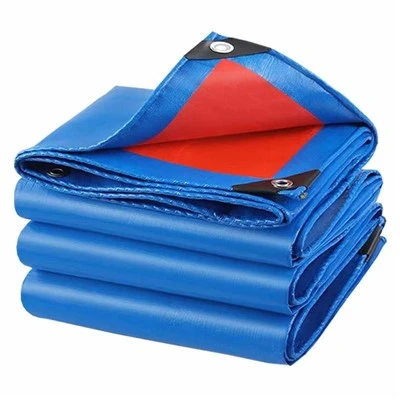
First off, let’s cut through the confusion: not all tarps are created equal. The agricultural ones I sell aren’t the cheap, thin vinyl you pick up at a hardware store for a camping trip. These are built for dirt, sun, rain, and even the random gusty wind that knocks over a fence. Let’s start with the biggest use most folks know, but don’t realize how versatile it is—crop protection.
When I’m out at a local corn farm this time of year, half the guys have a tarp draped over their newly harvested corn cobs stacked in rows. Why? If you leave corn uncovered, a single heavy rain can soak those kernels, making them moldy before you even get them to the elevator. Or if there’s a sudden heatwave, the sun can dry them out too fast, making them crack and lose weight—weight that adds up to hundreds of dollars lost on a 50-acre field. I’ve had a farmer tell me last year he saved $1,200 just by throwing a couple of our 16×20 agricultural tarps over his corn pile instead of letting it get rained on. That’s the stuff no one talks about, but it’s the difference between a good year and a tight one.
But it’s not just grain. Fruit and veggie farmers use these too. I supply a small strawberry farm an hour from here, and they use lightweight, breathable agricultural tarps to cover their beds overnight when a frost’s coming. Frost can kill a whole strawberry crop in one night—if the temp drops below 32 degrees, those little berries turn mushy and unmarketable. Their tarps are thin enough to let some sunlight through during the day, so the plants don’t get stressed, but thick enough to trap a little heat when the temp dips. They did that twice last spring, and I asked them what would’ve happened if they didn’t—they said they’d’ve lost 80% of their first harvest. That’s huge. We also sell these for hay bales, which is another big one. Wet hay molds super fast, and once mold sets in, it’s useless for feeding cattle. Drape a heavy-duty, waterproof tarp over your round hay bales stacked in the field, and you can get through 6 months of rain without a single bale going bad. I’ve seen guys use regular tarps for hay before, but they tear easy from hay spikes, so you end up wasting more money replacing them. Our agricultural tarps are reinforced with stitching along the edges, so they can handle those sharp hay ends without ripping.
Next up: equipment and storage. Let’s be real, farmers have way too much gear—tractors, plows, irrigation pumps, even pickup trucks that spend half their time out in the field. A lot of folks leave their smaller equipment outside, and rain or rust can ruin it faster than you think. I had a guy last month who left his irrigation pump out for a week after harvest, and when he went to fire it up, the electric parts were corroded. He bought one of our 20×25 heavy-duty tarps, covered the pump and the hoses, and hasn’t had a problem since. We also use these for temporary storage during construction on a farm. If you’re building a new barn or a silo, you can pile lumber, tools, or concrete supplies under a tarp for a few weeks instead of renting a storage unit that adds up fast. It’s way cheaper and works just as good, as long as you get the right size.
Wait, there’s one use I didn’t expect when I first started—soil and mulch protection. A lot of no-till farmers use agricultural tarps to cover their fields between crops. If you leave soil bare, wind can blow away the topsoil (the good, nutrient-rich stuff that makes crops grow) and rain can wash it into ditches, which not only wastes soil but also clogs up drainage systems. Covering with a tarp keeps the soil in place, and you can even use a permeable agricultural tarp that lets water seep through, so you don’t get standing water that can kill beneficial soil bacteria. Some farmers also use these for compost piles. Compost needs to stay moist, but not too wet. A tarp keeps excess rain out, and if you lift it a little at the edges, air can get in so your compost doesn’t turn slimy and smelly. I’ve had a few guys come back and say they doubled their compost production after switching to our tarps instead of just leaving piles uncovered.
Now, let’s talk about the stuff that makes agricultural tarps different from regular tarps, because that’s why buying cheap ones is a waste. First, material: most of ours are made from polyethylene, not vinyl. Poly is way more flexible in cold weather, so you don’t have to worry about it cracking when it’s 20 degrees outside, and it’s resistant to UV rays. Vinyl breaks down after a few months in the sun, but our agricultural tarps have UV inhibitors built in, so they last 3-5 years even when you leave them out all year round. We also have different weights for different jobs—lightweight (4 oz per square yard) for crop covers that need to let air through, medium (6 oz) for hay and grain, and heavy-duty (10 oz) for equipment and long-term storage. That’s something a lot of suppliers don’t tell you—if you use a lightweight tarp for a hay bale, it’s gonna rip, and if you use a heavy one for a strawberry bed, it’ll block too much sunlight and kill the plants.
I get a lot of questions about cleaning them too, right? Farmers don’t have time to fuss with fancy stuff, so you just hose them off with a little soap, let ’em dry, and fold ’em up. Don’t leave them wet folded up for weeks, though—mold can grow, and that’ll make the tarp fall apart faster. I always tell customers, if you take care of your tarp, it’ll take care of your crops and gear. I’ve had a guy use one of our tarps for 4 years straight on his hay bales, and it’s still in good shape—way better than the $20 tarps he bought from the grocery store that only lasted a month.
Another thing I should mention: custom sizes. A lot of farms have weird spaces—maybe a pile of old fence posts that’s 12 feet wide and 30 feet long, or a small greenhouse that needs a specific cover. I can cut agricultural tarps to any size, no extra charge. That’s a big deal for me, because I know farmers don’t have time to go to three different stores looking for a tarp that fits exactly what they need. I also add grommets along the edges for free, so you can tie it down with ropes or stakes without it tearing. That’s something a lot of cheap tarps skimp on—they have plastic grommets that break after a few uses. Ours are metal, so they hold up even when you’re yanking on a rope to keep the tarp from blowing away in a storm.
Wait, let’s not forget the small, everyday uses that people don’t think about. Covering firewood for the winter, keeping your truck bed dry when you’re hauling grain, even making a temporary shade structure for your farm animals when it’s 90 degrees out. I had a guy use a medium-weight tarp last summer to make a shade for his goats, and he said they stopped getting heat stress, so their milk production went up. That’s a side benefit I never saw coming—agricultural tarps aren’t just for crops, they’re for the whole farm.
A lot of new farmers get overwhelmed with all the gear they need, and tarps are one of those things that seems small but makes a huge difference. I’ve had guys come to me saying they lost $500 last year because their hay got rained on, and after buying one of our medium tarps, they didn’t lose a single bale the next season. That’s the kind of win I live for, as a supplier. I don’t just sell tarps— I help farmers save money and make more of it, without the hassle.
If you’re a farmer, or even someone who works on a small homestead, and you’re not sure what kind of agricultural tarp you need, just shoot me a message. I can ask you a few simple questions: what are you covering, how big is the area, do you need it to be waterproof or breathable, do you leave it out in the sun all year? I’ll help you pick the right one, no pressure. I’ve been in this game long enough to know that cheap is not a deal when it comes to tarps—you get what you pay for, and a good tarp is an investment that pays for itself in a few months.

If you’re looking to stock up for the next planting or harvest season, or just need a single tarp for a specific job, reach out to me to set up a chat. I can walk you through all the options, answer any questions you have, and make sure you get something that fits your needs exactly. I’m here to help, not just make a sale. That’s how I’ve stayed in business this long—treating my customers like neighbors, not just numbers.
Rainproof Cloth References:
- American Society of Agricultural and Biological Engineers. (2020). Agricultural Tarpaulins: Material Specifications and Application Guidelines.
- National Agricultural Statistics Service. (2021). Crop Protection Costs for Small-Scale Farm Operations.
- University of California Agriculture and Natural Resources. (2019). Frost Protection for Specialty Crops Using Cover Materials.
Linyi Lanshan District Fuyunlong Plastic Products Factory
As one of the most professional tarpaulin manufacturers in China, we also support customized service. Please feel free to buy discount tarpaulin in stock here and get free sample from our factory. Quality products and reasonable price are available.
Address: No.006, East Industrial Park, Dachaoyi Village, Zaoyuan Town, Lanshan District, Linyi City
E-mail: 726770835@qq.com
WebSite: https://www.fyl-sunshadenet.com/
