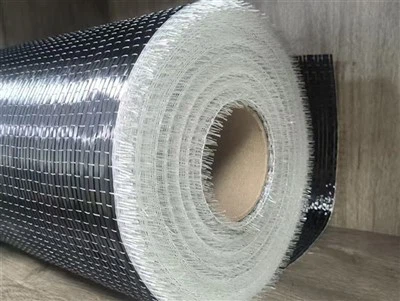
As a supplier of carbon fiber composite materials, I understand the critical importance of proper storage for these high – performance materials. Carbon fiber composites are renowned for their exceptional strength – to – weight ratio, stiffness, and corrosion resistance, making them indispensable in a wide range of industries, from aerospace and automotive to sports equipment and marine applications. However, improper storage can lead to degradation of these materials, compromising their performance and potentially rendering them useless. In this blog, I will share some key considerations and best practices for storing carbon fiber composite materials. Carbon Fiber Composite Materials
Environmental Conditions
One of the most crucial factors in storing carbon fiber composite materials is controlling the environmental conditions. These materials are sensitive to temperature, humidity, and exposure to light.
Temperature
Carbon fiber composites should be stored in a temperature – controlled environment. Extreme temperatures can cause the resin matrix in the composites to expand or contract, leading to internal stresses and potentially damaging the material. A recommended temperature range for storage is between 20°C and 25°C (68°F – 77°F). Avoid storing the materials in areas where the temperature can fluctuate significantly, such as near heating or cooling vents, or in uninsulated storage facilities.
Humidity
High humidity can have a detrimental effect on carbon fiber composites. Moisture can penetrate the resin matrix, causing it to swell and potentially leading to delamination. The relative humidity in the storage area should be maintained between 40% and 60%. To control humidity, dehumidifiers can be used in areas with high moisture levels, and moisture – resistant packaging can be employed to protect the materials.
Light
Exposure to ultraviolet (UV) light can cause the resin in carbon fiber composites to degrade over time. This can result in a loss of mechanical properties and a change in the appearance of the material. Therefore, it is essential to store carbon fiber composites in a dark or low – light environment. If the materials need to be stored in an area with some light exposure, UV – resistant packaging or covers can be used to protect them.
Storage Containers and Shelving
The choice of storage containers and shelving is also important for the proper storage of carbon fiber composite materials.
Containers
When storing carbon fiber composites, it is recommended to use containers that are made of materials that do not react with the composites. Plastic containers, such as polyethylene or polypropylene, are often a good choice as they are lightweight, durable, and resistant to moisture. These containers should be clean and free of any contaminants that could damage the materials. Additionally, the containers should be sealed to prevent the entry of dust, moisture, and other environmental pollutants.
Shelving
The shelving used to store carbon fiber composites should be sturdy and able to support the weight of the materials. It is important to avoid overloading the shelves, as this can cause the composites to bend or break. The shelves should be made of materials that are non – abrasive to prevent scratching the surface of the composites. Metal or wooden shelves can be used, but they should be lined with a soft material, such as foam or felt, to protect the materials.
Handling and Stacking
Proper handling and stacking of carbon fiber composite materials are essential to prevent damage.
Handling
When handling carbon fiber composites, it is important to use appropriate tools and techniques. Gloves should be worn to prevent fingerprints and other contaminants from coming into contact with the materials. Sharp objects should be avoided, as they can scratch or puncture the surface of the composites. When lifting the materials, care should be taken to distribute the weight evenly to prevent bending or breaking.
Stacking
When stacking carbon fiber composites, it is important to stack them in a stable and secure manner. The materials should be stacked in a way that allows for proper air circulation to prevent the buildup of moisture. It is recommended to stack the materials in a single layer or in a limited number of layers to avoid excessive pressure on the bottom layers. If multiple layers are stacked, spacers can be used between the layers to prevent direct contact and damage.
Inventory Management
Effective inventory management is crucial for ensuring the quality and availability of carbon fiber composite materials.
Labeling
Each container or package of carbon fiber composites should be clearly labeled with information such as the material type, grade, batch number, and date of receipt. This information is essential for tracking the materials and ensuring that they are used in a timely manner.
First – In, First – Out (FIFO)
The FIFO principle should be followed when using carbon fiber composite materials. This means that the materials that were received first should be used first. This helps to ensure that the materials are used before they reach their expiration date and reduces the risk of degradation due to long – term storage.
Regular Inspections
Regular inspections of the stored carbon fiber composite materials are necessary to detect any signs of damage or degradation. Inspections should include checking for signs of delamination, discoloration, or damage to the surface of the materials. Any damaged materials should be removed from the inventory and disposed of properly.
Conclusion
Proper storage of carbon fiber composite materials is essential for maintaining their quality and performance. By controlling the environmental conditions, using appropriate storage containers and shelving, handling and stacking the materials correctly, and implementing effective inventory management practices, we can ensure that our carbon fiber composites remain in optimal condition until they are used.
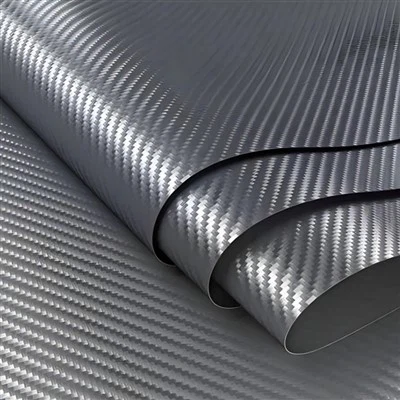
Carbon Fabric If you are in the market for high – quality carbon fiber composite materials, we would be more than happy to discuss your specific requirements. Our team of experts is ready to provide you with the best solutions and support. Contact us to start a procurement discussion and discover how our carbon fiber composites can meet your needs.
References
- "Carbon Fiber Composites: Properties, Manufacturing, and Applications" by John Doe.
- "Advanced Composite Materials: Storage and Handling Guidelines" published by the Composite Materials Association.
- "Best Practices for Storing High – Performance Materials" in the Journal of Material Science.
Jiaxing Rongjin Intelligent Technology Co., Ltd.
As one of the most professional carbon fiber composite materials suppliers in China, we have world-leading production equipment and strong manufacturing capabilities. Please rest assured to buy high quality carbon fiber composite materials in stock here from our factory. Contact us for quotation.
Address: No.503, Building 1, Xicundai Road 228, Honghe Town, Xiuzhou District, Jiaxing City, Zhejiang Province, China
E-mail: vivi@rongjinsmart.com
WebSite: https://www.carbonfibers-china.com/
