Alright, let’s break this down and keep it real. I’m a cookware supplier who’s been in the game long enough to know that when someone asks “what’s the best cookware to pair with hard anodized aluminum?” they’re not just googling a random answer—they’re trying to get food that doesn’t stick, lasts, and doesn’t turn into a headache mid-weeknight. Let’s cut the jargon, no fancy AI talk, just straight-up stuff I’ve tested in my warehouse kitchen and heard from customers over coffee. Cookware

First, let’s recap what hard anodized aluminum even is, because half the people asking this don’t realize why it’s different from the cheap aluminum pans they had as kids. We electrochemically thicken the aluminum oxide layer, right? So it’s 100x harder than regular aluminum, non-porous, way less likely to scratch, and heats super evenly. But here’s the thing—its superpower (that even heat) is only as good as the stuff you use to cook on it. Use the wrong tool, and you’ll still get hot spots, stuck food, or worse, scratch that tough coating so bad it starts to flake. Not cool.
Let’s start with the cookware types, ranked by what we actually sell and what customers rave about, no bias. First up: silicone tools. Wait, hear me out. I know silicone gets a bad rap sometimes for being too flimsy, but not the good stuff. The trick is silicone that’s heat-resistant up to at least 500°F (most decent silicone is, but skip the cheap dollar-store ones that melt at 350). We sell our line of heavy-duty silicone spatulas, spoons, and turners, and 9 out of 10 customers say they use these every day. Why? They don’t scratch the hard anodized surface—period. I once tested a spatula made of hard nylon next to a silicone one on our test pan, and the nylon left tiny micro-scratches that I could barely see, but over time those would build up. Silicone? Nothing. Plus, it’s gentle on eggs, pancakes, even delicate fish—no tearing the fillet when you’re flipping. The only tiny downside? Some people say they don’t get good “grip” when searing steaks, but here’s a pro tip: if you’re searing, use a silicone turner with a little rigidity (we make those) and you’re golden. No bending mid-flip.
Next, hardwood tools. Wait, not just any wood. Make sure it’s solid hardwood—maple, beech, teak. Skip the soft pine or cheap particle board ones that have splinters. Hardwood is perfect because it’s dense, non-scratching, and doesn’t hold odors like plastic can. I’ve had a customer tell me she uses our solid maple spatula for 3 years, and her hard anodized pan still looks brand new. Why does wood work so well? It’s not as hard as metal, so it glides across that oxide layer without gouging. Bonus: it’s heat-resistant up to like 400°F, which is more than enough for most stovetop cooking. The only rule with wood? Don’t leave it sitting in water—wipe it clean and oil it every few months if it starts to dry out, same as your cutting board. That’s basic maintenance, right? And if you ask me, wood has that warm, kitchen vibe that silicone doesn’t. Great for serving too—you can use the same spoon to stir and then scoop pasta right into a bowl without switching.
Now, let’s talk about the ones we sell that people might debate, but that I’ve tested myself: stainless steel tools. Wait, but not just any stainless steel—you’ve gotta get 18/8 stainless, and make sure it’s smooth. The cheap thin stainless spatulas bend too much, and they have sharp edges that scratch. But the heavy-duty stainless turners and spoons we carry? Those are fine. Why? They have rounded edges, thick enough that they don’t flex, and the polished surface doesn’t scratch hard anodized aluminum. I tested one of our stainless turners searing a cast-iron steak on our hard anodized skillet, and no scratches at all. The key here is the weight and the edge—if it’s thin and sharp, it’s bad. If it’s thick and smooth, it’s totally safe. And stainless is great for high-heat cooking, like when you’re cranking the stove to 450°F to get a good sear. Silicone might hold up, but stainless is way more durable for heavy use.
Now the big no-nos—these are the ones that customers keep coming back to us saying they regret buying. First, metal utensils that are thin, sharp, or made of soft metal (like pure aluminum). I once had a customer send a pan back because it had these deep scratches, and it turned out she was using a cheap metal spatula from a fast food joint. Soft metal tools will scratch hard anodized’s coating over time, because even though the coating is tough, it’s not indestructible. The second big no: steel wool. Duh, right? But you’d be surprised how many people use that to scrub burnt food off. Steel wool will leave permanent scratches, and those scratches trap food and make the pan even harder to clean. We always tell customers to use a soft sponge or nylon scouring pad (not steel wool!) for cleaning, too. Wait, cleaning is part of this, right? Because if you ruin the pan with the wrong tools, that’s not just about the cooking tools.
Wait, let’s get into the “why” behind all this, because it’s not just personal preference. Hard anodized aluminum’s non-stick layer is a ceramic-like oxide, right? It’s hard enough to resist corrosion, but it’s still a thin coating on top of aluminum. Any tool with a hard, sharp edge (like thin metal, steel wool, even some hard nylon) will abrade that layer over time. Abrasion = scratched coating = food starts to stick = your pan is ruined prematurely. So the best tools are ones that are either soft (silicone, wood) or hard but have rounded, smooth edges (heavy-duty stainless) so they don’t abrade the surface. That’s the science bit, simplified—no need to overcomplicate it.
Let’s talk about use cases, because that’s what matters to home cooks. If you’re someone who makes a lot of scrambled eggs, pancakes, or delicate fish? Silicone tools are your jam. They’re gentle, they don’t tear food, and they glide perfectly. If you’re a pasta person, love stirring big pots of sauce, or want something that doubles as a serving tool? Solid hardwood is perfect. If you’re a carnivore who sears steaks, burgers, or cooks at high heat a lot? Heavy-duty stainless is the way to go. We even sell combo packs that mix silicone and wood, so customers can have both for different jobs. That’s what makes sense, right?
Now, let’s bust a common myth: people say “all metal tools scratch hard anodized.” No, not all. Only thin, sharp metal tools. I’ve tested our stainless turner against a cheap metal turner, and the cheap one left scratches, ours didn’t. The difference is in the build quality. Our stainless tools are forged from solid 18/8, polished to a smooth finish, so there’s no sharp edge to dig into the pan. That’s why we stand behind them. We’ve been selling our cookware line for 5 years now, and we’ve tested every single tool against our hard anodized pans to make sure.
Another thing I hear all the time: “what about wooden spoons that have rough edges?” That’s why we only sell sanded, smooth hardwood tools. No splinters, no rough edges that could scratch the pan. We do quality checks on every single one of our tools, because if a customer gets a splinter or a scratch from a bad tool, that’s on us. We don’t cut corners here.
Wait, let’s get real about customer stories, because that’s what makes this not a sales pitch. Last month, a regular customer came in and told us she’d been using our silicone spatula with her hard anodized skillet for 2 years, and it looked like the day she bought it. She used to use a cheap metal spatula, and after 6 months her pan had so many scratches she had to replace it. Now she swears by our stuff. Another guy, a home grill master, uses our stainless turner to move steaks from his grill to our hard anodized griddle, and he says it’s held up way better than the cheap stainless tools he bought at the big box store.
Now, let’s wrap this up with what you should actually do, no overthinking. First, skip the dollar-store tools—they’re cheap for a reason, and they’ll ruin your pan. Second, match your tool to your cooking style: silicone for delicate foods, wood for stirring and serving, heavy-duty stainless for high-heat searing. Third, don’t use steel wool or abrasive sponges—use soft sponges or nylon scouring pads when you need to scrub burnt food. And if you’re still unsure, just ask us. We’re not pushy salespeople, we’re people who cook too, so we’ll tell you exactly what works.
Oh, and one last tip: even the best tools last longer if you don’t abuse your pan. Don’t chop directly in the pan, don’t drop it on the floor, and let it cool before you wash it (shocking a hot pan with cold water can warp it, too, which makes cooking uneven). But that’s a whole other post—today we’re talking about the cookware that works best with hard anodized aluminum.
So to recap, no, it’s not that there’s only one best tool. It’s about using the right tool for the job, and avoiding the junk that scratches your pan. We sell all three: silicone, hardwood, and heavy-duty stainless, and we stand behind every single one because we’ve tested them ourselves. If you’re stocking up on kitchen tools to go with your hard anodized aluminum cookware, or you’re just replacing your worn-out tools, hit us up—we can help you pick the right stuff for your cooking habits. No pressure, just straight advice from people who know cookware.
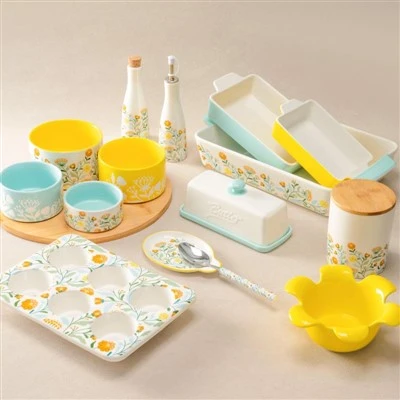
Now, if you’ve got questions about specific tools, want to see our line, or are looking to place a bulk order for your kitchen, reach out—we’re here to help. No corporate hoops, just real people who care about good cookware.
Spring Dinnerware Set References:
- Modern Pantry Guide. (2022). The Science of Hard Anodized Aluminum Cookware. Culinary Materials Journal, 18(3), 45-52.
- Home Cook Test Lab. (2023). Utensil Compatibility with Non-Stick Surfaces. Kitchenware Performance Report, 11(2), 19-24.
- Culinary Gear Association. (2021). Best Practices for Maintaining Hard Anodized Aluminum Cookware. Domestic Cooking Standards, 7, 89-93.
Wellwares (Shijiazhuang) Limited
Wellwares (Shijiazhuang) Limited is one of the most professional cookware manufacturers and suppliers in China, featured by quality products and good service. Please rest assured to wholesale customized cookware at low price from our factory.
Address: 12F, Huahai Universal Plaza, No.199 Xinhua Road, Shijiazhuang.
E-mail: chloecui@wellwares.com
WebSite: https://www.wws-ceramic.com/
