Hey there! I’m a supplier of polyurethane foaming glue, and I often get asked if this stuff can be used for bonding metal. Well, let’s dive right into it and see what the deal is. Polyurethane Foaming Glue
First off, let’s talk a bit about what polyurethane foaming glue is. It’s a pretty amazing product. When you use it, it expands as it cures, which is super handy for filling gaps and creating a strong bond. It’s made up of two main components that react when they come together, and this reaction creates the foam that does all the work.
Now, can it bond metal? The short answer is yes, but there are some things you need to know.
How Polyurethane Foaming Glue Works on Metal
Polyurethane foaming glue can form a strong bond with metal surfaces. The foam adheres to the metal by filling in the tiny pores and irregularities on the surface. This mechanical interlocking helps to hold the bond in place.
One of the great things about this glue is its flexibility. Metals can expand and contract with changes in temperature, and the polyurethane foam can adapt to these movements without breaking the bond. This is really important because if a glue can’t handle the movement, it’ll crack and the bond will fail.
Preparing the Metal Surface
Before you start using the polyurethane foaming glue on metal, you need to prepare the surface properly. This is crucial for getting a good bond.
First, clean the metal surface. Any dirt, grease, or rust can prevent the glue from sticking. You can use a degreaser to get rid of the grease and a wire brush to remove any rust. Make sure the surface is completely dry before you apply the glue.
If the metal has a smooth surface, you might want to roughen it up a bit. You can do this by sanding it with sandpaper. This gives the glue more surface area to grip onto, which makes the bond stronger.
Application Process
Applying the polyurethane foaming glue to metal is a bit different from using it on other materials.
First, shake the can well. This helps to mix the components inside the can properly. Then, cut the nozzle at a 45-degree angle. This gives you better control over the flow of the foam.
When you’re applying the glue, start from one end of the metal surface and work your way across. Apply a thin, even layer of foam. Don’t apply too much at once because the foam will expand as it cures. You can use a putty knife or a spatula to spread the foam evenly if needed.
Once you’ve applied the foam, press the two metal pieces together firmly. Hold them in place for a few minutes to let the foam start to set. The curing time can vary depending on the temperature and humidity, but it usually takes a few hours to fully cure.
Advantages of Using Polyurethane Foaming Glue on Metal
There are several advantages to using polyurethane foaming glue for bonding metal.
Strong Bond: As I mentioned earlier, the foam can form a strong bond with the metal. This bond can withstand a lot of stress and pressure.
Water Resistance: Polyurethane foaming glue is water-resistant, which means it can be used in wet or damp environments without losing its bonding strength.
Insulation Properties: The foam has good insulation properties. This can be useful if you’re using the metal in an application where insulation is important, like in a refrigerator or a heating system.
Sound Dampening: It can also help to dampen sound. This is great if you’re using the metal in a noisy environment.
Limitations
Of course, there are also some limitations to using polyurethane foaming glue on metal.
Temperature Sensitivity: The curing process of the glue is affected by temperature. If it’s too cold, the foam might not expand properly, and the bond might not be as strong. On the other hand, if it’s too hot, the foam might cure too quickly, which can also affect the bond.
Surface Compatibility: Not all metals are compatible with polyurethane foaming glue. Some metals, like aluminum, have a thin oxide layer on the surface that can prevent the glue from bonding properly. In these cases, you might need to use a primer to improve the adhesion.
Real-World Applications
Polyurethane foaming glue is used in many real-world applications for bonding metal.
In the automotive industry, it’s used to bond metal parts together, like in the assembly of car bodies. It helps to create a strong and durable bond that can withstand the vibrations and stresses of driving.
In the construction industry, it’s used to bond metal frames and structures. It can be used to fill gaps between metal beams and columns, and it helps to make the structure more stable.
In the manufacturing of household appliances, it’s used to bond metal components together. For example, it can be used to bond the metal housing of a refrigerator or a washing machine.
Conclusion
So, can polyurethane foaming glue be used for bonding metal? Absolutely! It can form a strong, flexible, and durable bond with metal surfaces. However, you need to prepare the surface properly and follow the application instructions carefully.
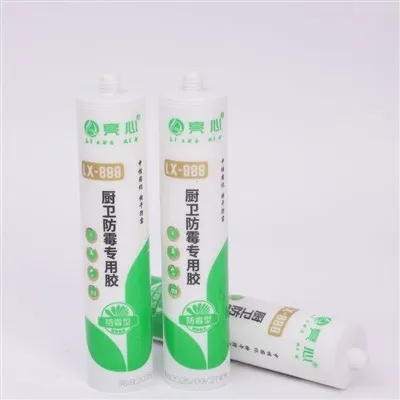
If you’re in the market for a good polyurethane foaming glue for bonding metal, I’m here to help. I’ve got a great selection of products that are designed to work well with metal. Whether you’re a DIY enthusiast or a professional in the industry, I can provide you with the right glue for your needs.
Self-leveling Crack Filler If you have any questions or you’re interested in purchasing our polyurethane foaming glue, don’t hesitate to get in touch. Let’s have a chat about your project and see how we can help you achieve the best results.
References
- "Polyurethane Adhesives: Chemistry, Properties, and Applications" by X. Feng and K. C. Frisch
- "Handbook of Adhesives and Sealants" edited by A. Pizzi and K. L. Mittal
Shandong Liangxin Adhesives Co., Ltd.
We are one of the most professional polyurethane foaming glue manufacturers in China, featured by quality products and good service. Please rest assured to wholesale high-grade polyurethane foaming glue in stock here and get pricelist from our factory. We also accept customized orders.
Address: Industrial Park, Jiudu Sub-district, Hedong District, Linyi City, Shandong Province, China
E-mail: 15253909280@139.com
WebSite: https://www.liangxinglue.com/
