Can flat twisted cables be used in automotive applications?
In the dynamic landscape of automotive technology, the demand for reliable and efficient electrical components is ever – increasing. As a supplier of flat twisted cables, I am often asked whether these cables can be used in automotive applications. In this blog, we will explore the characteristics of flat twisted cables, the requirements of automotive applications, and evaluate the feasibility of using flat twisted cables in the automotive industry. Flat Twisted Cable
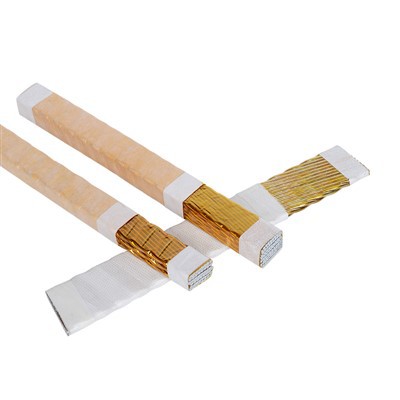
Characteristics of Flat Twisted Cables
Flat twisted cables are a unique type of cable design that combines the advantages of flat and twisted structures. The flat shape provides a large surface area, which is beneficial for heat dissipation. This is particularly important in applications where power transmission generates heat, as efficient heat dissipation can prevent overheating and extend the lifespan of the cable.
The twisting of the conductors in the cable serves multiple purposes. Firstly, it reduces electromagnetic interference (EMI) and radio – frequency interference (RFI). In modern electronic systems, EMI and RFI can cause malfunctions and degrade the performance of sensitive electronic components. By twisting the conductors, the magnetic fields generated by the currents in the conductors cancel each other out, minimizing the interference.
Secondly, twisting the conductors improves the mechanical stability of the cable. It helps to prevent the conductors from separating or moving relative to each other, which is crucial for maintaining a consistent electrical connection over time. Additionally, flat twisted cables are often more flexible than traditional round cables, making them easier to install in tight spaces and around corners.
Requirements of Automotive Applications
The automotive industry has extremely high requirements for electrical components due to the harsh operating environment and the need for reliable performance. Here are some of the key requirements:
Reliability: Automotive systems need to function reliably under various conditions, including extreme temperatures, vibrations, and humidity. Electrical failures can lead to safety hazards, such as malfunctioning airbags, brakes, or engine control systems. Therefore, cables used in automotive applications must have a high degree of reliability and durability.
Electrical Performance: With the increasing number of electronic devices in modern vehicles, such as infotainment systems, advanced driver – assistance systems (ADAS), and electric powertrains, cables need to provide stable and high – quality electrical performance. This includes low resistance, low capacitance, and high signal integrity to ensure accurate data transmission and power delivery.
EMI/RFI Resistance: As mentioned earlier, modern vehicles are filled with a large number of electronic components that generate and are sensitive to electromagnetic and radio – frequency interference. Cables need to be designed to minimize interference to prevent malfunctions and ensure the proper operation of all systems.
Space and Weight Constraints: Automakers are constantly looking for ways to reduce the weight and size of vehicles to improve fuel efficiency and performance. Cables need to be compact and lightweight while still meeting the electrical and mechanical requirements.
Feasibility of Using Flat Twisted Cables in Automotive Applications
Based on the characteristics of flat twisted cables and the requirements of automotive applications, there are several aspects where flat twisted cables can be a suitable choice:
EMI/RFI Resistance: The inherent EMI/RFI reduction property of flat twisted cables makes them well – suited for automotive applications. In a vehicle, where there are numerous electronic devices operating in close proximity, minimizing interference is crucial for the proper functioning of the entire electrical system. For example, in the ADAS, which relies on accurate sensor data and signal transmission, the use of flat twisted cables can help to ensure the reliability of the system by reducing the impact of interference.
Space and Weight: The flat shape of the cables allows for more efficient use of space, especially in areas where installation space is limited, such as behind dashboards or in door panels. Additionally, compared to some traditional round cables, flat twisted cables can be lighter, which is beneficial for reducing the overall weight of the vehicle and improving fuel efficiency.
Flexibility: The flexibility of flat twisted cables makes them easier to route around various components in the vehicle. This can simplify the installation process and reduce the risk of cable damage during installation. For example, in a vehicle’s wiring harness, which needs to be routed through complex paths, the flexibility of flat twisted cables can be a significant advantage.
However, there are also some challenges that need to be addressed when considering the use of flat twisted cables in automotive applications:
Mechanical Stress Resistance: The automotive environment is subject to constant vibrations and mechanical shocks. While the twisting of the conductors in flat twisted cables provides some mechanical stability, additional measures may need to be taken to ensure that the cables can withstand long – term mechanical stress. This could include using stronger insulation materials or adding protective sheaths.
Temperature and Chemical Resistance: Vehicles operate in a wide range of temperatures, from extremely cold winter conditions to hot summer days. The cables need to have good temperature resistance to maintain their electrical and mechanical properties. Additionally, they may be exposed to various chemicals, such as fuels, lubricants, and cleaning agents. Flat twisted cables need to be designed to resist the corrosive effects of these chemicals.
Case Studies and Examples
In recent years, there have been some successful applications of flat twisted cables in the automotive industry. For example, in electric vehicles (EVs), where high – power electrical systems are used, flat twisted cables have been used to connect the battery packs to the electric motors. The flat shape of the cables allows for efficient heat dissipation, which is crucial for the high – power operation of the EVs.
In addition, some automotive manufacturers have started to use flat twisted cables in their infotainment systems. The EMI/RFI resistance of the cables ensures clear and reliable signal transmission, providing a better user experience for the passengers.
Future Outlook
As the automotive industry continues to evolve, especially with the development of autonomous vehicles and connected cars, the demand for high – performance electrical components will only increase. Flat twisted cables, with their unique characteristics, have the potential to play an important role in meeting these demands.
In the future, we can expect to see further improvements in the design and manufacturing of flat twisted cables for automotive applications. This may include the development of new materials with better temperature and chemical resistance, as well as more advanced cable structures to enhance mechanical stress resistance.
Conclusion
In conclusion, flat twisted cables have many advantages that make them a viable option for automotive applications. Their EMI/RFI resistance, space – saving design, and flexibility are well – suited to the requirements of modern vehicles. However, challenges such as mechanical stress resistance and temperature/chemical resistance need to be addressed through continuous research and development.
As a supplier of flat twisted cables, we are committed to providing high – quality products that meet the strict standards of the automotive industry. If you are an automotive manufacturer, supplier, or involved in any automotive – related projects, and you are interested in exploring the use of flat twisted cables, we would be more than happy to discuss your specific needs and provide customized solutions. Please feel free to contact us for further information and to start a commercial discussion.
Continuously Transposed Conductors References
- "Automotive Electrical Systems Handbook", edited by leading automotive engineers, published in a well – known automotive technology series.
- Research papers on cable design and automotive electronics from international conferences on automotive engineering.
Tianjin Jingwei Power Technology Co., Ltd.
As one of the most professional flat twisted cable manufacturers and suppliers in China, we’re featured by quality products and good service. Please rest assured to buy durable flat twisted cable made in China here from our factory. Contact us for more details.
Address: No.1 Chuangxin Rd. Xiaozhan Industrial Park, Jinnan District, Tianjin, China
E-mail: info@jwdc.cn
WebSite: https://www.jw-dcs.com/
