If you’re reading this, chances are you’ve got a battery tester sitting on your workbench right now—maybe you just finished a big project, or you’re between uses and don’t know where to put it. As a battery tester supplier, I talk to customers every week who make the same mistakes with storage: shoving it in a junk drawer full of random tools, leaving it on a hot garage shelf, or tossing it in a bin with other devices that could scratch the screen. Over the years, I’ve learned that good storage isn’t just about keeping things neat—it’s about protecting the internal parts that make your tester work, and making it last way longer than if you cut corners. Let’s break this down like we’re chatting over a coffee, no fancy jargon or confusing rules. Battery Tester
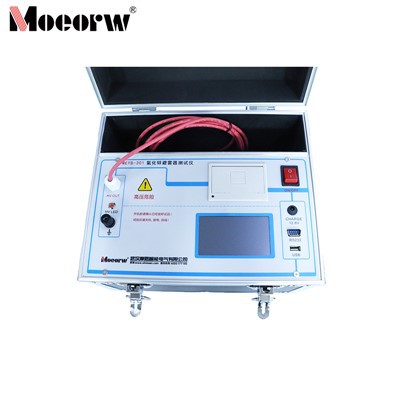
First off, let’s get the basics straight: what makes a battery tester need careful storage? Most of our testers have two key parts that hate being mistreated: the small internal battery (yes, even the ones that plug into an outlet have a tiny backup battery for saved settings) and the tiny circuit board that reads voltage. If you mess up storage, you might end up with a tester that won’t hold a charge, gives wrong readings, or won’t turn on at all. I’ve seen customers send back testers under warranty that weren’t defective—they were just stored wrong, and it’s a super easy fix once you know the do’s and don’ts.
Let’s start with the don’ts because that’s what people usually mess up first. Don’t store your tester in extreme temperatures—hot or cold. I’m talking about leaving it in your car trunk on a 90°F (32°C) summer day, or a garage that dips below freezing in winter. The heat can make the internal battery swell up, and the cold can drain its charge way faster when you’re not using it. A lot of folks think “it’s just a tool, right?” but no—those little lithium-ion or alkaline batteries inside don’t handle extreme temps well. Another big don’t: don’t leave it loose with metal tools or other devices in a drawer. A wrench or a screwdriver can scratch the screen, or even short the circuit if the metal touches the tester’s ports. I’ve had customers send back testers with dead ports because they got banged around in a junk drawer—total avoidable mistake. Also, don’t store it with dead batteries inside the tester itself. Wait, hold on—let me clarify that: if you’re using a tester that runs on disposable batteries, take them out before storing. If it’s a rechargeable tester, don’t leave it fully charged or fully discharged for months on end. That’s a common trick a lot of people don’t know.
Now, the do’s, which are way simpler to follow. Let’s start with location. Pick a cool, dry spot—like a desk drawer that’s out of direct sunlight, a tool cabinet shelf, or even a designated small case we sell (shameless plug, but it’s worth it). For our portable testers, which a lot of you use on jobsites, we recommend using the hard carrying case that comes with it if you have it—It’s made to pad it, block temperature swings, and keep dirt out. If you lost the case, a soft cloth pouch works too, just make sure it’s lint-free so it doesn’t get in the ports.
Next, the battery part—this is make or break. For disposable battery-powered testers: take the old batteries out completely if you’re storing it for more than two weeks. Old batteries leak acid over time, and that acid will eat through the circuit board inside your tester, causing permanent damage. I’ve seen this so many times—customer says “my tester died out of nowhere” and when they pop the old battery out, there’s a sticky green mess inside the compartment. Nasty, and totally preventable.
For rechargeable battery testers (which are most of the ones we sell now): here’s the rule of thumb. If you’re storing it for 1-3 months, charge it to about 50% first. That’s the sweet spot for lithium-ion batteries—they hold their charge best when they’re halfway full. If you store it fully charged, the battery will degrade faster over time. If you store it fully dead, it can go into a deep discharge state, which means it might not turn on when you want to use it again. If you’re storing it for longer than 3 months, charge it to 50% every 3 months and top it off a little if it drops below that. That keeps the internal battery happy and your tester ready to go when you need it.
Another pro tip from our team: clean it before storing. A little dirt, grime, or battery residue on the tester can attract moisture and cause corrosion. Wipe it down with a soft, dry cloth—no harsh chemicals, no water, just a microfiber cloth like you use for your phone. If there’s gunk in the ports, use a small, dry cotton swab to gently clean it out, not a metal pick—you don’t want to bend the tiny pins inside.
Wait, what about if you’re storing it for a long time, like over the winter if you only use your tester for seasonal work (say, car batteries in the fall)? We have a lot of folks who use their testers for seasonal stuff, so I get this. If you’re storing it for 6 months or more, follow the battery rule: charge to 50%, take out any disposable batteries (even if you haven’t used them), and keep it in that cool, dry spot. Every 3 months, check the charge—if it’s dropped below 30%, top it off to 50% again. That’s all it takes.
I should also address a common question we get: can I store my tester with other electronics? It depends. If it’s a soft pouch or hard case, and the other electronics are padded, that’s fine. But if you’re throwing it in a drawer with a laptop charger, a drill battery, and a screwdriver, you run the risk of scratches or shorting. I’d recommend keeping it separate, or if you have to put it with other things, wrap it in that soft cloth first.
Let me give you an example of a customer who did it right. Last year, a guy who runs a small auto repair shop bought 10 of our rechargeable battery testers. He was storing them on a shelf in his back office, plugged in all the time. After 6 months, half of them were giving wrong readings. When he called us, we asked where he was storing them—turns out, he was keeping them plugged in 24/7, which overcharged the internal batteries. We told him to unplug them when not in use, charge to 50% before long storage, and a month later, all 10 were working perfectly. That’s a tiny mistake that messed up his tools, and it was so easy to fix.
Another example: a hobbyist who uses his tester for his solar power system stored it in his garage over the winter. The garage got down to 20°F (-7°C) one night, and the next spring, his tester wouldn’t turn on. The cold drained the internal battery completely, and it went into deep discharge. We had him charge it for 8 hours on our dedicated charger, and it worked, but he said he’d never store it in the unheated garage again. So that temperature thing is real.
Now, let’s talk about things you don’t need to do. Some people go overboard—like putting their tester in a climate-controlled safe, which is unnecessary unless you’re storing it for years. Or using plastic wrap to seal it up—traps moisture inside, which is bad. You don’t need any fancy storage solutions, just the basics: cool, dry, padded, and batteries handled right.

At the end of the day, storing a battery tester is all about being consistent, not complicated. It’s not about spending a ton of money on a fancy case, it’s about not leaving it in the sun, not shoving it with metal tools, and taking care of the little battery inside. As a supplier, we build our testers to be durable, but a little care goes a long way. If you’re looking to restock, replace, or just want to chat more about the best way to store your specific tester, feel free to reach out to our team for details. We’re here to help, not just sell you a product.
SF6 Gas Analyzer References:
- Lithium-Ion Battery Storage Guidelines, Battery University, 2023.
- Consumer Electronics Storage Best Practices, Electronic Industries Alliance, 2022.
- Portable Tool Maintenance Guide, Associated Equipment Distributors, 2021.
Wuhan Moen Intelligent Electric Co., Ltd.
As one of the most professional battery tester manufacturers in China, we’re featured by quality products and good price. Please rest assured to buy high quality battery tester in stock here and get quotation from our factory. Customized orders are welcome.
Address: Building A, No.1, Fenghuangyuan 2nd Road, Donghu New Technology Development Zone, Wuhan, Hubei, China
E-mail: info@hvhipotsystem.com
WebSite: https://www.hvhipotsystem.com/
