In the dynamic world of radio – controlled (RC) cars, the choice of a battery can significantly influence the vehicle’s performance. As a supplier of 100C HV Hardcase Car LiPos, I’ve witnessed firsthand the increasing demand for high – performance batteries. Today, we’re going to delve into how the 100C HV Hardcase Car LiPo stacks up against other LiPo batteries in terms of cost – effectiveness. 100C HV Hardcase Car Lipo
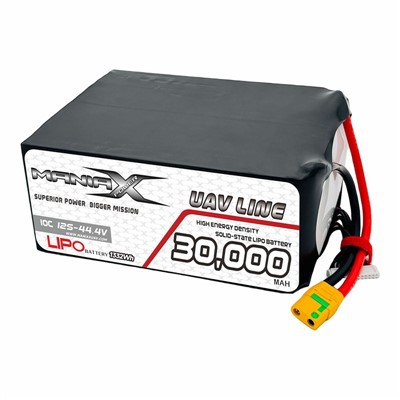
Understanding the Basics of LiPo Batteries
Before we start comparing, let’s briefly understand what LiPo batteries are. Lithium – Polymer (LiPo) batteries have become the go – to power source for RC cars due to their high energy density, lightweight design, and the ability to deliver high currents. They come in various configurations, such as different capacities (mAh), cell counts (S), and discharge rates (C).
The "C" rating indicates the battery’s discharge rate. A higher C rating means the battery can deliver more current, which translates to better acceleration and higher top speeds for RC cars. The "HV" stands for High Voltage, which allows the battery to operate at a higher voltage, enhancing the power output. The hardcase provides additional protection to the battery, reducing the risk of damage during crashes or rough handling.
Cost – effectiveness Criteria
When evaluating the cost – effectiveness of a battery, several factors come into play. We need to consider the upfront cost, the battery’s lifespan, performance capabilities, and maintenance requirements.
Upfront Cost
The initial purchase price is often the first thing that consumers look at. It’s true that 100C HV Hardcase Car LiPos generally have a higher upfront cost compared to some lower – rated LiPo batteries. For example, a standard 50C LiPo battery might cost 20% – 30% less than a comparable 100C HV Hardcase LiPo in terms of capacity and cell count. However, it’s essential to look beyond the sticker price and consider the long – term value.
Lifespan
The lifespan of a battery is measured in charge – discharge cycles. A well – maintained 100C HV Hardcase Car LiPo can typically withstand more charge – discharge cycles compared to lower – quality LiPos. On average, a high – end 100C HV hardcase LiPo can last between 300 and 500 charge – discharge cycles, while a basic 50C LiPo might only last around 150 – 250 cycles.
Over time, you’ll need to replace the lower – rated battery more frequently. When you factor in the cost of multiple replacements, the 100C HV Hardcase Car LiPo can end up being more cost – effective in the long run. Suppose a 50C LiPo costs $50, and you need to replace it three times in the same period that a $70 100C HV Hardcase LiPo lasts. You’d spend $150 on the 50C batteries, while the 100C HV battery would only cost you $70.
Performance Capabilities
Performance is a crucial aspect when it comes to RC cars. The 100C HV Hardcase Car LiPo offers significantly better performance than many other LiPo batteries. Thanks to its high C rating, it can deliver a more consistent and powerful current to the motor. This results in faster acceleration, higher top speeds, and better overall handling on the track.
In races or competitive driving scenarios, the extra performance can make a huge difference. You may need fewer upgrades to your car’s motor or other components if you have a high – performing battery like the 100C HV Hardcase LiPo. This can save you money on additional modifications that would otherwise be needed to achieve the same level of performance with a lower – rated battery.
Maintenance Requirements
Maintenance is another factor that affects cost – effectiveness. The hardcase of the 100C HV LiPo provides physical protection, reducing the risk of physical damage to the battery. This translates to fewer instances where you might need to replace the battery due to a punctured or damaged cell.
Moreover, the high – quality internal components of the 100C HV Hardcase Car LiPo are designed to be more robust and stable. They are less prone to swelling or other issues that can occur in lower – quality LiPo batteries. As a result, you’ll spend less time and money on battery maintenance and troubleshooting.
Real – world Applications and User Experiences
In real – world scenarios, RC enthusiasts who have upgraded to 100C HV Hardcase Car LiPos often report significant improvements in their driving experience. Take the example of Mark, an experienced RC racer. He used to rely on a 50C LiPo battery for his race car. However, he found that his car lacked the acceleration and power needed to compete at a high level.
After switching to a 100C HV Hardcase LiPo, Mark noticed a remarkable difference. His car could now accelerate much faster out of corners, and he was able to reach higher speeds on the straightaways. Not only did his performance on the track improve, but he also found that the battery lasted longer without losing its charge capacity.
From a cost – perspective, Mark initially thought the higher – priced 100C HV battery was an unnecessary expense. But after a few months of use, he realized that he didn’t need to replace the battery as often as he did with the 50C LiPo, making it a cost – effective investment in the long run.
Comparing with Different Types of LiPo Batteries
Let’s compare the 100C HV Hardcase Car LiPo with some other common types of LiPo batteries on the market.
Low – C Rating LiPo Batteries
Low – C rating LiPo batteries, such as those with a C rating of 20 – 30, are generally the cheapest option available. They are suitable for beginners or casual RC users who aren’t too concerned about high – performance. However, their low discharge rate means that they can’t provide the same level of power as a 100C HV Hardcase LiPo.
These low – C batteries also have a shorter lifespan and are more likely to overheat during heavy use. This can lead to a decrease in battery performance over time and may even pose a safety risk. In terms of cost – effectiveness, while they are cheap upfront, the need for frequent replacement and their limited performance make them a less appealing option in the long term.
Softcase LiPo Batteries
Softcase LiPo batteries are lighter and more flexible than hardcase ones. They are often used in applications where weight is a critical factor. However, they are more vulnerable to physical damage. A small puncture or impact can cause the battery to fail, leading to a safety hazard and the need for replacement.
The 100C HV Hardcase LiPo offers a more robust solution. The hardcase protects the battery from external forces, ensuring a longer lifespan and better safety. Although the softcase batteries may be slightly cheaper upfront, the potential cost of replacing them due to damage makes the 100C HV Hardcase LiPo more cost – effective.
Conclusion
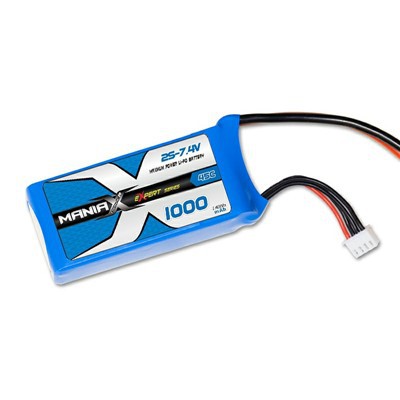
In conclusion, when considering cost – effectiveness, the 100C HV Hardcase Car LiPo stands out as an excellent choice. While it may have a higher upfront cost compared to some other LiPo batteries, its long lifespan, superior performance, and lower maintenance requirements make it a valuable investment in the long run.
RC Racing Car Battery If you’re an RC car enthusiast looking for a top – performing and cost – effective battery solution, I encourage you to consider our 100C HV Hardcase Car LiPo. It’s time to take your RC driving experience to the next level. Contact us to start a discussion about your specific needs and how our product can meet them. We’re here to provide you with the best battery solution for your RC car.
References
- "Introduction to Lithium – Polymer Batteries" by RC Battery Experts.
- "Performance Analysis of Different C Rating LiPo Batteries in RC Cars" by Model RC Magazine.
- User testimonials and real – world experiences from RC forums and enthusiast groups.
ManiaX Power Technology Co., Ltd.
ManiaX Power Technology Co., Ltd. is one of the most reliable 100c hv hardcase car lipo manufacturers and suppliers in China, also supports customized service. Please feel free to wholesale bulk durable 100c hv hardcase car lipo made in China here from our factory.
Address: Room 1508, 15/F, Two Grand tower, 625 Nathan Road, Kowloon, HongKong. P.R. China
E-mail: info@maniax-power.com
WebSite: https://www.maniaxpower.com/
