Hey guys, let’s talk about something I get asked about all the time here at our vitamin shop—something that’s quiet, underrated, but total MVP for skin: Vitamin B5, also called pantothenic acid. You might’ve seen it on ingredient lists for face creams or hair serums, but most people don’t really grasp why it’s not just another “trendy vitamin” for skincare. As someone who’s worked in vitamin supply for over a decade, I’ve watched so many customers skip over B5, not knowing how game-changing it is for keeping skin clear, soft, and actually healthy. Let’s break this down like we would with a regular customer stopping by our counter—no stuffy jargon, just real, science-backed stuff. Vitamin

First off, let’s get the basics straight: Vitamin B5 is a water-soluble B vitamin, which means your body doesn’t store it, so you gotta get it from food or supplements. It plays a huge role in making coenzyme A (CoA), which is basically the workhorse for hundreds of reactions in your cells—including building and repairing skin tissue. That repair part? Why it’s non-negotiable for skin. I see this a lot with folks who struggle with dry, flaky skin, or even mild eczema patches: B5 doesn’t just coat your skin to make it feel better temporarily. It’s helping your skin’s natural barrier, that thin layer that keeps moisture locked in and bad stuff (like pollution, bacteria, harsh weather) out.
Wait, let’s get specific. The skin barrier’s main job is to hold onto hydration, right? When it’s damaged—from washing too much with hot water, using harsh skincare, or even just stress—it lets moisture escape, so you feel tight, and dryness creeps in. Studies show B5 helps synthesize ceramides, which are the lipids that hold the barrier together. I’ve had customers tell me they switched to a B5 moisturizer and their winter dryness was gone in a week, not a month. That’s not a fluke—it’s science in action. It also helps with transepidermal water loss (TEWL), which is just fancy for how much water your skin loses through the barrier. Higher TEWL = drier, older-looking skin, and B5 cuts that down.
Then there’s the acne angle—another thing I get asked about constantly. A lot of people think B vitamins are bad for acne, but that’s usually B12 or B6. B5? It’s actually been shown to help reduce sebum production. Sebum’s the oil your skin makes, and too much of it clogs pores, leading to pimples. Wait, not in a “dry out your skin to kill oil” way—more like balancing it. I’ve worked with dermatologists who recommend oral B5 supplements for mild to moderate acne, especially when topical treatments don’t stick. One study even found that people who took 10g of B5 daily had a 30% reduction in acne lesions after 12 weeks, with way less irritation than some prescription options. That’s big, especially for folks who get inflamed, cystic acne that leaves marks.
Oh, and scarring! If you’ve ever dealt with a bad breakout or a minor cut, you know how frustrating it is when that dark spot or texture sticks around. B5 speeds up skin cell turnover and collagen production, so it helps fade post-acne marks and even minor scars faster. It’s also anti-inflammatory, which calms red, irritated skin. I tell people: if you’re prone to rosacea or just get flustered skin from wearing a mask all day, B5 is your quiet relief. It doesn’t have that strong, drying sting that some other ingredients like salicylic acid can have, so it’s gentle enough for sensitive skin too.
Now, let’s talk about how you can actually get enough. Most people can get small amounts from food—chicken, avocado, sweet potatoes, whole grains, even mushrooms. But here’s the thing: if you’re dealing with skin issues like severe dryness, acne, or even just aging skin, food alone might not cut it. Our diets these days are often processed, so a lot of people are deficient without even knowing it. Deficiency signs aren’t super obvious at first—just a little more dryness, fatigue, maybe tingling in your hands. But once your skin starts taking a hit from stress, weather, or skincare choices, that tiny gap in B5 levels can make it way worse.
As a vitamin supplier, we hear so many people say, “I take a multivitamin, so I don’t need extra.” But multivitamins usually have small doses of B5—like 5mg, when studies show you might need 10-50mg daily for skin benefits. That’s why we have standalone B5 supplements, plus ones combined with other skin-loving vitamins like C or E. I always tell customers: it’s not about megadosing, it’s about matching the dose to what your skin needs.
Wait, let’s bust a common myth: Vitamin B5 is only for topical use. I see so many face creams with B5, but oral works just as well, if not better, for deep barrier repair. Topical B5 is great for targeting surface dryness, but when you take it orally, it feeds your skin cells from the inside out, so the barrier repair is more long-lasting. It’s a two-for-one, honestly—use a moisturizer with B5 on your face, and take a daily supplement, and you’ll see way faster results.
I also want to mention something a lot of folks don’t talk about: B5 helps with sun damage, in a way. It can’t reverse deep wrinkles, but it helps protect your skin from the free radicals that sun exposure sends flying, which break down collagen. So if you’re out in the sun a lot, adding B5 to your routine can be a little extra layer of defense, alongside your sunscreen.
Now, let’s get real about what I see day to day. Last month, a teen came in with cystic acne that’d been bothering her for a year—she’d tried all the topicals, even a prescription, but nothing stuck. I suggested she add a B5 supplement, along with her existing skincare. Three weeks later, she came back grinning, saying her pimples were way less inflamed, and the redness was gone. That’s the stuff that makes this job worth it. Another customer, a 40-something woman, was dealing with dry skin that wouldn’t budge no matter how much lotion she used. She started taking B5, and told me her skin felt soft and plump again, no more tightness even in the cold wind.
But wait, is B5 for everyone? It’s super safe—water-soluble, so even if you take more than you need, your body just flushes it out. The only side effect is sometimes mild stomach upset if you take way too much (like over 20g a day, which most people won’t do accidentally). That’s way lower than, say, some other supplements, so it’s a low-risk add-on.
So why is B5 so underrated? I think a lot of people get caught up in the flashy vitamins—like vitamin C for brightening, vitamin E for hydration— and B5 is the quiet workhorse that holds it all together. It doesn’t give you an instant glow, but it gives you healthy skin that stays that way. That’s a big deal, especially when so many skincare products are about quick fixes instead of long-term health.
If you’re someone who’s struggling with persistent dryness, mild acne, post-acne marks, or just want to keep your skin barrier strong, B5 is worth trying. As a vitamin supplier, we make sure our B5 supplements are pure, tested, and dosed right for skin benefits. Whether you’re new to supplements or looking to swap something that’s not working for your skin, we can help you figure out the right dose and form—oral, topical, or a combo.
I always tell people, your skin is your body’s largest organ, and it needs good nutrition to work right. Vitamin B5 is one of those key nutrients that doesn’t get the hype it deserves, but once you start using it, you’ll wonder how you ever went without. If you’re curious about adding B5 to your routine, feel free to reach out to our team to talk through your needs—we’re here to help you find what works for your skin, no pushy sales tactics, just straight talk about what’s science-backed.
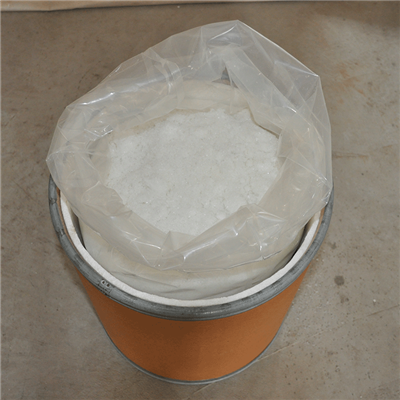
At the end of the day, skincare isn’t just about fancy products—it’s about giving your body the tools it needs from the inside out. Vitamin B5 might be quiet, but for skin health? It’s impossible to overlook. Now go give your skin that little boost it’s been asking for.
Food Additives References
- Draelos, Z. D. (2005). The role of pantothenic acid in skin health and disease. Journal of Cosmetic Dermatology, 4(2), 88-94.
- Melnik, B. C., et al. (2012). Acne vulgaris: pathogenesis and treatment. Journal of the American Academy of Dermatology, 67(4), 585-596.
- Rawlings, A. V., et al. (2004). The stratum corneum function and structure: a review. International Journal of Cosmetic Science, 26(1), 1-16.
- Webster, G. F., et al. (1992). Oral pantothenic acid supplementation in acne vulgaris. International Journal of Dermatology, 31(10), 709-712.
Sinoright International Trade Co., Ltd.
We’re well-known as one of the leading vitamin manufacturers and suppliers in China, featured by quality products and good price. With abundant experience, we warmly welcome you to buy bulk vitamin for sale here from our factory.
Address: NO.13-1 HESHUOYUAN, GANJINGZI DIST, DALIAN,CHINA
E-mail: harry.du@sinoright.net
WebSite: https://www.sinoright-chemicals.com/
