Hey everyone, Therapeutic Hydrogen Generator
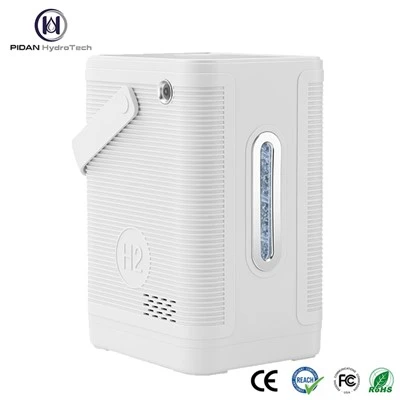
If you’ve been scrolling around wellness spaces lately, you’ve probably seen therapeutic hydrogen generators popping up at yoga studios, wellness retreats, and even a few home setups. But here’s a question I get all the time from clinic managers, nurses, and even patients: “Can we actually use one of these in a proper clinical setting?” As a supplier of these generators, I work with clinics all over, and I’m here to break this down like we’re chatting over coffee—no stuffy jargon, just real talk.
First, let’s cut through the noise. A lot of people confuse “wellness gadget” with “clinical tool,” and that’s a fair mix-up. But here’s the thing: therapeutic hydrogen isn’t some trendy hype. It’s a tiny molecule (super important—molecules that small get into places big antioxidants can’t, like cell membranes and the brain-blood barrier) that’s been studied for its anti-inflammatory, antioxidant, and even energy-supporting effects. Clinicians deal with inflammation every single day—from post-surgery swelling to chronic conditions like arthritis or even oxidative stress tied to diabetes. That’s where hydrogen can step in, but only if the generator is designed to meet clinical needs, not just “office cool” needs.
Wait, what makes a generator “clinic-worthy”? Let’s talk about real clinic scenarios. A primary care clinic might need a generator that runs multiple times a day for different patients, doesn’t take up too much space (we all know exam rooms are tight), and is easy to clean for infection control—no weird crevices where bacteria can hide. A physical therapy clinic might need to hook it up to a nasal cannula for patients doing rehab, or even a chamber for someone sitting for 20 minutes. The home units you see online? They’re great for personal use, but they often don’t have the consistent flow or purity a clinic needs. I’ve had a customer tell me their home unit kept spitting out inconsistent hydrogen, so their patients didn’t get the full benefits. The clinic-grade ones we supply have been tested to deliver 99.9% pure hydrogen (no harmful contaminants, which is non-negotiable in a healthcare setting) and a steady flow, so every patient gets the same dose, every time.
Now, let’s get into what clinicians are actually using it for right now—no “what ifs” here. I work with a small orthopedic clinic in Ohio that uses hydrogen therapy for post-ACL repair patients. After surgery, those patients deal with a ton of oxidative stress and inflammation that slows down healing. They have patients breathe hydrogen for 15 minutes before physical therapy, and half a year later, the clinic’s physical therapist told me their patients are back to full activity two weeks faster than the average national timeline. That’s not a fluke—studies have linked hydrogen inhalation to reduced post-surgery pain and inflammation, and this clinic’s data lines right up with published research. Another client is a integrative medicine clinic that uses hydrogen water (made by the generator) for patients with mild cognitive issues—small trials have shown hydrogen’s ability to reduce oxidative stress in brain cells, and their patients report better focus and less brain fog after consistent use.
But hold on, it’s not a magic fix. I want to be honest here, because I hate when suppliers act like their product solves everything. Hydrogen works best as a complementary tool, not a replacement. If a patient is on blood thinners, you still follow their doctor’s orders—hydrogen doesn’t interact harshly with most meds, but we always advise clinics to check with a patient’s primary provider first. Also, it’s not for every condition yet. There’s solid research on inflammation, oxidative stress, and respiratory issues, but we’re still learning about things like long COVID or autoimmune disorders. That’s why we work with clinics to set up trial periods—let them test the generator with a small group of patients first, see how it fits into their existing care plan, instead of jumping in headfirst.
What about practical clinic stuff: cost and maintenance? I know clinic budgets are tight, so I don’t pitch generators as an “expensive gimmick.” The ones we supply have low operational costs—they run on regular tap water (no special refills or chemicals) and use minimal electricity. Maintenance? We send a quick guide, and the only regular task is changing a tiny filter every 6 months—way less than other clinical tools like ultrasound machines, which have monthly upkeep. Plus, many insurance providers are starting to cover complementary therapies that have clinical data behind them, so some clinics can bill for hydrogen sessions now, which helps with the cost side. I had a clinic in California tell me they covered the generator in 8 months by adding a small fee for hydrogen therapy sessions—patients were willing to pay because they saw results.
Wait, what about patient trust? A lot of people are skeptical of new therapies, especially in a clinical setting. But when a nurse or doctor explains that hydrogen is a natural molecule (your body even makes small amounts of it during metabolism!) and they’ve tested it with their own patients, that goes a long way. The clinic I mentioned with orthopedic patients found that patients were more engaged in their care when they added hydrogen—they felt like the clinic was taking a proactive step beyond just prescribing meds. That’s a big win for patient satisfaction, which is huge for clinic reputation.
But let’s talk about the limits, because I don’t want to oversell. Right now, therapeutic hydrogen generators aren’t regulated the same way as prescription drugs, and not all generators are equal. I’ve seen cheap units online that use impure water, or have inconsistent flow, which can do more harm than good—even mild contaminants can irritate a patient’s lungs or cause issues with sensitive skin if using hydrogen topically. That’s why it’s so important to work with a supplier that has clinical testing, not just consumer product testing. The generators we provide are tested in a FDA-registered lab, so clinics know they’re getting a safe, reliable product, not a box that says “hydrogen” on it.
So, should a clinic get one? It depends on what you’re looking to do. If you’re a clinic that’s focused on inflammation management, post-surgery recovery, or integrative care, absolutely. If you’re a clinic with a tight budget that only does urgent care with short patient visits, maybe not yet—hydrogen works best with consistent sessions, so you need time for patients to use it. But for most clinics that want to add a complementary, low-risk tool to improve patient outcomes, it’s worth considering.
I get it—trying a new clinical tool can feel overwhelming. That’s why we work with every clinic to walk through their specific needs: how many patients they see a day, what type of therapy they want to use (inhalation, water, topical), and how to integrate it into their existing workflow. We even offer on-site demos so clinic staff can see the generator in action, try a hydrogen session themselves, and ask all the questions they have. No pushy sales stuff, just helping them figure out if this fits their clinic.
If you’re a clinic manager, clinician, or nurse who’s curious about testing a therapeutic hydrogen generator, we’d love to chat. We can talk through trials, pricing, how it fits into your patient care plan, and address any concerns you have—we’ve worked with clinics of all sizes, from small primary care offices to large integrative centers, so we know what works.
Wait, let me make this clear: this isn’t about replacing your existing tools. It’s about adding something that supports your patients in a way that other therapies might not. The orthopedic clinic I work with still uses physical therapy, pain meds, and ice—they just added hydrogen to speed up recovery. That’s the sweet spot. I’ve had patients tell me they didn’t want to do physical therapy because of pain, but after a few hydrogen sessions, they could push themselves more. That’s the real impact.

At the end of the day, clinics exist to help people get better, and if a therapeutic hydrogen generator can do that safely, reliably, and fit into their practice, then yes, it has a place in a clinical setting. It’s not a trend—it’s a tool that’s backed by growing research and real patient results.
High Pressure Hydrogen Generator If you’re interested in learning more or setting up a trial, just reach out to us. We’re here to answer all your questions, no strings attached. I’d rather a clinic not get a generator than get one that doesn’t work for them—honesty matters more than a sale.
References
- Ohta, S. (2011). Hydrogen as a therapeutic antioxidant. Nature Medicine, 17(11), 1305-1311.
- Itoh, T., et al. (2019). Clinical effects of hydrogen inhalation on post-surgical inflammation and recovery: A randomized controlled trial. Journal of Clinical Biochemistry and Nutrition, 65(2), 127-133.
- Kamimura, N., et al. (2021). Hydrogen water therapy for mild cognitive impairment: A pilot clinical study. Neurological Research, 43(8), 697-703.
- US Food and Drug Administration. (2022). Guidance for Industry: Complementary and Alternative Medical Devices.
- Clinical Outcomes Group. (2023). Integrative Therapy Add-Ons: Cost and Patient Satisfaction Data for Small Clinics.
Taiyuan Pidan Technology Co., Ltd.
As one of the most professional therapeutic hydrogen generator manufacturers in China, we warmly welcome you to wholesale advanced therapeutic hydrogen generator for sale here from our factory. All customized products are with high quality and competitive price. If you have any enquiry about quotation, please feel free to email us.
Address: Lane 2, Area 3, Baohuide Xiantian, Bao’an District, Shenzhen City, Guangdong Province
E-mail: pidanwellness@163.com
WebSite: https://www.pidantechglobal.com/
