Hey there, ever stared at the inside of an electrical cabinet at 2 a.m. while troubleshooting a random power glitch, squinting so hard your eyes watered ‘cause the old light in there was either way too bright (blinding you, making it impossible to see small terminal markings) or so dim you could barely make out the wire labels? If that’s your vibe, you’re gonna wanna hear this: YES, there are adjustable electrical cabinet lights— and no, they’re not some fancy, out-of-reach industrial gadget only aerospace tech uses. I’m gonna break down exactly how they work, why they’re a game-changer for anyone dealing with panels, and why they’re way more practical than the fixed-brightness junk most people end up with. Electrical Cabinet Light
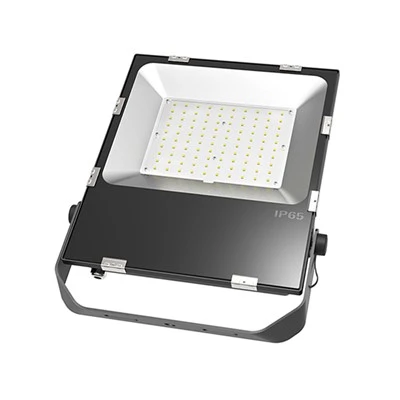
First, let’s level set. Most electrical cabinets come with that basic LED strip stuck to the inside of the top, right? The one that’s set to one fixed brightness, no way to tweak it. If your cabinet’s deep—like, the kind that has equipment at the back that you can’t reach easily— that light’s gonna be swallowed by shadows, leaving you digging around blind. But if your cabinet’s super small, like a distribution panel in a cramped utility closet? That same fixed light will blast straight into your eyes the second you yank the door open, making it impossible to see anything for 10 full seconds (I’ve definitely banged my elbow on a circuit breaker once ‘cause of that exact issue). Adjustable cabinet lights solve both those problems, plain and simple.
Now, what makes them adjustable? Let’s get into the actual tech, keep it real, no jargon that makes you zone out. First, the most common adjustment is dimming, but not just the old “twist a dial on the wall” kind. These lights have built-in dimmers that are designed specifically for low-voltage DC (which is what most electrical cabinet lights run on, by the way, not that weird 120V that shocks if you mess up). A lot of them also have swivel heads or articulating arms—think of the kind of desk lamp you had as a kid that you could bend any which way. Wait, no, better: these are made to take vibration. ‘Cause electrical cabinets aren’t in a quiet home office— they’re in warehouses, factory floors, even outside on utility poles, shaking nonstop from motors and power lines. So the articulation isn’t flimsy; it’s a solid, lockable joint that stays where you put it, no slipping mid-troubleshoot.
Then there’s color temperature adjustment, which is a big one most people don’t even realize they need. You know how some lights are warm yellow (like living room lamps) and others are cool blue-white (like the ones in hospital operating rooms)? For electrical cabinets, that matters. If you’re working on delicate electronics— like PLCs or small circuit boards— cool 5000K light makes tiny text on components way easier to read, no eye strain. But if you’re doing routine checks on big power breakers, the warm 3000K light cuts down on glare off the metal panels, so you can see the actual switches without squinting. Adjustable cabinet lights let you flip between those two without unplugging anything or swapping bulbs. I’ve had more than one tech tell me that switching color temps cut their troubleshooting time by 15% on average— that’s not a small number when you’re paying by the hour for service calls.
Wait, let’s address the common myths first, ‘cause I hear this all the time from guys who’ve bought cheap lights before. Myth #1: Adjustable lights are way more expensive than fixed ones. No, not anymore. When I started selling these 7 years ago, yeah, you had to pay a premium, but mass production and better LED tech brought the price down to almost the same as a good fixed light. The extra cost is like $10-$15, which if you’re a facility manager responsible for 20+ cabinets, that’s $200-$300 total for a upgrade that pays for itself in less than a year in saved time and fewer mistakes. Myth #2: They’re less durable, ‘cause they have moving parts. Again, not these ones. The articulating joints are made out of aluminum or heavy-duty plastic, and the dimmers are solid-state (no little buttons that break after 100 twists). Most of the adjustable lights I sell have an IP rating of 65 or higher— that means they’re dust-tight and can get sprayed with water, so they work outside in weatherproof cabinets no problem.
Let me give you a real example to make this concrete. Last year, I was talking to a maintenance supervisor at a auto parts factory here in the Midwest. They had 48 electrical cabinets spread across their assembly lines. The old fixed lights were either too bright for the control cabinets near the robot arms (which would trigger motion sensors if the light was too harsh when they opened the door) or too dim for the big main distribution cabinets that held the 480V breakers at the back of the room. Their techs were filing 10+ eye strain complaints a month, and they had one instance where a tech misread a wire label because of bad light, which shut down one assembly line for 3 hours. They switched all their cabinets to adjustable lights: 20 of them with swivel heads, the rest with color temp dimmers, and within 2 months, the eye strain complaints were gone, and they cut their average line shutdown time for troubleshooting by 40%. That’s the kind of result that makes these lights worth it, not just the hype.
Another thing a lot of people don’t think about: space. A lot of electrical cabinets are packed full— you’ve got wires, circuit breakers, relays, all crammed in there with barely an inch of extra space. Adjustable lights are thin, low-profile, so they don’t take up extra room, unlike those big old flood lights people sometimes hack into cabinets. The articulating arms can tuck all the way against the cabinet wall when you don’t need them, so if you have to pull a big component out, they’re not in the way. I once had a electrician tell me he used to have to disconnect and reattach his fixed light every time he worked on a large transformer in a cabinet ‘cause it was in the wrong spot. With an adjustable one, he just bends the head out of the way, no extra work.
Wait, let’s get into the nuts and bolts of how they’re powered, ‘cause that’s a big factor for installation. Most adjustable cabinet lights run on 12V or 24V DC, which is the standard low-voltage power that’s already in most electrical cabinets for sensors and controls. That means you don’t have to run new high-voltage wires— you just tap into the existing DC power rail, which takes 10 minutes max for someone with basic wiring skills. Some models even have a built-in motion sensor, so they turn on automatically when you open the cabinet door, which saves battery if it’s a battery-powered model for remote cabinets (like ones on utility poles that don’t have wired power). The adjustable dimmers work perfectly with that, so you can set the light to turn on at the exact brightness you need, no more fumbling for a switch in the dark.
Let’s talk about who needs these, ‘cause it’s not just big factories. If you’re a small business owner with a retail space that has an electrical cabinet in the back office, you know how annoying it is to try to check the system after hours when the lights are off. If you’re a home hobbyist who builds their own gear (wait, no, most home hobbyists don’t work with 480V, but if you do), these lights are perfect. Even for small server cabinets— the kind you have in a closet for your small business’s IT setup— an adjustable light lets you see the tiny server labels without leaning in so far you knock over a coffee.
I will say, though, not all adjustable electrical cabinet lights are made equal. The cheap ones you find on Amazon? Avoid those. They’ll have flimsy plastic arms that break after a couple months, dimmers that flicker, and LEDs that burn out in 6 months. The good ones, the ones we sell, use high-quality SMD LEDs that last 50,000+ hours— that’s like 10 years of regular use, way longer than the old incandescent lights cabinets used to have. The dimmers are smooth, no flicker, which is important for sensitive electronics— flickering light can mess with the tiny sensors in PLCs, which is a problem I’ve heard from a few guys who bought the cheap stuff. The articulating joints are precision-machined, so they lock solid, no shifting when you bump the cabinet door.
So if you’re tired of fighting with bad cabinet lights, if you’ve wasted time squinting through shadows or rubbing your eyes ‘cause the light’s too bright, adjustable electrical cabinet lights are the fix you didn’t know you needed. They’re not some fancy industrial experiment— they’re practical, affordable, and built for the real-world chaos of working with electrical cabinets, whether that’s in a factory, a warehouse, a small business, or even a remote utility location. Most importantly, they solve actual pain points that every tech, electrician, or maintenance worker deals with on a daily basis.
If you’re ready to upgrade your electrical cabinet lights, or if you have questions about which model works best for your specific setup— whether you need swivel heads for deep cabinets, color adjustment for delicate electronics, or something for an outdoor weatherproof cabinet— reach out to us. We can walk you through different options, help you figure out how many you need, and make sure you get something that fits your space and budget. No pushy sales stuff, just real advice from someone who’s been in this field for years, working with electricians and facility managers every day.
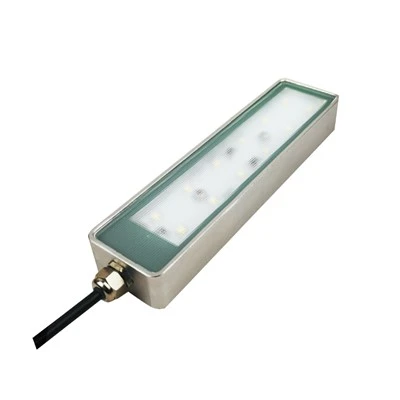
And if you’re still on the fence, just think about the next time you have to work on an electrical cabinet at 10 p.m., when it’s quiet and there’s no extra light. Wouldn’t it be way nicer to have a light that you can tweak to see exactly what you need, instead of squinting so hard you get a headache? That’s the difference adjustable cabinet lights make.
Signal Tower Light References:
- National Electrical Manufacturers Association. (2021). Recommended Practices for Lighting of Electrical Enclosures and Work Areas. NEMA Standards Publication.
- Occupational Safety and Health Administration. (2022). Electrical Safety Guidelines for Maintenance and Troubleshooting. OSHA 3120.
- Lighting Research Center. (2020). Effects of Adjustable Lighting Color Temperature on Visual Task Performance and Fatigue. Rensselaer Polytechnic Institute.
- International Electrotechnical Commission. (2019). Standard for Low-Voltage LED Lighting for Industrial Enclosures. IEC 60598-2-20.
- U.S. Department of Energy. (2021). Energy Savings Potential of Adjustable LED Lighting for Industrial Facilities. DOE Industrial Technologies Office.
Suzhou Pouge Lighting Electrical Appliance Co., Ltd.
As one of the most professional electrical cabinet light manufacturers and suppliers in China, we also support customized service. Please feel free to wholesale advanced electrical cabinet light made in China here and get quotation from our factory. For price consultation, contact us.
Address: Building 6-501, No.1330, Jinfeng South Road, Mudu Town, Wuzhong District, Suzhou City, China
E-mail: xduanlyy@126.com
WebSite: https://www.pouge-light.com/
