In the dynamic landscape of paper production, various additives play pivotal roles in enhancing the quality and performance of the final product. As a prominent supplier of Potassium Acetate, I’ve witnessed firsthand the growing interest in understanding its impact on paper strength. This blog post delves into the effects of Potassium Acetate on paper strength during the paper – making process, exploring the scientific mechanisms, practical implications, and potential benefits for paper manufacturers. Potassium Acetate
The Basics of Paper Strength
Paper strength is a complex property that encompasses several aspects, including tensile strength, burst strength, tear strength, and folding endurance. Tensile strength measures the maximum stress a paper can withstand while being stretched, which is crucial for applications such as packaging and printing. Burst strength relates to the ability of paper to resist bursting under pressure, significant for packaging materials that may encounter compressive forces. Tear strength indicates how well paper can resist tearing, important for products like newsprint and certain packaging. Folding endurance measures the number of times a paper can be folded back – and forth without breaking, which is vital for products like map paper and some types of brochures.
Chemical Properties of Potassium Acetate
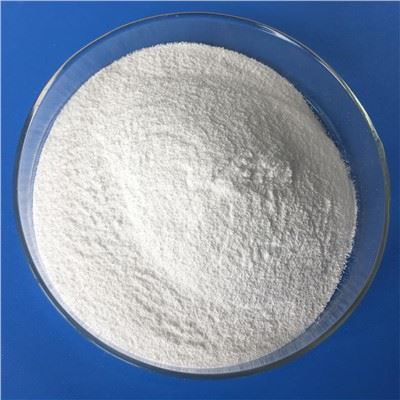
Potassium Acetate, with the chemical formula $CH_3COOK$, is a white crystalline powder that is highly soluble in water. It is a salt of acetic acid and potassium base. In an aqueous solution, it dissociates into potassium ions ($K^+$) and acetate anions ($CH_3COO^ -$). These ions can interact with the cellulose fibers in paper during the production process, potentially influencing the physical and chemical properties of the paper.
Impact on Fiber – Fiber Bonding
One of the primary ways Potassium Acetate can affect paper strength is by influencing fiber – fiber bonding. Cellulose fibers in paper are held together by hydrogen bonds, van der Waals forces, and mechanical interlocking. The potassium ions in Potassium Acetate can act as electrolyte additives. They can interact with the negatively charged surface of cellulose fibers, which are often hydrated due to the presence of hydroxyl groups. By reducing the electrostatic repulsion between the fibers, the potassium ions can allow the fibers to come closer together. This promotes the formation of more hydrogen bonds between the hydroxyl groups on adjacent fibers, enhancing the overall fiber – fiber bonding strength.
Increased fiber – fiber bonding directly translates into improved tensile strength. When a paper sample is subjected to a stretching force, the enhanced bonding allows the load to be distributed more effectively across the fibers. Instead of individual fibers slipping past each other easily, the stronger bonds hold the fibers in place, enabling the paper to withstand higher levels of stress before breaking.
Moisture Management and Paper Strength
Moisture content is a critical factor affecting paper strength. Excessive moisture can weaken the paper by disrupting the hydrogen bonds between cellulose fibers, while too little moisture can make the paper brittle. Potassium Acetate has hygroscopic properties, meaning it can attract and retain moisture from the surrounding environment.
In paper production, adding Potassium Acetate can help maintain an optimal moisture level within the paper. By preventing the paper from drying out too quickly during the manufacturing process or storage, it helps preserve the flexibility and strength of the cellulose fibers. This is particularly important in applications where the paper may be exposed to varying humidity conditions, such as outdoor packaging or printed materials.
For example, in high – humidity environments, the hygroscopic nature of Potassium Acetate can prevent the paper from absorbing too much moisture, which could lead to swelling and a reduction in strength. Conversely, in low – humidity conditions, it can release the absorbed moisture, keeping the paper from becoming overly dry and brittle. This moisture – buffering effect contributes to overall paper strength and stability.
Impact on Paper Formation
Potassium Acetate can also have an impact on the paper – forming process. During the wet – end of paper production, the pulp suspension contains a mixture of cellulose fibers, water, and various additives. The presence of Potassium Acetate can affect the flocculation and dispersion of the fibers in the suspension.
The ions in Potassium Acetate can interact with the surface charges of the fibers and other additives in the pulp. This can influence the way the fibers align and form a uniform network during the paper – forming process. A more uniform fiber network leads to a more consistent distribution of strength properties across the paper sheet. For instance, it can reduce the occurrence of weak spots or areas with uneven fiber density, which can otherwise compromise the overall strength and quality of the paper.
Practical Applications and Benefits for Paper Manufacturers
The use of Potassium Acetate in paper production offers several practical benefits for manufacturers. Firstly, it can lead to cost savings. By improving paper strength, manufacturers may be able to use less raw material (such as pulp) to achieve the same level of performance. This not only reduces the cost of raw materials but also helps in optimizing the production process.
Secondly, it can enhance the quality and durability of the paper products. Papers with improved strength are more resistant to tearing, bursting, and deformation, making them more suitable for high – demand applications. This can open up new market opportunities for paper manufacturers, especially in industries such as high – end packaging, where the quality of the packaging material is crucial for product protection and brand image.
Environmental Considerations
From an environmental perspective, Potassium Acetate is a relatively benign substance. It is biodegradable and non – toxic, which aligns with the increasing demand for sustainable and eco – friendly manufacturing processes in the paper industry. Paper manufacturers are under growing pressure to reduce their environmental footprint, and the use of Potassium Acetate can be part of a more sustainable paper – making strategy.
Challenges and Considerations
While Potassium Acetate offers many potential benefits for paper strength, there are also some challenges and considerations. The dosage of Potassium Acetate needs to be carefully controlled. Too much Potassium Acetate can lead to issues such as excessive moisture retention, which may cause problems in the drying process or promote the growth of mold and bacteria in the paper. Additionally, it may interact with other additives in the pulp, potentially affecting their performance.
Conclusion

In conclusion, Potassium Acetate has significant effects on paper strength in paper production. It can enhance fiber – fiber bonding, manage moisture content, improve paper formation, and offer practical benefits for manufacturers. As a supplier of Potassium Acetate, I understand the importance of providing high – quality products that meet the specific needs of paper manufacturers.
Carbonates If you are a paper manufacturer looking to enhance the strength and quality of your paper products, I encourage you to consider the potential of Potassium Acetate. I am here to discuss how our Potassium Acetate can be integrated into your production process effectively. I would be delighted to engage in a procurement discussion with you to find the best solutions for your business.
References
- Van Wyk, W. G. (2001). Structure and properties of paper. Johannesburg: UNISA Press.
- Hubbe, M. A., – Zhang, X., & Rojas, O. J. (2008). Cellulose fibers, nanostructures, and networks: The relationship between hierarchical structure and mechanical properties. BioResources, 3(1), 36 – 94.
- Caulfield, D. F., & Abbotts, A. P. (2013). Applications of hygroscopic salts and ionic liquids in the preservation of cellulose materials. Cellulose, 20(2), 621 – 630.
Jiangsu Kolod Food Ingredients Co., Ltd.
As one of the most professional potassium acetate manufacturers and suppliers in China, we’re featured by quality products and good price. Please rest assured to wholesale bulk potassium acetate made in China here and get free sample from our factory. Customized orders are welcome.
Address: South Side of Weier Road, Guanyun Development Zone, Lianyungang City, Jiangsu Province, China
E-mail: sales1399@jskolod.com
WebSite: https://www.kolod-group.com/
