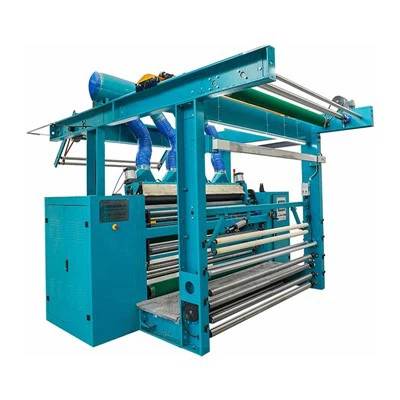
Troubleshooting a textile sueding machine that’s not working properly can be a daunting task, but with a systematic approach and a deep understanding of the machine’s components, it can be effectively resolved. As a supplier of textile sueding machines, I’ve encountered numerous issues and have successfully guided countless customers through the troubleshooting process. In this blog, I’ll share my insights and practical steps to help you get your sueding machine back up and running. Textile Sueding Machine
Initial Checks
Before delving into complex troubleshooting, it’s essential to perform some basic checks. These simple steps can often identify and resolve common issues without the need for extensive repairs.
Power Supply
Begin by ensuring that the machine is properly connected to a stable power source. Check for any tripped circuit breakers or blown fuses in the electrical panel. A loose power cord or a faulty power outlet can also cause power disruptions. If possible, test the power supply with a different electrical device to confirm that the outlet is functioning correctly.
Machine Settings
Review the machine settings to ensure they are configured correctly for the specific fabric and sueding process. Incorrect settings can lead to poor performance or even damage to the machine. Check parameters such as speed, pressure, and abrasive drum rotation to ensure they are within the recommended range. Refer to the machine’s user manual for detailed instructions on setting up the machine for different fabrics.
Mechanical Components
Inspect the mechanical components of the machine for any signs of damage or wear. Check the belts, pulleys, and gears for proper tension and alignment. Loose or damaged belts can cause the machine to operate erratically or fail to start. Look for any signs of fraying, cracking, or excessive wear on the belts and replace them if necessary. Similarly, check the pulleys and gears for any signs of misalignment or damage and adjust or replace them as needed.
Common Issues and Solutions
Once you’ve completed the initial checks, it’s time to address some common issues that can cause a textile sueding machine to malfunction.
Poor Sueding Quality
If the sueding quality is poor, it could be due to several factors. One common cause is a dull or worn abrasive drum. Over time, the abrasive surface of the drum can become worn, resulting in a less effective sueding process. To resolve this issue, replace the abrasive drum with a new one. Make sure to choose a drum with the appropriate grit size for the fabric you are sueding.
Another possible cause of poor sueding quality is incorrect pressure settings. If the pressure between the fabric and the abrasive drum is too low, the sueding effect will be minimal. Conversely, if the pressure is too high, it can damage the fabric. Adjust the pressure settings according to the fabric type and thickness to achieve the desired sueding effect.
Machine Vibrations
Excessive vibrations can not only affect the performance of the sueding machine but also cause damage to its components. One common cause of vibrations is an unbalanced abrasive drum. If the drum is not properly balanced, it can cause the machine to shake and vibrate during operation. To check for drum balance, use a vibration analyzer or a simple stroboscope. If the drum is unbalanced, it will need to be rebalanced or replaced.
Another possible cause of vibrations is loose or worn bearings. Bearings are responsible for supporting the rotating components of the machine, and if they are loose or worn, they can cause excessive vibrations. Inspect the bearings for any signs of damage or wear, such as noise, heat, or play. If the bearings are damaged, they should be replaced immediately.
Electrical Issues
Electrical problems can also cause a textile sueding machine to malfunction. One common issue is a faulty motor. If the motor is not functioning properly, the machine may not start or may run at a reduced speed. To check the motor, use a multimeter to test the voltage and resistance. If the motor is defective, it will need to be replaced.
Another possible electrical issue is a damaged control panel. The control panel is responsible for controlling the various functions of the machine, and if it is damaged, it can cause the machine to operate erratically or fail to start. Inspect the control panel for any signs of damage, such as burned-out components or loose connections. If the control panel is damaged, it will need to be repaired or replaced.
Advanced Troubleshooting
If the basic checks and common solutions do not resolve the issue, it may be necessary to perform advanced troubleshooting. This may require the use of specialized tools and equipment, as well as a deeper understanding of the machine’s internal workings.
Diagnostic Testing
One way to identify the root cause of the problem is to perform diagnostic testing on the machine. This can involve using a computerized diagnostic system to analyze the machine’s performance data and identify any faults or errors. The diagnostic system can provide detailed information about the machine’s components, such as the motor, sensors, and control panel, and can help pinpoint the source of the problem.
Component Replacement
If the diagnostic testing reveals that a specific component is faulty, it will need to be replaced. This may require disassembling the machine to access the component, so it’s important to follow the manufacturer’s instructions carefully. Make sure to use genuine replacement parts to ensure the proper functioning of the machine.
Professional Assistance
If you are unable to diagnose or resolve the issue on your own, it may be necessary to seek professional assistance. Contact the manufacturer’s technical support team or a qualified textile machinery repair technician. They have the expertise and experience to diagnose and repair complex issues with textile sueding machines.
Preventive Maintenance
To minimize the risk of future problems, it’s important to perform regular preventive maintenance on your textile sueding machine. This can help extend the lifespan of the machine and ensure its optimal performance.
Cleaning and Lubrication
Regularly clean the machine to remove any dust, debris, or lint that may accumulate on the components. Use a soft brush or compressed air to clean the hard-to-reach areas. Lubricate the moving parts of the machine, such as the bearings, gears, and belts, according to the manufacturer’s recommendations. This can help reduce friction and wear and prevent premature failure of the components.
Inspection and Calibration
Periodically inspect the machine for any signs of damage or wear. Check the belts, pulleys, and gears for proper tension and alignment, and replace them if necessary. Calibrate the machine’s sensors and controls to ensure accurate operation. This can help prevent issues such as poor sueding quality or machine malfunctions.
Training and Education
Provide training and education to your operators on the proper use and maintenance of the textile sueding machine. Make sure they are familiar with the machine’s operating procedures, safety guidelines, and troubleshooting techniques. This can help prevent operator error and ensure the safe and efficient operation of the machine.
Conclusion

Troubleshooting a textile sueding machine that’s not working properly requires a systematic approach and a deep understanding of the machine’s components. By performing basic checks, addressing common issues, and performing advanced troubleshooting when necessary, you can identify and resolve the problem and get your machine back up and running. Remember to perform regular preventive maintenance to minimize the risk of future problems and ensure the optimal performance of your machine.
Inspection Machine If you’re experiencing issues with your textile sueding machine or are considering purchasing a new one, I invite you to contact us for expert advice and support. Our team of experienced professionals can help you choose the right machine for your needs and provide comprehensive training and after-sales service. Don’t let machine problems slow you down. Contact us today to discuss your requirements and take the first step towards improving your textile production process.
References
- Textile Machinery Manufacturer’s User Manual
- Textile Industry Technical Reports
- Professional Textile Machinery Repair Guides
Jiangsu Feng Te Technology Co., Ltd.
We’re well-known as one of the leading textile sueding machine manufacturers in China. With a professional production team, we are able to meet the needs of the majority of our customers. Please rest assured to buy discount textile sueding machine for sale here from our factory.
Address: No. 4 Zhanghong Road, Siying Industrial Park, Lianyungang City, Jiangsu Province, China
E-mail: frentejenny@foxmail.com
WebSite: https://www.jsfrente.net/
