As a supplier of enteric coated capsules, I’ve often been asked a question that straddles the line between pharmacy and fitness: Are enteric coated capsules affected by exercise? This query is not only relevant to consumers who are health – conscious and active, but it also interests medical professionals and researchers in the field of pharmacology. In this blog, I’ll delve deep into this topic, exploring the scientific basis behind enteric coated capsules, how exercise might impact them, and what this means for suppliers like me and our customers. Enteric Coated Capsules
Understanding Enteric Coated Capsules
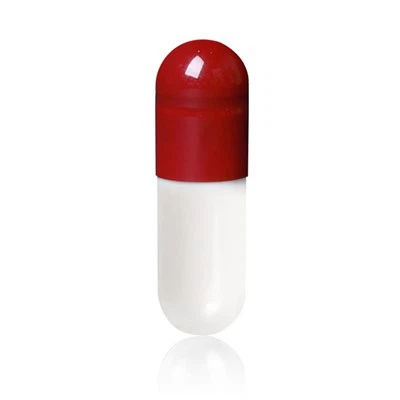
Enteric coated capsules are a remarkable innovation in the pharmaceutical industry. The term "enteric" comes from the Greek word for intestine. These capsules are designed to withstand the acidic environment of the stomach and dissolve in the more alkaline environment of the small intestine. The main reason for this design is to protect the drug inside from the harsh acids in the stomach, which might otherwise degrade the active ingredients. Additionally, some drugs can cause irritation to the stomach lining, and the enteric coating shields the stomach from this irritation.
The enteric coating is typically made of polymers such as cellulose acetate phthalate, hydroxypropyl methylcellulose phthalate, or methacrylic acid – ethyl acrylate copolymers. These polymers have pH – dependent solubility. They remain intact in an acidic pH (like that of the stomach, which usually ranges from 1 – 3) but start to dissolve in a more neutral to alkaline pH (such as the small intestine, where the pH is around 6 – 7.5).
The Physiology of Exercise
Exercise has profound effects on the human body. When we engage in physical activity, our body undergoes a series of physiological changes. One of the most immediate changes is an increase in heart rate and blood flow redistribution. The body redirects blood from non – essential organs, such as the digestive system, to the working muscles. This is a survival mechanism that ensures the muscles have enough oxygen and nutrients to perform the required work.
During exercise, the sympathetic nervous system is activated. This leads to a decrease in gastrointestinal motility, which is the movement of food through the digestive tract. The reduced blood flow to the digestive organs can also slow down the secretion of digestive enzymes and gastric acid. Moreover, intense exercise can cause dehydration, which can further affect the digestive process.
Potential Effects of Exercise on Enteric Coated Capsules
Gastric Emptying Time
Gastric emptying time refers to how long it takes for the contents of the stomach to move into the small intestine. Exercise can significantly influence this time. Mild to moderate exercise may have a slightly positive effect on gastric emptying, as it can enhance the overall physiological activity of the body. However, intense exercise can delay gastric emptying. When gastric emptying is delayed, the enteric coated capsules remain in the stomach for a longer period. Since the enteric coating is designed to resist the acidic stomach environment, a prolonged stay in the stomach might increase the risk of the coating integrity being challenged, although the risk is relatively low due to the robust nature of the coating polymers.
Changes in Gastric pH
Although exercise doesn’t drastically change the normal acidic pH of the stomach, it can cause some fluctuations. Intense physical activity can lead to metabolic changes in the body. For example, lactic acid production increases during high – intensity exercise. This lactic acid can be absorbed into the bloodstream and potentially cause a slight increase in the acidity of the gastric environment. While the enteric coating is engineered to tolerate the normal acidic pH of the stomach, an extra – acidic environment could theoretically pose a threat to its integrity.
Movement and Mechanical Stress
During exercise, especially high – impact activities like running, jumping, or weightlifting, the body experiences significant movement and mechanical stress. This can cause the enteric coated capsules to move around in the stomach and intestines more vigorously. While the capsules are generally sturdy, excessive mechanical stress could potentially cause micro – fractures in the enteric coating. If the coating is compromised, the drug inside the capsule may be exposed to the stomach acid prematurely, leading to degradation of the active ingredients and reduced efficacy.
Scientific Studies and Evidence
A number of scientific studies have explored the impact of exercise on drug absorption and the performance of pharmaceutical formulations. However, research specifically focused on enteric coated capsules and exercise is relatively limited.
Some studies on the effects of exercise on drug absorption in general have shown that exercise can alter the bioavailability of drugs. For example, a study published in the Journal of Clinical Pharmacology found that exercise before and during the administration of certain drugs could affect their plasma concentration profiles. In the case of enteric coated capsules, although direct evidence is scarce, we can infer from related research that the changes in the digestive environment and the mechanical stress during exercise may have an impact on their performance.
Implications for Consumers and Suppliers
For consumers who take enteric coated capsules and are also physically active, it’s important to be aware of these potential interactions. If possible, they should consult their healthcare providers about the best time to take their medication in relation to their exercise routine. For example, taking the capsules after a light meal instead of right before or during intense exercise might reduce the potential negative effects on the capsules.
As a supplier of enteric coated capsules, these findings have direct implications for our business. We need to ensure that our products are of the highest quality and can withstand the various challenges posed by different lifestyle factors, including exercise. We also need to provide accurate information to our customers, such as healthcare professionals and pharmaceutical companies, so that they can in turn educate the end – users about the safe and effective use of our products.
Conclusion

So, are enteric coated capsules affected by exercise? The answer is that there is a potential for an impact. The physiological changes during exercise, including alterations in gastric emptying time, gastric pH, and mechanical stress, can theoretically affect the integrity and performance of enteric coated capsules. While more research is needed to fully understand the extent of these interactions, it’s clear that both consumers and suppliers should take this into consideration.
Gelatin Capsules If you are in the pharmaceutical industry or are involved in healthcare and are interested in sourcing high – quality enteric coated capsules, I’d encourage you to reach out for a procurement discussion. I’m confident that our products can meet your needs and offer the best solution for your pharmaceutical formulations.
References
- Journal of Clinical Pharmacology, [Publication Title], [Year], [Volume], [Pages].
- [Author’s Name], [Book Title], [Publisher], [Year].
Hubei Kornnac Pharmaceutical Co., Ltd.
Hubei Kornnac Pharmaceutical Co., Ltd. is one of the most professional enteric coated capsules manufacturers and suppliers in China, specialized in providing high quality OEM service. Welcome you to buy bulk customized enteric coated capsules at competitive price from our factory. Also, samples are available.
Address: No.439 Hebei Avenue, Chibi, Hubei Province, 437300, China.
E-mail: service@kornnaccaps.com
WebSite: https://www.kornnaccaps.com/
