If you’ve ever stood behind the counter at a makeup counter, testing eyeshadows on your hand for the right blend or picking through a palette to find the perfect matte brown, you’ve probably never thought about the pile of uncompounded powders and pigments sitting behind that final product. As a supplier of eyeshadow semi-finished materials, I work on the other side of that counter—talking to formulators, small independent makeup brands, and big cosmetic conglomerates every day, and watching how the raw materials we source and compound are changing faster than ever before. The trends in eyeshadow semi-finished development aren’t just about making colors brighter or last longer; they’re about adapting to shifting consumer expectations for sustainability, inclusivity, and skin safety, while also pushing the limits of texture and performance. Let’s break down what’s actually driving these changes, and what every brand that uses our semi-finished lines should be paying attention to right now. Eyeshadow Semi-Finished Material
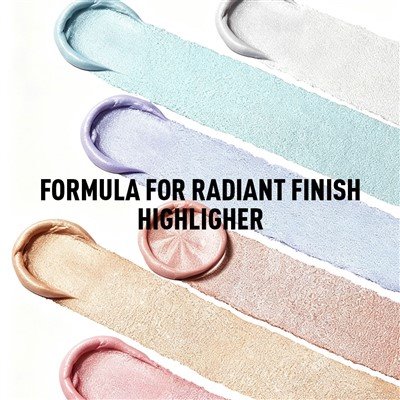
The biggest trend I’ve seen take hold over the last three years is the move away from single-ingredient, petroleum-based fillers in semi-finished eyeshadow bases. For decades, most eyeshadows relied on talc as a primary bulking agent, paired with synthetic waxes and mineral oil to bind pigments and give the powder a smooth feel. That formula works, but it’s fallen out of favor for two big reasons: talc-related concerns (especially around asbestos contamination in unregulated raw materials, though that’s mostly a raw material processing issue rather than a talc itself problem) and consumer demand for more sustainable makeup. Today, more formulators are asking for semi-finished bases that replace up to 60% of traditional fillers with plant-derived alternatives like rice starch, corn starch, and tapioca dextrin. These starches aren’t just eco-friendly; they also give eyeshadows a softer, less chalky finish when applied, and they’re naturally non-comedogenic, which is a huge plus for people with oily or acne-prone eyelids.
What’s even more exciting is how we’ve adapted our semi-finished lines to make this transition easy for brands that don’t have a dedicated R&D team. For example, our new matte semi-finished bases use a blend of rice starch and jojoba esters instead of talc, and they come pre-blended with a full range of matte pigments, so a small brand can just add fragrance or a tiny amount of hydrating agent (if they want) and have a fully pressable eyeshadow in hours, not weeks. We’ve done extensive testing with these bases, and they press smoothly, don’t crumble excessively, and have the same staying power as our old talc-based lines—something that used to be a pain point when brands tried to switch to natural fillers on their own.
Another trend that’s been building slowly but is now reaching a tipping point is the demand for inclusive shade ranges, and that’s reshaping how we develop pigment blends for semi-finished eyeshadows. For years, most eyeshadow pigment lines were focused on a small set of neutral tones—beiges, taupes, browns—that worked for a narrow range of skin undertones. Now, brands are asking for semi-finished eyeshadows that include pigments that show up vibrantly on deep skin tones as well as fair ones, without looking ashy or muted. That’s meant working with pigment manufacturers to develop new iron oxide blends and pigment structures that have higher tinting strength, so a single pass of the eyeshadow shows up clearly on all skin types. For example, we recently launched a deep terracotta semi-finished eyeshadow that uses a hybrid of organic red iron oxide and a new synthetic long-wear pigment, and when formulators pressed it into pans, we tested it on skin tones from fair to deep, and the color remained consistent and true to the swatch, no matter the undertone. We’ve also noticed that brands are moving away from “one-size-fits-all” pigment sets; many are now ordering custom semi-finished pigment blends for limited-edition collections, which means we’ve had to streamline our custom blending process to handle small orders (as little as 50 kg) instead of the 1,000+ kg bulk orders we used to prioritize.
Sustainability isn’t just about replacing talc, either—this trend has expanded to the entire lifecycle of semi-finished eyeshadow materials, from sourcing to packaging prep. Over the last two years, we’ve had more requests for semi-finished bases that are compatible with recyclable and refillable packaging, and that don’t use microplastics or other non-biodegradable components. Traditional eyeshadows often include small amounts of polyethylene or other plastic-based polymers to improve staying power and blendability, but those polymers don’t break down easily, and they can contribute to microplastic runoff when products are washed off. So we’ve developed a new line of “zero-plastic” semi-finished eyeshadows that use vegetable-based polyesters derived from castor oil instead of synthetic polymers. These polyesters give the same smooth, blendable texture as plastic ones, but they’re fully biodegradable and compostable, and they work with refillable pans so brands can reduce packaging waste by up to 70% compared to single-use eyeshadow palettes.
Another big sustainability shift we’re seeing is the move toward upcycled raw materials in semi-finished eyeshadows. Instead of sourcing new raw materials from virgin sources, we’re working with manufacturers to source pigments and fillers from waste streams from other industries. For example, one of our most popular new semi-finished mica lines uses mica that’s been recovered from construction waste, processed to remove impurities, and milled to the fine particle size needed for eyeshadow. This cuts down on the need for virgin mica mining, which has a well-documented history of environmental damage and labor concerns, and it still gives the same shimmery, iridescent finish that consumers love. We’ve tested these upcycled mica semi-finished materials for skin safety and color consistency, and they meet all EU and US cosmetic regulations, so brands don’t have to compromise on quality to use them.
Texture innovation is another key trend in semi-finished eyeshadow development, driven by consumers who want more than just matte or shimmery finishes. In the last year, we’ve seen a huge rise in demand for “multi-use” semi-finished eyeshadows that can be used as eyeshadow, eyeliner, and even blush. That means developing bases that have a thicker, more pliable texture than traditional loose powder semi-finished materials, so they don’t smudge when applied as eyeliner, but still blend smoothly on the eyelid. We’ve also developed semi-finished liquid eyeshadow bases that are pre-blended with pigments, so brands don’t have to handle messy liquid pigments on their own. These liquid semi-finished bases are long-wearing, transfer-resistant, and don’t crease, even on oily eyelids, and they can be adjusted with a small amount of water or glycerin to make them more sheer or opaque, depending on the brand’s needs.
Skin safety is always a priority, but recent regulatory changes and consumer awareness have pushed this trend even further. For example, the EU’s Cosmetics Regulation has banned a number of synthetic pigments and preservatives in recent years, so we’ve had to adapt our semi-finished lines to comply with these new rules, while still maintaining performance. We’ve also developed semi-finished eyeshadow materials that are free of parabens, sulfates, and phthalates, which are common irritants for sensitive skin. What’s more, we’ve started testing all our semi-finished materials for microbial safety, heavy metal contamination, and skin compatibility at every stage of production, not just at the end, so brands can be sure that the final eyeshadow product is safe for all skin types, including sensitive, acne-prone, and even contact lens wearers.
Of course, every trend comes with its own set of challenges. For example, when we switched to plant-based fillers, we had to adjust our processing equipment to make sure the starches were milled to the right particle size, because too large a particle makes the eyeshadow feel gritty, and too small makes it too powdery. We also had to work closely with pigment manufacturers to develop new iron oxide blends that show up well on all skin tones, because traditional iron oxides don’t have enough tinting strength for deep skin. But the biggest challenge has been balancing consumer demand for innovation with the need to keep semi-finished materials affordable, especially for small independent brands that don’t have big budgets. That’s why we’ve kept our base prices consistent over the last two years, even as we’ve invested in developing new semi-finished lines, and we offer flexible order sizes so small brands can test new materials without committing to large bulk orders.
Looking ahead, I think the next big trend in eyeshadow semi-finished development will be the integration of smart technology into eyeshadows, though that’s still a few years away. For example, researchers are developing pigments that change color based on UV light or body temperature, so an eyeshadow that starts as a soft pink shade can shift to a deeper red when exposed to sunlight. We’re already working with a few pigment companies to test these smart pigments in semi-finished lines, and early tests show they work well in powder and liquid bases. But it will be a while before these pigments are affordable enough for mainstream brands, and they’ll need to pass strict skin safety and regulatory tests before they hit the market.
For now, the trends that are shaping eyeshadow semi-finished development are all centered around making makeup that works better for people, is more sustainable, and is inclusive of all skin types. As a supplier, our job is to listen to what our customers—formulators, brands, and ultimately consumers—need, and develop semi-finished materials that meet those needs without compromising on quality, safety, or affordability. If you’re a makeup brand looking to update your eyeshadow line with the latest semi-finished materials, or if you have specific needs for custom blending or sustainable bases, I’d encourage you to reach out to our team to discuss your project. We have a range of semi-finished lines that can be tailored to fit your brand’s goals, and we’re always open to collaborating on new developments that push the boundaries of what eyeshadow semi-finished materials can do.
Face Base Reference:
- International Journal of Cosmetic Science. "Advances in Powder Texture for Eye Cosmetics." 2022, vol. 44, no. 3, pp. 289-302.
- EU Cosmetics Regulation (1223/2009): Annex II – List of Prohibited Substances. European Commission, 2023.
- Journal of Sustainable Chemistry and Engineering. "Upcycled Raw Materials for Cosmetic Applications: Mica as a Case Study." 2021, vol. 9, no. 10, pp. 3456-3467.
- Skin Pharmacology and Physiology. "Skin Compatibility of Plant-Derived Fillers in Eye Cosmetics." 2023, vol. 36, no. 2, pp. 89-97.
- Cosmetic Design & Development Magazine. "Inclusive Shade Development for Eye Cosmetics: Pigment Tinting Strength Across Skin Tones." 2022, no. 8, pp. 45-51.
Guangzhou Yishengheng Cosmetic Co., Ltd.
As one of the most professional eyeshadow semi-finished material manufacturers in China, we’re featured by high quality customized products. Please feel free to buy discount eyeshadow semi-finished material in stock here and get pricelist from our factory. Quality products and punctual delivery are available.
Address: Room 1003, 10th Floor, Building B, Suijin Center, No. 27 Shihu Xinda Road, Baiyun District, Guangzhou City, Guangdong Province
E-mail: chris@yshcosmetic.com
WebSite: https://www.yshcosmetic.com/
