If you’ve ever stepped into an oil processing plant, the first thing you’ll notice isn’t the towering distillation columns or humming pumps—it’s the quiet rhythm of classification working behind every valve and gauge. For me, 12 years as an oil processing plant supplier, that rhythm is what separates a run-of-the-mill crude oil handling system from one that runs at peak efficiency, cuts waste, and delivers consistent, high-value products. So let’s break this down: crude oil classification isn’t just a technical box to tick—it’s the foundation of how any plant turns raw petroleum into gasoline, diesel, jet fuel, and the petrochemicals that shape modern life. Oil Processing Plant
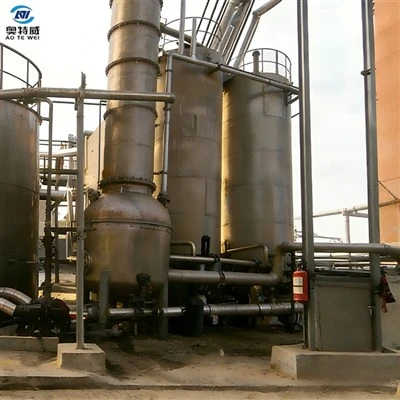
First, let’s get one thing straight: crude oil isn’t a single product. It’s a fossil fuel formed over millions of years from the remains of marine organisms, and its composition shifts wildly depending on where it’s extracted, how deep it’s pulled from the earth, and even the conditions it’s exposed to during transport. That variability is why classification exists—to turn a messy, inconsistent raw material into something a processing plant can plan around.
The most common classification framework you’ll hear about is based on two core properties: density and sulfur content. Density is measured using API gravity, a scale developed by the American Petroleum Institute that flips the usual density logic: higher API gravity means lighter crude, lower means heavier. Light crude (API gravity above 31.1 degrees) flows easier, has more of the smaller hydrocarbon molecules that make up high-demand fuels like gasoline, and requires less energy to process. Heavy crude (API below 22.3 degrees) is thick, packed with large, complex molecules, and needs more aggressive heating and extra processing steps to get usable products.
Sulfur content breaks crude into sweet and sour varieties. Sweet crude has less than 0.5% sulfur by weight; sour crude has more than that. Sulfur is a problem because when it’s burned, it releases sulfur oxides that cause acid rain, and in a processing plant, it can corrode equipment if not removed. Sweet crude is easier to refine into low-sulfur fuels that meet global environmental regulations, so it generally commands a higher price at auction. Sour crude requires more advanced processing units, like hydrodesulfurization reactors, to strip out sulfur—something that adds cost to every part of a plant’s operation.
But classification doesn’t stop at density and sulfur. Modern plants also categorize crude by its salt content, wax content, and even the presence of trace metals like vanadium or nickel. Salt, for example, can cause severe corrosion in distillation columns if not removed upstream, so we build desalting units into every plant design specifically tailored to a crude’s salt load. Wax, which forms waxy solids at low temperatures, can clog pipelines and processing equipment, so our systems include heat tracing and specialty filters sized to handle a crude’s wax profile. Trace metals, meanwhile, are catalysts poisons—they gum up the catalysts in reforming and cracking units, shortening their lifespan and increasing downtime.
Now, why does this matter so much for you, the plant operator? Let’s use a real example: a plant built to process West Texas Intermediate (WTI), a light, sweet crude with an API gravity of around 39 and sulfur content of just 0.24%. If that same plant is fed a heavy, sour crude like Canada’s Athabasca oil sands blend, it’s like trying to fit a size 10 shirt on a size 2 person. The distillation columns weren’t designed to handle thick, heavy molecules, the desulfurization units are too small for the high sulfur load, and the heat exchangers can’t move enough energy to process the dense feedstock. The result? Lower yields of high-value products, frequent equipment failures, and millions in lost revenue every year.
That’s where we come in as oil processing plant suppliers. We don’t just sell generic equipment; we design and build systems around a plant’s target crude slate. For example, if a client is sourcing mostly medium-sour crude (API 25-31, sulfur 0.5-2.0%), we size the crude distillation unit’s internal trays to handle the heavier hydrocarbon cuts, add a more robust hydrodesulfurization system, and integrate wax removal components to prevent pipeline blockages during cold transport. If a plant is focused on light, sweet crude, we can optimize for higher distillation yields, skipping the heavy sulfur removal units to keep capital costs lower.
I’ve seen this play out hundreds of times over my career. A small refinery in the Midwest once came to us with a system that kept failing, all because they’d bought a used plant designed for light sweet crude and tried to run heavy Venezuelan crude through it. They were losing 15% of their potential gasoline yield, and their corrosion rates were three times the industry average. We worked with them to reconfigure their distillation columns, upgrade their desalting units, and add a pre-processing step to separate heavier fractions before they entered the main system. Within a year, their yields jumped 12%, and their maintenance costs dropped by nearly 20%. That’s the power of getting classification right before you buy any equipment.
It’s also important to note that classification isn’t static. Many modern processing plants don’t just handle one type of crude—they run a “slate” of crudes, mixing light and heavy, sweet and sour, to balance cost and product demand. A plant in the Gulf Coast, for example, might mix 60% WTI with 40% Mars crude, a medium-sour blend, to get a feed that’s efficient to process and delivers the right mix of gasoline and diesel. When you work with a supplier, we’ll help you map out your ideal slate, test crude samples (we offer on-site testing support for new and existing plants), and design a system that can adapt to small changes in your feedstock without shutting down production.
Let’s talk about a common misconception, too: some plant operators think “heavy crude” is a bad thing, but it depends on your business model. Heavy crude can be processed into high-value asphalt, bunker fuel, and even heavy crude oil feedstock for petrochemical plants, which are often more profitable per barrel than gasoline in some markets. The key is matching your plant’s capabilities to your crude classification, not just chasing the light sweet crude that makes headlines. I’ve worked with plants that specialize exclusively in heavy sour crude, and they run at 95% efficiency because their entire system is built around that feed.
Another layer of classification comes from international standards. Organizations like the International Organization for Standardization (ISO) and the American Society for Testing and Materials (ASTM) have set specific testing methods to classify crude, so there’s a consistent language between producers, transporters, and processors. For example, ASTM D287 is the standard test for API gravity, and ASTM D4294 measures sulfur content. When we design a plant, we calibrate all of our monitoring and control systems to these standards, so you can easily cross-reference your feedstock data with your supplier’s design specifications and avoid costly mismatches.
Now, if you’re running an oil processing plant, you know that downtime is the enemy of profit. A single unplanned shutdown can cost tens of thousands of dollars an hour. That’s why pre-processing classification steps—like crude analysis units that test feedstock composition in real time—are non-negotiable. We build these units into every plant we deliver, with sensors that track density, sulfur, salt, and metals every minute, so your control room can adjust heating, pressure, and catalyst doses on the fly. This isn’t just a nice-to-have; it’s the difference between a plant that runs smoothly and one that’s always firefighting equipment issues.
So, what does this mean for your next plant project? Whether you’re building a new facility from the ground up, upgrading an existing plant, or looking to optimize your current feedstock mix, the starting point is always classification. You can’t design a processing system until you know exactly what you’re processing. That’s why we don’t push pre-built, one-size-fits-all plants; we take the time to understand your crude sources, your target products, and your operational goals, then build a system tailored to your specific classification needs.
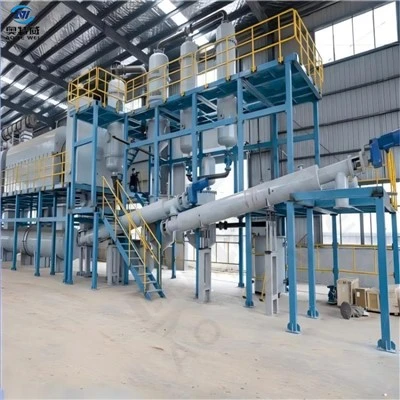
If you’re currently dealing with low yields, high maintenance costs, or equipment failures that you suspect are tied to mismatched crude classification, let’s talk. I’ve spent my career solving these exact problems, and I know how to turn even a struggling plant into a high-performing operation. Reach out, and we can walk through your current setup, test a sample of your feedstock, and outline a plan to get your plant running at its best.
Continuous Pyrolysis Plant References
- Speight, J. G. (2019). The Chemistry and Technology of Petroleum. CRC Press.
- American Petroleum Institute. (2022). API Gravity Measurement Guidelines. API Publication 2550.
- Gary, J. H., Handwerk, G. E., & Kaiser, M. J. (2007). Petroleum Refining: Technology and Economics. CRC Press.
- ASTM International. (2021). Standard Test Method for API Gravity of Crude Petroleum and Petroleum Products (Hydrometer Method). ASTM D287-21.
Shangqiu Aotewei Environmental Protection Equipment Co., Ltd.
Shangqiu Aotewei Environmental Protection Equipment Co., Ltd. is one of the most professional oil processing plant manufacturers and suppliers in China, also supports customized service. Please feel free to buy CE approved oil processing plant at competitive price from our factory. Welcome to contact us for pricelist.
Address: No.88 Longhai Road, Liangyuan District, Shangqiu City, Henan Province, China
E-mail: colin@henanpower.com.cn
WebSite: https://www.aoteweitech.com/
