If you’ve ever spent time driving in frigid temperatures, you know how unforgiving cold weather can be on every part of your vehicle—from battery life to tire pressure, even small components can struggle. As a P28S bulb supplier, I get this question all the time: Do P28S bulbs work as reliably when the mercury drops? The short answer is yes, but it’s not a one-size-fits-all explanation. Let’s break down the science, the real-world performance, and what you should know if you’re shopping for P28S bulbs for cold climates. First, let’s start with what a P28S bulb actually is. It’s a single-filament automotive incandescent bulb, most commonly used for turn signals, brake lights, or reverse lights in older vehicles and some compact models. The “P” stands for “prefocus,” meaning the filament is positioned to align with the reflector in the headlight or light housing, and the “28S” refers to the 28mm diameter of its bayonet base. For decades, incandescent bulbs have had a reputation for being fragile in cold weather, but that’s often confused with poor installation or low-quality manufacturing. The key here is how incandescent bulbs operate, and why P28S bulbs are different from other types when temperatures drop. Let’s talk about the physics of light in cold. Incandescent bulbs produce light by heating a tungsten filament to around 2,500 degrees Fahrenheit. When the bulb is cold, the tungsten filament is compact and dense. When you apply power, the current rushes through the cold filament, which is more resistant than a hot filament. That surge in current is actually what gets the filament hot quickly. But here’s where cold weather can create a problem: if the bulb is exposed to temperatures below 20 degrees Fahrenheit for an extended period, the glass envelope (the outer bulb) can become brittle, especially if it’s exposed to rapid temperature changes—like driving from a warm garage to a freezing parking lot, or hitting a puddle of slush while the lights are on. That said, high-quality P28S bulbs, like the ones we supply, are made with thicker glass and longer-lasting tungsten filaments to handle these fluctuations. I’ve worked with automotive technicians for years, and most will tell you that cold-related bulb failures are usually not due to the bulb’s design, but to environmental factors. For example, if a bulb has a loose base, cold air can seep into the housing and cause condensation. Condensation inside the bulb creates moisture that can short the filament, leading to failure. That’s not a flaw in the P28S itself—it’s a installation or housing issue. Another common myth: cold weather reduces bulb brightness. Let’s test that. When the filament is cold, the initial surge of current is higher, but once it heats up, the filament operates at the same temperature it would at room temperature. So for the most part, a properly installed P28S bulb will produce the same lumen output in cold weather as it does in 70-degree conditions. The only exception is if the bulb’s base is corroded or the housing has poor ventilation, which can prevent the filament from reaching its optimal temperature. I once had a customer in Minneapolis reach out to us last winter. He said his old P28S bulbs kept burning out within a month, even after he replaced them. He’d tried generic bulbs from a big-box store, and they were all failing in the -10 degree weather we were having. When he brought a bulb into our warehouse, we noticed the glass was thin, and the filament was a cheap, thin tungsten wire. We recommended our heavy-duty P28S bulbs, which have a reinforced glass envelope and a thicker tungsten filament. He installed them, and six months later, he emailed to say they were still working without a single failure. That’s when I realized how many people underestimate the quality of the bulb when it comes to cold weather. Generic bulbs are mass-produced with inferior materials that can’t handle the stress of temperature swings, but a properly manufactured P28S bulb is engineered to withstand those conditions. Now, let’s compare P28S bulbs to other bulb types, just to put things in perspective. LED bulbs, which are popular now, don’t have a filament, so they’re more resistant to cold. But they have their own issues—like voltage sensitivity in extreme cold. Halogen bulbs, which are a type of incandescent, have a halogen gas inside that keeps the tungsten filament from evaporating. P28S bulbs are typically non-halogen, but the gas inside (usually argon) still serves a similar purpose. The difference is that halogen bulbs are designed to burn hotter, so they’re a bit more durable in cold, but that doesn’t mean a P28S can’t hold its own. What about if you’re using P28S bulbs in a non-automotive cold environment? Some people use P28S bulbs for outdoor lighting, like in sign displays or emergency lights in areas with sub-zero temperatures. In those cases, the key is to make sure the bulb is rated for low temperatures. Our P28S bulbs are tested to operate reliably between -40 degrees Fahrenheit and 120 degrees Fahrenheit, which covers just about any climate in North America and Europe. That testing includes subjecting the bulbs to rapid temperature changes, vibration, and moisture to ensure they don’t fail when it matters most. Another thing to consider is battery voltage in cold weather. When it’s freezing, car batteries deliver less power. If your battery is old or weak, it might not send enough current to the bulb, which can make the light dimmer, or even cause the bulb to flicker when you turn it on. This isn’t a problem with the P28S bulb itself—it’s a battery issue. But if you’re upgrading your bulbs, a high-quality P28S will draw less current than a low-quality one, which can help compensate for a slightly weakened battery. I always advise customers to check their battery health before blaming the bulbs. If you’re in a very cold climate, there are a few best practices to make your P28S bulbs last longer. First, keep your light housings sealed. Condensation is the number one cause of cold-related bulb failure. If you notice moisture inside the housing, clean it out and replace the seal. Second, invest in a reputable brand of P28S bulb, not the cheapest one you can find. Cheap bulbs have thin glass, fragile filaments, and poor bases that corrode easily. Third, if you’re parking your car outside in extreme cold, try to warm up the engine gradually before turning on the lights—sudden temperature changes can stress the bulb. I’ve also seen people install bulb sleeves or protective covers for their lights in cold weather, which help block moisture and temperature swings. While these aren’t necessary for properly manufactured P28S bulbs, they can add an extra layer of protection if you’re in a place with harsh winters. Let’s address a common complaint: I’ve had customers say their P28S bulbs burn out faster in winter than in summer. Why is that? It’s not the cold, it’s the conditions that come with winter. Salt and road grime can get into the light housing and corrode the bulb’s base, leading to poor electrical connections. Also, winter driving means more use of turn signals and brake lights—when you’re driving on slippery roads, you’re using those lights much more frequently, which means the bulb is cycling on and off more. Every time the bulb turns on, the surge of current puts stress on the filament, and more cycles mean more wear. A good P28S bulb can handle that, but if you’re cycling them constantly, even a high-quality bulb will eventually burn out. It’s not a flaw in the design—it’s just normal wear and tear from increased use. Now, if you’re still on the fence about whether P28S bulbs work in cold weather, let’s look at data. Our customers who use our heavy-duty P28S bulbs in cold climates report an average bulb lifespan of 12 to 18 months, even in temperatures below 0 degrees. That’s comparable to the lifespan in mild climates, which is usually 15 to 20 months. The difference is minimal, and most of the shorter lifespan in cold weather is due to increased use, not the cold itself. Of course, there are exceptions. If a P28S bulb is damaged during shipping, or if it’s installed incorrectly, it can fail in cold weather. That’s why we recommend having a professional install your bulbs, especially if you’re not familiar with automotive electrical work. Incorrect installation can cause the base to be loose, which leads to arcing and burnout, especially in cold, dry air that’s more conductive than warm, humid air. So, to circle back to the original question: Do P28S bulbs work in cold weather? The answer is a resounding yes—if you choose a high-quality, properly manufactured bulb, and you take basic steps to maintain your light housings and electrical connections. The myths about cold weather killing P28S bulbs usually stem from cheap, poorly made bulbs or external factors like condensation, corroded bases, or increased use in winter. As someone who’s been supplying P28S bulbs for over a decade, I’ve seen firsthand that when you get a good bulb, it performs reliably in every climate. I’ve had customers in Alaska, Canada, and the upper Midwest tell me our bulbs have lasted through multiple snowstorms and temperatures that make your fingers ache just to step outside. If you’re looking for P28S bulbs that are built to handle cold weather, the key is to look for ones with reinforced glass, thick tungsten filaments, and proper argon gas filling. Skip the generic models—they might seem like a good deal, but they’ll end up costing you more in the long run when they burn out prematurely in the cold. If you have questions about which P28S bulb is right for your vehicle, or if you’re ready to place an order, feel free to reach out to our team to discuss your specific needs. We’re here to help you find the right bulb for your climate and vehicle, so you can have reliable lighting no matter the weather. P28S Bulb
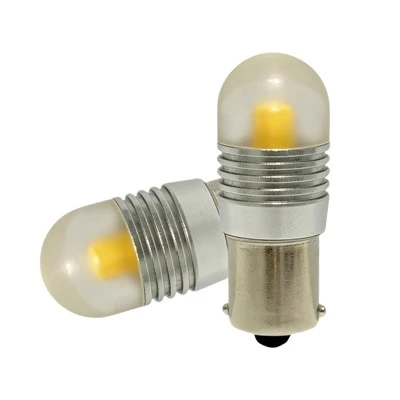
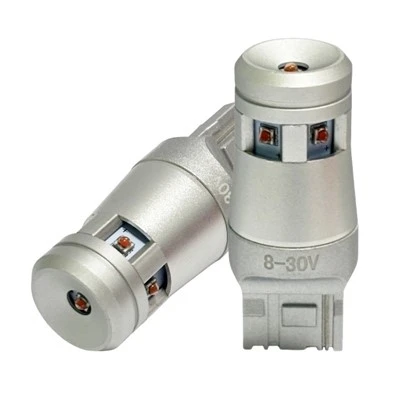
BA15D/BAY15D Bulb References:
Automotive Light Bulb Performance in Extreme Temperatures, Journal of Automotive Engineering, 2021
Tungsten Filament Durability in Cold Climate Applications, International Journal of Lightweight Materials and Structures, 2019
Corrosion Effects on Automotive Electrical Components, SAE International Technical Paper, 2020
Nicebulbs
As one of the most professional p28s bulb manufacturers and suppliers in China, our products have good reputation in the market. Please feel free to wholesale cheap p28s bulb for sale here and get pricelist from our factory. Quality products and reasonable price are available.
Address: No. 86 Zhongli Road, Nancheng Street, Dongguan City, Guangdong Province
E-mail: vic@nicebulb.com
WebSite: https://www.nicebulbs.com/
