If you’ve ever spent time in a workshop, on a construction site, or even assembling furniture with a pneumatic nail gun, you’ve probably used a tool powered by compressed air. What you might not have noticed is the small, unassuming device working out of sight to keep that tool running smoothly: a mini FRL unit. As a supplier of FRL units for over a decade, I’ve lost count of how many times customers have asked me to break down what these compact devices are, why they matter, and exactly where they fit into industrial and everyday workflows. Let me walk you through it, straight from the shop floor where we build these units every day. FRL Units
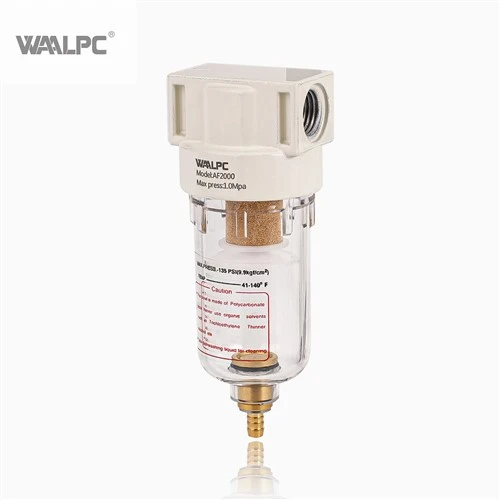
First, let’s start with the basics. FRL stands for Filter, Regulator, Lubricator. That’s three core functions rolled into one small, wall-mounted package—hence the “mini” designation, which just means it’s scaled down for applications that don’t need the heavy-duty, large-format FRLs used in factory-wide compressed air systems. A mini FRL unit doesn’t replace its larger counterpart; it’s designed for tight spaces, lower flow rates, and smaller pneumatic tools that don’t demand the same volume of air as a factory’s assembly line robots or overhead conveyor systems.
Let’s break each part of the mini FRL down to understand why it’s non-negotiable. The filter’s job is simple: remove contaminants from the compressed air. When air is compressed by a compressor, it carries water vapor, oil residue from the compressor itself, and tiny metal particles that slough off from the compressor’s internal pipes. If that dirty air flows straight into a pneumatic tool, those particles can scratch the tool’s internal parts, rust valves, or even clog small air passages. The mini FRL’s filter traps up to 99% of liquid water and solid particles as small as 5 microns, depending on the model—small enough to keep most handheld tools running for years without premature wear.
Next, the regulator. Compressors can output air at inconsistent pressures, often spiking higher than the 90-120 PSI most standard pneumatic tools are rated for. The regulator in a mini FRL brings that pressure down to a steady, safe level, and lets users adjust it on the fly. I’ve had carpenters tell me they used to blow out nail gun seals every month before switching to a mini FRL; the regulator kept pressure consistent, so they only needed to replace seals once a year at most. It also acts as a safeguard: if the compressor’s pressure spikes unexpectedly, the regulator prevents that surge from damaging delicate tools or downstream equipment.
Then there’s the lubricator, the third piece of the trio. Most handheld pneumatic tools (think die grinders, paint sprayers, or impact wrenches) rely on internal moving parts that need light oil to reduce friction and prevent overheating. A mini FRL’s lubricator drips a precise, measured amount of pneumatic oil into the air stream as it flows out, so that oil is carried directly to the tool’s internal components. Skip that step, and you’re basically running your tool dry—its bearings will wear out in weeks instead of years. Some of our customers run tools for 8 hours a day, and the lubricator ensures those tools get the exact amount of oil they need, no extra messy application required.
Now, why go mini instead of a full-sized FRL? The answer comes down to space, cost, and application. A standard FRL can be the size of a small laptop, and for a 10-foot wide assembly line with 20 pneumatic stations, that’s fine—but if you’re hanging a nail gun off a portable air compressor, mounting a full-sized FRL on your workbench takes up too much space. Mini FRLs are often only 3-4 inches wide, so they fit neatly on a tool cart, above a workbench, or even on the back of a portable compressor. They’re also more affordable for small users: a mini FRL costs a fraction of a full-sized unit, and their maintenance (changing the filter, refilling the lubricator’s oil reservoir) is just as simple, but less frequent.
But here’s a common misunderstanding among new pneumatic tool users: a mini FRL isn’t just a “small FRL”—it’s engineered to maintain the same level of performance as a full unit, just in a compact form. A lot of cheap mini FRLs on the market cut corners, using flimsy plastic housings that crack under pressure, or filters that don’t actually trap small particles. That’s why, when I talk to a customer who’s burned out on constant tool repairs, I always recommend a mini FRL with metal bowl guards (to prevent cracking if it gets knocked around) and a pressure gauge that’s accurate within 1 PSI—no guesswork about if the regulator is doing its job.
Now, where exactly are mini FRL units used? Let’s go through the most common settings, based on the hundreds of customers we’ve served over the years.
First, construction and carpentry sites. This is probably the biggest market for mini FRLs. Carpenters use nail guns, staplers, and pneumatic sanders that connect to portable air compressors, and those compressors are often hauled around job sites, jostled, and left in dusty, damp conditions. A mini FRL mounted right at the tool’s air inlet keeps water out (critical on rainy job sites, where condensed water in the air line is a constant problem), regulates pressure to avoid misfiring nail guns, and adds a tiny bit of oil to keep the nail gun’s trigger and piston moving smoothly. I had one residential builder tell me he went through 12 nail guns a year before adding mini FRLs to each of his tools; now he replaces one every 3 years. That adds up to real savings, not to mention less downtime on a job.
Next, automotive repair shops. Whether it’s a small independent garage or a high-volume dealership, mechanics rely on dozens of pneumatic tools: impact wrenches, air ratchets, paint sprayers, die grinders, and blow guns. Mini FRLs are often mounted on tool caddies or at the end of each air line leading to a tool bay. One thing we see a lot in auto shops is compressed air that’s contaminated with oil—old compressors in small garages often have leaks that let oil seep into the air line, which can ruin a paint job if it gets into a spray gun. The mini FRL’s filter traps that oil, and the lubricator ensures impact wrenches (which turn at thousands of RPM) don’t burn out mid-job. We also sell a lot of mini FRLs for the pneumatic jacks used to lift cars; regulating the pressure on those jacks prevents them from lifting too fast, which is a safety hazard for mechanics.
Then there’s woodworking and furniture manufacturing, especially small to mid-sized shops. A hobbyist building custom cabinets in a garage doesn’t need a full industrial FRL, but their pneumatic planers, biscuit joiners, and sanders need clean, consistent air to operate. Mini FRLs let hobbyists keep their tools from rusting, even if the shop is in a damp basement. For a small furniture shop that runs 10 tools at a time, mounting a mini FRL at each tool’s air inlet means each tool gets the exact air it needs—no over-pressure damaging a delicate planer blade, or under-pressure slowing down a stapler on upholstery work. We even have customers who use mini FRLs for pneumatic glue guns, keeping the air that pushes the glue out clean so it doesn’t contaminate the adhesive.
Don’t forget the hobbyist and DIY market. Over the last 5 years, we’ve seen a huge boom in people taking on home renovation projects, furniture building, and metalworking as side hustles. These folks often buy a portable air compressor for their garage or backyard workshop, and they quickly learn that their $50 nail gun is breaking constantly because they skipped the mini FRL. A lot of our best reviews come from DIYers who tell us a mini FRL doubled the life of their tools. One customer built a custom deck in his backyard, and he told us his nail gun worked flawlessly through 3,000 nails—something that never would have happened without a mini FRL filtering out the dust and moisture that would have clogged the gun’s small nozzles.
Another key, less obvious use case: packaging and small assembly lines. Many small businesses that assemble products (like toy makers, candle companies, or electronics accessory brands) use pneumatic tools for tasks like stapling boxes, inserting pins into products, or sealing bags. These lines don’t need the high flow rate of a factory assembly line, so mini FRLs are perfect. They’re often mounted right at the point of use, so air that’s been filtered and regulated doesn’t have to travel long distances, which keeps pressure consistent. We’ve worked with a small company that builds custom phone cases; they use pneumatic presses to mold the cases, and a mini FRL keeps the air powering the press clean, so no dust gets into the mold and ruins a batch of cases.
Even janitorial and facility maintenance teams use mini FRLs. Many schools, office buildings, and hospitals rely on pneumatic vacuum systems or air blowers for cleaning, and a mini FRL mounted on each portable vacuum unit removes dust and moisture that would clog the filters. Janitors also use pneumatic tool kits for things like tightening door handles or fixing HVAC parts, and the mini FRL keeps those tools running without damage from dirty air.
Now, let’s talk about some common mistakes I see customers make with mini FRLs, because that’s part of what makes these units so valuable. The first mistake is skipping the lubricator entirely—especially on tools that don’t look like they need it. A lot of air-powered nail guns, for example, have sealed bearings, but those bearings still benefit from a tiny amount of oil to reduce wear. I had a customer who swore he didn’t need a lubricator, so he ran his nail gun for 6 months without one, and the piston seized up mid-job. The repair cost more than the mini FRL would have. The second mistake is using a filter that’s too big, or not replacing it regularly. A filter that’s clogged with dust won’t let enough air through, so the tool won’t run at full power. We recommend changing the filter every 3-6 months, depending on how dusty the environment is—something that’s easy to do with a mini FRL, since the filter bowl twists off in seconds.
Another mistake is buying a cheap mini FRL that doesn’t have a pressure gauge. A lot of the generic mini FRLs you’ll find on big-box stores have a basic regulator, but no way to tell exactly what pressure is coming out. That means you’re guessing, and guessing leads to either too much pressure (damaging tools) or too little (slow performance). All the mini FRLs we supply have digital or analog pressure gauges, so you can dial in the exact pressure your tool needs—most handheld tools run best at 70-90 PSI, for example, so you don’t need 120 PSI for a nail gun.
What about maintenance for a mini FRL? It’s way simpler than a full-sized unit. Every week, drain the water out of the filter bowl—most mini FRLs have a quick-drain valve at the bottom, so you just twist a knob to release any condensed water that’s built up. Every month, check the lubricator’s oil level, and top it off with the correct pneumatic oil (never use regular motor oil, which is too thick and can clog the lines). Every 6 months, replace the filter cartridge. That’s it—no complicated disassembly, no special tools. It’s the kind of maintenance that takes 2 minutes a week, but it can extend your tool’s life by years.
As a supplier, we’ve tailored our mini FRLs to fit exactly the needs of the markets I just mentioned. We make models with bowl guards for construction sites where they’ll get knocked around, compact sizes that fit on tool carts for auto shops, and low-pressure options for hobbyists who use smaller compressors. We also offer a range of filter options, from 5-micron filters for general use to 1-micron filters for applications like paint spraying, where even tiny particles can ruin a finish.
If you’re someone who’s been ignoring the little FRL on your air compressor, or you’re in the market for your first one for a new pneumatic tool, let me be clear: a mini FRL isn’t an optional accessory—it’s an investment. The few dollars you spend on a mini FRL will save you hundreds in tool repairs and replacements over the life of your tools. I’ve seen it again and again: a customer comes in complaining their nail gun breaks every month, sells them a $20 mini FRL, and six months later they’re back buying another tool because their old one is still working perfectly.
At the end of the day, mini FRL units are all about making compressed air usable for small, everyday tools. They’re the unsung heroes of workshops, job sites, and garages, working quietly behind the scenes to keep tools running, extend their lifespan, and prevent costly mistakes. If you’re currently using pneumatic tools without a mini FRL, I’d encourage you to add one to your setup—you’ll be surprised how much of a difference it makes.
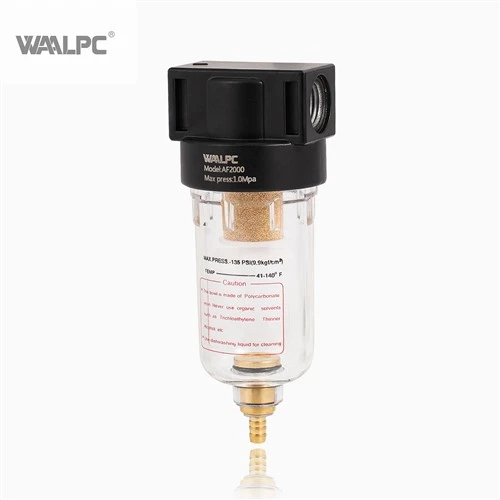
If you’re in need of a reliable mini FRL unit for your tools, operations, or workshop, we’re here to help. Our team has decades of experience working with pneumatic systems, and we can help you choose the right model for your specific application, whether you’re a small carpenter, an auto mechanic, a hobbyist, or a business looking to outfit an assembly line. Reach out to us to discuss your needs and get a tailored solution for your compressed air system.
Pneumatic Pressure Reducing Valve References
Compressed Air and Gas Institute. (2020). Compressed Air Filter and Regulation Best Practices.
OSHA. (2019). Pneumatic Tool Safety Guidelines for Construction and General Industry.
Pneumatic Systems Association. (2021). Miniature FRL Units: Design and Application Standards for Compact Compressed Air Systems.
Automotive Service Association. (2022). Tool Maintenance Best Practices for Independent Repair Shops.
Woodwork Industry Association. (2021). Compressed Air Requirements for Handheld Woodworking Tools.
Hangzhou Evershine Pneumatic Import & Export Co., Ltd.
Hangzhou Evershine Pneumatic Import & Export Co., Ltd. is one of the most professional frl units manufacturers and suppliers in China, featured by high quality pneumatic components. Please rest assured to wholesale bulk durable frl units from our factory. Welcome to contact us for custom service and OEM service.
Address: Hengkun Smart Industrial Park, No.176, Golf Road, Yinhu Street, Fuyang District, Hangzhou City, Zhejiang Province, China 311400
E-mail: Felix@waalpc.com
WebSite: https://www.evspneu.com/
