If you’ve ever worked with industrial equipment—think pressure vessels, chemical processing tanks, or even marine components—you’ve probably heard of clad plates. For anyone in the market, though, figuring out how to pick the right one isn’t as simple as grabbing the first option off the shelf. I’ve been a clad plate supplier for over 12 years, and let me tell you, I’ve seen way too many projects go sideways because someone skipped the basics. Today, I’m breaking down exactly how to select the right clad plate material—no fancy jargon, just real talk from someone who’s sat across from engineers and project managers panicking because they bought the wrong stuff. Clad Plate
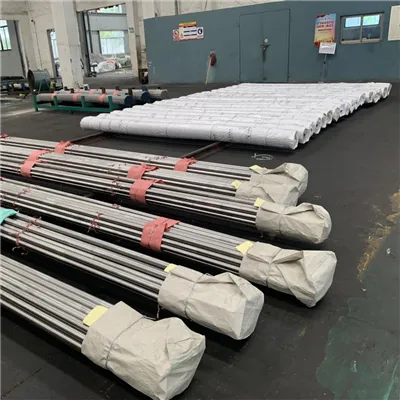
First off, let’s get on the same page: what even is a clad plate? It’s two different metals fused metallurgically (not just glued or bolted) so they act as one. The base plate is usually the workhorse—strong, cheap, handles most of the stress. The cladding is the fancy stuff—resists corrosion, chemicals, extreme temps, whatever your application needs. Pick the wrong pair, and you’re looking at leaks, failures, or worse, safety hazards. I once had a client call me at 2 a.m. because they’d used a generic stainless steel cladding on a tank for hydrofluoric acid; within a month, the cladding had pitted so bad it started seeping into the plant. That’s not a “oops, wrong material” mistake—that’s a “didn’t do their homework” mistake.
Let’s start with the big one: your application’s operating environment. This is non-negotiable, and it’s the first thing I ask every potential client when they reach out. Are you working with acids? Alkalines? Saltwater? High pressure? Cryogenic temps? Let’s break this down with examples. If you’re making a pressure vessel for a pharmaceutical plant, you’re going to need corrosion resistance AND cleanliness. 316L stainless steel cladding on a carbon steel base is the go-to here—316L doesn’t leach contaminants, and carbon steel is cheap for the structural bulk. But if you’re in the oil and gas industry dealing with sour gas (which has hydrogen sulfide), 316L won’t cut it—you need something like alloy 825 or duplex stainless steel cladding because those resist sulfide stress cracking. I had an offshore rig client last year who tried to use standard carbon steel clad plates; within two years, the saltwater and H2S ate through the cladding, and they had to replace the whole tank. Costed them way more than if they’d ordered the right material upfront.
Next, mechanical loads and structural requirements. The base plate is carrying almost all the weight and pressure, so you can’t just pick a thin, flimsy base because you splurged on a fancy cladding. Let’s say you’re building a heat exchanger tube sheet—it needs to handle thermal cycling too, right? So if you’re going from -100°F to 500°F every day, you need a clad pair with good thermal compatibility. That means their coefficient of thermal expansion (CTE) is similar, otherwise they’ll separate when they heat up or cool down. I see this mistake all the time: someone pairs carbon steel (high CTE) with aluminum (low CTE) thinking aluminum is corrosion-resistant, but after a few cycles, the bond breaks. Last quarter, a food processing plant came to me with a failed clad plate heat exchanger—they’d used carbon steel base with aluminum cladding. The CTE difference was so big, the cladding started peeling off within six months. The fix? They swapped in a carbon steel base with 304L stainless steel cladding—almost identical CTE, and it handled the thermal cycles no problem. Also, don’t forget about yield strength. If your application is under constant high pressure, the base plate needs a high yield strength—like ASTM A516 Grade 70 carbon steel instead of A36. I always tell clients: don’t skimp on the base, that’s the part that keeps the whole thing from collapsing.
Then there’s fabrication and welding compatibility. Clad plates aren’t like regular metal—you can’t just weld them like you would a single metal. The welding process has to account for both the base and the cladding, otherwise you’ll contaminate the weld with the cladding material, which weakens it. For example, if you’re welding a carbon steel base with stainless steel cladding, you need to use a filler metal that’s specific to the base (or the “transition” zone) to avoid mixing in too much stainless, which causes cracking. Some materials just don’t play nice together during fabrication. I remember a client tried to weld a titanium-clad carbon steel plate using standard stainless steel filler—they ended up with a weld that was brittle and cracked during pressure testing. Now, I always send each client a “fabrication guide” with their order that explains exactly which fillers to use, how to grind away excess cladding before welding, and even tips on preheating. If you’re not comfortable with that level of fabrication, make sure you work with a supplier who offers technical support—this isn’t a “set it and forget it” product.
Cost is another big one, but it’s not just the upfront cost. A lot of people look at clad plates and think “stainless steel is expensive, so I’ll use a thinner cladding” to save money. But if your application needs 3mm of cladding for corrosion resistance, 1mm won’t cut it—you’ll have to replace the whole part way sooner, which costs way more in the long run. I had a water treatment plant client a few years ago who ordered a clad plate with 1mm of alloy 20 cladding when they needed 3mm. They saved $2,000 upfront, but within 18 months, the cladding wore through, and they had to replace the entire tank, which cost them $150,000. I’m not saying you have to go with the thickest, most expensive material—just don’t cut corners on the thickness of the cladding that’s doing the heavy lifting for corrosion. Also, compare total cost of ownership, not just the initial price tag.
Wait, what about specialty cases? Like cryogenic applications, or high-temperature boilers? For cryogenic stuff (think liquefied natural gas), you need materials that don’t become brittle at super low temps. So aluminum alloy 5083 clad on carbon steel is a common pick here—5083 stays tough at -450°F, and carbon steel handles the structural load. For high-temperature boilers, you might need a nickel alloy cladding, like Inconel 625, which resists oxidation at 1,800°F. I also get a lot of questions about marine applications—saltwater is brutal, so you need either duplex stainless steel or copper-nickel alloy cladding on a steel base. Duplex is great because it’s strong and corrosion-resistant, and cheaper than solid duplex, which would be way too expensive for a whole ship hull.
Another thing to consider: regulatory requirements. If you’re in the US, ASME code is non-negotiable for pressure vessels. If you’re in the EU, it’s PED (Pressure Equipment Directive). Most of the clad plates I supply meet those standards, but I always make sure my clients know—if your project requires ASME U stamp, you can’t just pick any random clad plate; you need one that’s certified. Last year, a client was building a chemical storage tank that had to meet ASME BPVC Section VIII, and he tried to order a cheaper clad plate from a supplier that didn’t have the certification. I had to explain that without that certification, his tank wouldn’t pass inspection, and he’d have to scrap the whole part. We ended up supplying the certified plate, and he passed inspection on the first try. Don’t cut corners on certification—it’s what keeps your project compliant and safe.
Wait, let’s talk about common mistakes I see all the time, because that’s probably the most useful part of this blog. First mistake: not testing the material before ordering. I have a few clients who just take a supplier’s word for it, but I always offer to send test samples if they’re unsure. For example, if you’re working with a rare chemical, send me a small sample of it, and I can do a corrosion test on the proposed clad pair to make sure it holds up. That’s a free service I offer, by the way—no hidden fees, just want to make sure my clients don’t have issues. Second mistake: ignoring the bond quality. The whole point of a clad plate is that the two metals are fused, not just sitting on top of each other. I once had a client who bought cheap clad plates where the bond was only like 80%—so when they welded it, the cladding separated. Always ask your supplier about the bond testing they do—like ultrasonic testing, which checks for any gaps or voids in the bond. Any reputable supplier (hi, that’s me) will do 100% UT testing on every plate they ship, and give you a copy of the test report. Third mistake: not consulting a technical person. I’ve had engineers come to me with super specific questions, and I’m happy to chat with them for hours about which material is best. You don’t have to be a metallurgy expert—just reach out, and we can walk through your project step by step.
Let’s wrap this up with a quick checklist, so you don’t have to remember every word I just said. When selecting a clad plate, ask yourself these five things: 1) What environment will this plate be in? (Chemicals, saltwater, high temp, cryo?) 2) What mechanical loads does it need to handle? (Pressure, stress, thermal cycles?) 3) Can I fabricate this material correctly? (Welding, grinding, preheating?) 4) What’s the total cost of ownership, not just the upfront price? 5) Does this material meet any regulatory codes or standards I need? If you can answer those, you’re way ahead of the game.

At the end of the day, picking the right clad plate isn’t about choosing the most expensive option or the cheapest one—it’s about matching the material exactly to your project’s needs. I’ve been in this game long enough to know that a bad choice can ruin weeks or months of work, but a good choice makes a project run smoothly for years. If you’re not sure what you need, or you have questions about a specific application, don’t guess. Reach out to your supplier, ask for samples, ask for test reports, ask for help. I’m here for it—I’d rather take 20 minutes to talk through your needs now than deal with a panic call at 2 a.m. later. Let’s build something that works, not something that falls apart. If you’re ready to get started, just connect with me to talk through your project details—no obligation, just real advice from someone who knows clad plates inside and out.
UNS Stainless Steel Pipe REFERENCES
- ASME BPVC Section VIII, Division 1: Rules for Construction of Pressure Vessels.
- Davis, J.R. (ed.). Corrosion: Understanding the Basics. ASM International, 2000.
- Shackelford, J.F. and Alexander, W. (eds.). Materials Science and Engineering Handbook, 3rd ed. CRC Press, 2001.
- NACE International. Sour Service Corrosion Resistance in Oil and Gas Production, Publication No. MR0175/ISO 15156, 2020.
Xi’an Dongmeng Group Co., Ltd.
Xi’an Dongmeng Group Co., Ltd. is one of the leading clad plate manufacturers and suppliers in China. We warmly welcome you to buy or wholesale cheap clad plate in stock here from our factory. All customized products are with high quality and competitive price. For free sample, contact us now.
Address: Room 4107, Runfeng Building, Sanqiao New Street, Weiyang District, Xi’an City, Shaanxi Province
E-mail: office@dongmjd.com
WebSite: https://www.cndmmetal.com/
