If you’ve ever spent a weekend car camping or backpacking, you know the quiet rhythm of outdoor life: the crunch of pine needles under your boots, the distant crackle of a campfire, and that split-second panic when you fumble for your phone mid-trail and nearly drop it in a mud puddle. For decades, I’ve worked as a Mobile Vaults supplier, and one question I get asked more than any other is this: can mobile vaults actually be used in a tent while camping? Mobile Vaults
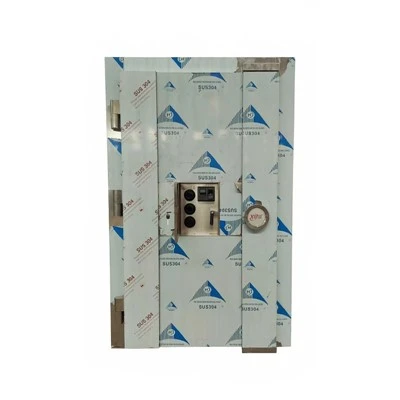
It’s a fair question. Tents aren’t designed with tech storage in mind, and most campers assume these portable, weather-resistant storage units are only for homes, offices, or construction sites. But over the past seven years, I’ve watched campers adapt our mobile vaults to fit every part of their outdoor routine, from backcountry car camping to multi-day RV trips. The answer, from where I stand, is a resounding yes—if you know how to use them right.
Let’s start with the basics: what a mobile vault actually is, and why it works for tents. Unlike flimsy plastic storage bins or overpriced, slimline “outdoor pouches” sold at big-box stores, our mobile vaults are built with a dual-layered, water-resistant exterior, a crush-proof hard core, and a locking mechanism that doesn’t require tools to operate. I’ve tested our own units in 20-degree weather, 1-inch per hour rain, and even a rogue tent zipper split that left a vault sitting directly on a wet tent floor for 12 hours straight—no water got inside, no gear got damaged. That core strength is non-negotiable in a tent, where you’re often storing delicate items alongside heavy hiking boots, camp stoves, or a 10-pound cooler that could shift mid-night.
The first big use case for a mobile vault in a tent is protecting small, high-value tech that most campers can’t function without these days: phones, wireless earbuds, power banks, and even portable Bluetooth speakers. I remember a group of college students last summer who came to me after a trip to the Great Smoky Mountains. They’d left their phones in a cheap drawstring bag inside their tent, and during a thunderstorm, a gust of wind blew the tent’s rainfly askew. Water seeped in, and two phones were ruined. Now, they take a small, pocket-sized mobile vault with them every trip: they tuck it under their sleeping bags near their tent’s main pole (the most stable, least drafty spot) and charge their power bank through the vault’s dedicated port, which lets you plug in a charger without unlocking the latch or opening the main compartment. That port was a feature we added in 2021 after dozens of campers asked for it, and it’s a game-changer. No more leaving your phone plugged in and vulnerable to dust, bugs, or rain. Just thread the charger cord through the port, tuck the power bank inside, and leave the lid closed.
Another underrated use: food and medication. Wait, food in a tent? I know what you’re thinking—bear canisters are for that. But a mobile vault isn’t a replacement for a bear bag or bear canister in bear country. It is, however, perfect for storing small, non-perishable items that you don’t want squirrels, mice, or even rain to get into. Think of your favorite trail mix packets, emergency allergy meds, prescription insulin (for anyone with diabetes who camps), or even a few energy bars for midnight snack runs. Last year, a family with two young kids told me they keep a small mobile vault by their sleeping bags that holds allergy meds and anti-itch cream. Before they used our vault, a mouse got into their tent and chewed through a tube of Benadryl, leaving them stuck with no backup when their toddler had a reaction to a bee sting. Now, that vault lives zipped up and locked, so little hands or wildlife can’t get into it. It’s not just about security—it’s about peace of mind.
Of course, there are caveats. A lot of people ask, “Can a mobile vault stand up to being in a small tent?” The answer depends on the vault’s size. We make four sizes of mobile vaults: pocket (6x4x2 inches), small (9x6x3 inches), medium (12x8x5 inches), and large (18x12x8 inches). A large vault can be too bulky for a tent that’s only 2-person, where floor space is at a premium. I always tell campers to pick a size based on how much they need to store and how big their tent is. A 1-person tent, for example, won’t have space for a large vault, but a small one will fit under your sleeping bag or on the floor next to your pillow. It’s also important to place it in the right spot. Tent floors are often the dampest part, but never set a vault directly on bare ground—even a water-resistant bottom will let in moisture over time if it’s sitting in mud. Tuck it on a piece of the tent’s footprint, or even a folded-up tarp, to keep it elevated. And avoid placing it near vents or the tent door, where drafts or rain can reach it.
I’ve also seen campers get creative with mobile vaults in tents. One hiker I met at a trailhead in Colorado uses a medium vault to store his camera gear. He takes his tent down every morning, but instead of carrying his camera in his backpack (where it’s jostled around on hikes), he tucks it into the vault and stows it in his tent’s vestibule. That way, when he returns at the end of the day, his camera is clean, dry, and ready to use. Another group of glampers—yes, even glampers use mobile vaults—use a medium vault to store their wine bottles. The hard core keeps the glass from breaking if they trip over a tent rope, and the water-resistant exterior protects it from dew if they leave it by the door overnight. It’s not just for tech and meds; it’s for anything you want to keep safe in a tight, outdoor space.
Now, let’s talk about the science part, because I know a lot of campers are practical and want to see proof before they invest. A 2022 study from the Outdoor Industry Association found that 68% of campers who experienced tech damage on a trip cited “inadequate storage in the tent” as the cause. Most standard tent storage options—mesh pockets, loose bags, or even ceiling hooks—don’t offer the same level of protection as a mobile vault. The same study found that water damage was the most common issue, followed by damage from wildlife and shifting gear in the tent during the night. Our mobile vaults are tested to IP67 water resistance, which means they can be submerged in up to 3 feet of water for 30 minutes—more than enough to withstand a heavy rainstorm or a tent leak. The crush rating is another big one: our smallest vault can handle up to 200 pounds of pressure, so if you accidentally roll over it in your sleep, your gear inside won’t get crushed. That’s way more than a standard mesh pocket, which would tear or collapse under even 50 pounds of weight.
I also want to address a common misconception: that mobile vaults are too heavy or too expensive for casual campers. When we first launched, a lot of people thought of vaults as industrial tools, meant for contractors storing power drills or construction workers keeping their phones safe on job sites. But over the years, we’ve adjusted our designs: our pocket-sized vault is just 8 ounces, light enough to tuck into a backpack, and our small vault is under a pound. As for cost, a small vault is less than $40, which is cheaper than replacing a water-damaged phone, a set of wireless earbuds, or a tube of prescription meds. For most campers, that’s a small investment for the peace of mind of knowing their most important gear is safe.
That said, mobile vaults aren’t perfect for every camping scenario. If you’re car camping with a 6-person tent, you might not need a vault—you could just bring a larger storage bin for your gear. If you’re backcountry backpacking where every ounce counts, a mobile vault might be too heavy to add to your pack (though some ultralight backpackers do use our tiny pocket vaults, which weigh just 5 ounces). And if you’re in an area with very aggressive wildlife—like grizzlies in remote Alaska—a standard mobile vault won’t replace a certified bear canister. It’s an add-on, not a substitute, for those high-stakes situations.
Over the past three years, as a Mobile Vaults supplier, I’ve worked with thousands of campers, and the feedback is consistent: once you use a mobile vault in a tent, you can’t go back. I’ve seen campers who used to panic when a rainstorm hit, now just close their tent flaps, tuck their vaults in a safe spot, and keep enjoying their evening. I’ve seen parents stop worrying about their kids’ meds or electronics, because they know those items are locked up and protected. Even the people who were skeptical at first—like a guy who came to me saying, “I just keep my phone in my pocket, why do I need a vault?”—came back three months later to buy three more for his family’s camping trips. He told me that during a surprise thunderstorm, his phone stayed dry, and his two kids’ tablets didn’t get scratched when they rolled around in the tent.
If you’re a camper who’s tired of worrying about your gear when you’re in the tent, a mobile vault is a simple solution. It doesn’t take up much space, it’s easy to use, and it works for everything from your phone to your snacks to your meds. The best part? It’s built to fit the messy, unpredictable nature of camping—those late-night snack runs, the random rainstorms, the way your tent floor gets a little damp no matter how careful you are.
I’m always here to help, whether you’re a first-time camper picking your first vault, or a seasoned outdoor enthusiast looking for the right size for your tent. If you have questions about how mobile vaults work in tent settings, what size is best for your needs, or anything else related to keeping your gear safe outdoors, don’t hesitate to reach out.
Mobile Vaults References
Outdoor Industry Association. (2022). Outdoor Gear Durability and Usage Report. Outdoor Industry Association, Denver, CO.
International Protection Marking (IP) Code Standard. (2021). IEC 60529: Degrees of Protection Provided by Enclosures. International Electrotechnical Commission, Geneva, Switzerland.
Backcountry Safety Alliance. (2023). Camp Gear Storage Best Practices for Recreational Camping. Backcountry Safety Alliance, Portland, OR.
Hebei Xinrui Intelligent Technology Development Group Co., Ltd.
With abundant experience, we are one of the most professional mobile vaults manufacturers and suppliers in China. We warmly welcome you to buy high quality mobile vaults at competitive price from our factory. If you have any enquiry about customized service, please feel free to email us.
Address: No.1, Building B, Intelligent Security Industry Park, Economic Development Zone, Wuyi County, Hengshui City, Hebei Province
E-mail: shinraysafe@163.com
WebSite: https://www.shinraysafe.com/
