Do Hybrid Cars Have Unique Suspension Systems?
If you’ve ever stood in our shop at Suspension Systems By Model, talking with a customer who’s considering a hybrid for their next vehicle, one question always comes up: “Will my old suspension parts work for a hybrid?” It’s a fair question—most of us get used to the cars we drive, and when we switch powertrains, we assume the rest of the car is the same. But after 12 years of servicing every make and model of hybrid on the road today, I can tell you this: hybrid cars do have unique suspension systems, and ignoring that difference leads to bigger problems down the line. Suspension Systems By Model
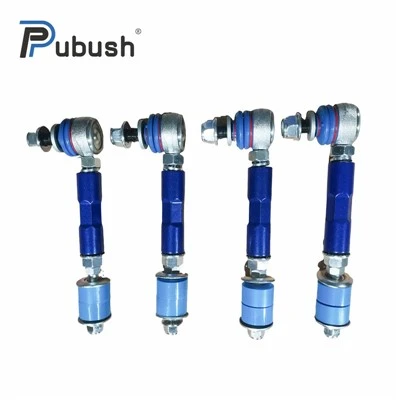
Let’s start with the basics. A hybrid car isn’t just a gas car with a small electric motor bolted on. The extra weight from batteries—usually 200 to 400 pounds, sometimes more, depending on the model—changes how the car behaves. Think of it like hauling a full set of luggage in your trunk every time you drive. That extra weight doesn’t just sit there; it shifts, it affects center of gravity, it changes how the suspension has to handle bumps, turns, and even everyday stop-and-go driving. Traditional gas cars are built to handle the weight of a full tank of gas and a few passengers, but hybrids have that heavy battery as a permanent, under-floor fixture. For suspension engineers, that meant they couldn’t just adapt a standard suspension. They had to design something entirely different.
Take the Toyota Prius, the best-selling hybrid out there. Our team at Suspension Systems By Model has swapped more Prius rear suspension assemblies than we can count. The Prius’s battery is mounted low in the trunk floor, right above the rear axle. That extra weight over the rear wheels means the suspension can’t be as soft as a standard Corolla, because a soft suspension would bottom out under load. But it also can’t be as stiff as a performance car, because hybrids are built for fuel efficiency, and stiff suspension creates more friction, which hurts mileage. So Toyota’s solution was a tuned independent rear suspension with softer springs but specialized dampers that adjust based on load. That’s not something you’ll find on a standard Corolla. If someone tries to put a standard Corolla rear suspension on a Prius, within six months they’ll be complaining about premature tire wear, a bouncy ride, or even uneven handling around turns. We’ve seen it happen more times than I’d like to admit. It’s not that standard parts are bad—they’re just not built for the unique weight dynamics of a hybrid.
Another example: the Ford Fusion Hybrid. We’ve worked on a lot of Fusions over the years, and the front suspension here is a perfect study in how hybrid suspension differs. The Fusion’s battery is under the rear seats, so the front axle doesn’t have the same weight bias as a Prius, but it still has to handle the weight of the electric motor up front. Ford opted for a MacPherson strut front suspension, but with a stiffer upper mount and a larger stabilizer bar than the standard gas Fusion. Why? To counteract the slight nose-heavy feel that comes with the electric motor. If you install a standard Fusion front strut on a Hybrid, you’ll notice excessive body roll when turning, especially when the battery is fully charged. It’s a small difference, but one that makes a big impact on ride quality and safety.
It’s not just weight, either. Hybrids operate differently in stop-and-go traffic, where the engine shuts off and the electric motor takes over. That means a lot more low-speed, frequent acceleration and deceleration than a traditional gas car. Over time, that puts more stress on suspension components, especially the bushings and dampers. Hybrid suspension bushings are made from a harder, more durable rubber compound than standard bushings, because they have to absorb that constant, small vibration from frequent stops. Standard bushings will wear out faster on a hybrid, leading to squeaks, loose steering, and alignment issues. I’ve had customers tell me their hybrid’s front end feels “clunky” after a year of owning it, and when we check, we find the bushings are shot. Nine times out of ten, they tried to save money by using standard replacement parts, not realizing the suspension was built for different stress levels.
Then there’s the question of regenerative braking. Hybrids recapture energy when you slow down, which means they use a different braking system than gas cars. The regenerative braking applies force to the wheels before the hydraulic brakes kick in, which changes how the weight transfers during stopping. In a gas car, when you hit the brakes, weight shifts forward, putting more load on the front suspension. In a hybrid, the regenerative braking means weight transfers are more gradual, but also can be more frequent—thousands of times a year, if you do a lot of city driving. That means the suspension components have to handle consistent, gradual load changes, rather than the occasional hard stop. So the shock absorbers and springs on hybrids are calibrated for that. A standard suspension might handle occasional hard stops, but not the constant, subtle weight shifts of regenerative braking. We’ve seen standard shocks on hybrids leak twice as fast as hybrid-specific shocks, just from that extra, repeated stress.
Now, some people will tell me “hybrid suspension is just the same as gas, just a little stiffer.” But that’s a mistake. Stiffer isn’t the goal—matched tuning is. For example, the Honda Insight, Honda’s compact hybrid, has a multi-link rear suspension that’s tuned to offset the battery’s weight. The springs have a different rate, and the dampers have a unique valve structure, compared to the standard Honda Fit, which shares a similar body. If you put a Fit’s suspension on an Insight, the ride will be too harsh over small bumps, because the springs aren’t calibrated for the extra weight. On the flip side, if you put an Insight’s suspension on a Fit, the Fit will feel soft and sloppy around turns, because the dampers are too stiff for the lighter weight. It’s not just a matter of a few extra pounds—it’s a complete calibration of every component to work together with the hybrid’s powertrain.
I get it—when you’re shopping for replacement parts, it’s tempting to go with the cheapest option. But at Suspension Systems By Model, we’ve seen too many customers end up paying more in the long run because they cut corners on suspension parts designed for hybrids. A standard suspension part might cost $20 less up front, but it will wear out 30% faster, leading to more frequent replacements, alignment issues, and even safety risks. Hybrid suspension isn’t a luxury—it’s a necessity. The extra weight and unique operating dynamics mean if you don’t have the right parts, your car won’t perform the way it should.
Let’s also talk about the quiet ride. Hybrids are designed to be quieter than gas cars, right? The electric motor is almost silent, so the suspension has to work extra hard to reduce road noise. Standard suspension parts are often made to be cheap, and they might have more play or less insulation against road vibration. Hybrid-specific suspension parts, though, are designed to be quieter—from the bushings that absorb vibration to the dampers that reduce wheel noise. If you put standard parts on a hybrid, you’ll notice more road noise inside the cabin, which defeats one of the main benefits of owning a hybrid. That’s a detail most people don’t think about until it’s too late.
Over the years, we’ve tested this firsthand. A customer came to us last year with a 2018 Toyota Camry Hybrid that had been with a different shop, which installed standard Camry suspension parts. Within four months, the front struts were leaking, the tires were wearing unevenly, and the ride was so bumpy the customer almost couldn’t drive it on the highway. We replaced the struts, bushings, and alignment with parts specific to the Camry Hybrid, and within a week, the ride was back to how it should be—smooth, quiet, and stable. That’s the difference between generic parts and parts built for a hybrid’s unique suspension system.
Another customer, a teacher who drives her 2020 Ford Escape Hybrid to school every day, told us she noticed her steering felt “loose” after replacing her control arms. The shop she went to used standard Escape control arms, not hybrid-specific ones. The hybrid’s control arms are built with a different ball joint angle to handle the extra weight, so the standard parts didn’t fit right, leading to that loose steering. We replaced them with hybrid-specific control arms, and she said the steering felt tight again, like she was driving a new car. That’s not a small issue—bad suspension parts can lead to poor handling, which increases the risk of accidents, especially around turns or in bad weather.
So what does that mean for you, if you own a hybrid? It means when you need replacement suspension parts, you can’t just look for “suspension parts for your car” — you have to look for parts specific to your hybrid model. Every hybrid has its own unique suspension, calibrated for its own battery placement, weight, and operating needs. Generic parts won’t cut it. At Suspension Systems By Model, that’s all we do—we specialize in suspension parts matched to every make and model, including hybrids. We don’t carry generic struts or bushings; we carry parts designed for the exact weight, balance, and performance requirements of hybrid vehicles.

I know it’s easy to overlook the suspension when you’re focused on fuel savings or electric range. But the suspension is what connects your car to the road. If it’s not built for your hybrid, you’re not just losing ride quality—you’re risking safety and costing yourself more money in the long run. Hybrids are great cars, but they’re not just regular gas cars with an electric motor. Their suspension is unique, and it needs unique parts to work right.
For Ford GMC Mazda Chassis and Suspension Systems If you’re a hybrid owner and you’re dealing with suspension issues, or you just want to make sure your replacement parts are correct, we’re here to help. We work with individual owners, independent shops, and fleet managers, and we can help you find the right parts for your specific hybrid model. Don’t take chances with generic parts—your hybrid’s suspension deserves parts built for it. Reach out to us today to discuss your suspension needs, and let’s make sure your hybrid rides smooth, safe, and efficient for years to come.
References
- Automotive Engineering International, “Suspension Design for Hybrid Vehicles,” SAE International, 2019
- Toyota Motor Corporation, Prius Technical Specifications: Chassis and Suspension, 2020
- Ford Motor Company, Fusion Hybrid Powertrain and Dynamics Report, 2017
- Society of Automotive Engineers, “Weight Distribution and Suspension Calibration in Hybrid Electric Vehicles,” Journal of Passenger Cars: Mechanical Systems, 2021
- Honda Motor Co., Ltd., Insight Chassis Tuning Document, 2019
Xingtai Refined Machinery and Auto Accessory Co., Ltd.
Xingtai Refined Machinery and Auto Accessory Co., Ltd. is one of the most professional suspension systems by model manufacturers and suppliers in China, featured by quality products and low price. Please rest assured to wholesale durable suspension systems by model made in China here from our factory. Customized orders are welcome.
Address: XINGTAI REFINED MACHINERY AND AUTO ACCESSORY CO., LTD507 NORTH TAIHANG ROAD, XINGTAI CITY, HEBEI PROVINCE, PR.
E-mail: Lindy@pubush.com
WebSite: https://www.pubush-suspension.com/
