Hey everyone, let’s cut to the chase: if you’ve ever grabbed a can of veggies, soda, soup, or even some canned fruit, chances are you’ve interacted with citrates—specifically the ones my company supplies. First off, let’s clear up the big question here: yeah, citrates are super common in canned foods, and that’s not a mystery—they’re workhorses in the food industry, for reasons that make way more sense than you’d think. Citrates

I’ve been in the citrate game for almost a decade now, and I can’t tell you how many times new customers walk in (or message, or call) like, “Wait, citrates aren’t just for cleaning my coffee maker?” Don’t get me wrong—citric acid and its salts, including citrates, are used in all kinds of industrial stuff, but the food side is where most of our supply goes, and canned foods are a huge chunk of that. Let’s break this down without the stuffy lab jargon, shall we?
First, let’s define what we’re talking about when we say citrates here. Citrates are salts of citric acid—so think sodium citrate, potassium citrate, calcium citrate, even citric acid itself (which is technically a weak acid, but people often group it with citrates in food settings). They’re natural too, by the way—you find ’em in citrus fruits like oranges and lemons, but making them for food use is a way more scalable process now, which is why we’re here supplying the stuff.
Now, why would a canned food maker care about citrates? Canning is all about shelf-stability, right? You heat food to kill bacteria, seal it airtight, and that’s how it lasts for months. But there are problems that pop up during that process and storage: pH swings, discoloration, texture loss, even weird off-flavors. Citrates fix a lot of these. Let’s go through the main uses, because that’s where the actual value is.
First up: pH adjustment. Canned foods, especially acidic ones like tomatoes, citrus fruits, or pickles, need a specific pH to prevent botulism (that’s the super serious bacteria that grows in low-acid environments, yikes). Wait a second—tomatoes are actually a low-acid food if they’re not ripe enough, right? That’s why some tomato products get citrates added. Sodium citrate, for example, is a buffer. It doesn’t just make things more acidic or less—it keeps pH steady. If the pH drifts during canning (like when you heat tomato puree), that buffer keeps it in the safe zone. Without that, you’d either have to over-acidify with other stuff, which ruins flavor, or risk spoilage. We supply a ton of sodium citrate specifically for tomato canners, that’s been a staple for us.
Then there’s flavor. Have you ever opened a can of peaches and thought, “Why do these taste so bright, like they’re fresh?” Part of that is citrates. They balance sweetness, especially in canned fruits that can get cloying from added sugar. Potassium citrate is big here because it doesn’t leave that metallic aftertaste that some other acid regulators do. We work with several canned fruit brands to tweak the amount—too little, and the fruit tastes flat; too much, and it’s too tart. It’s a fine line, but that’s where our team’s knowledge comes in.
Texture is another big one. Canned vegetables, like green beans or corn, can get mushy during processing, right? Calcium citrate helps here, believe it or not. It binds to pectin in the vegetable cell walls, keeping them firm so they don’t turn into soup in the can. I once had a customer tell us that switching to our calcium citrate cut their product’s texture complaints by 30%—that’s huge for a brand, because texture is make-or-break for canned veggies. And for canned meat products? Sodium citrate helps prevent fat from separating, so the meat stays cohesive, not greasy and crumbly. I’ve tasted way too many canned sausages that are just fatty goop, so that’s a use I’m glad we can support.
Wait, also—anti-browning. Canned apples, pears, even some potatoes turn brown when you cut them, just like they do when you leave a fresh apple out. Citrates inhibit the enzymes that cause that browning, so the canned fruit stays that bright, appealing color instead of looking like it’s been sitting in a fridge for a year. I think that’s part of why canned fruits are so popular with parents for school lunches—they look good, not gross and discolored.
Now, let’s get into a question I get a lot: are citrates safe? Duh, they’re FDA-approved, EFSA-approved, all the food safety bodies say they’re fine in the amounts we use. They’re even naturally occurring, so they’re way less scary than some artificial additives. A lot of health-conscious brands are actually moving toward citrates because they’re “cleaner” than other acid regulators, which is why our supply has grown the past 5 years. That’s a big shift I’ve seen—10 years ago, customers didn’t ask about additives as much, now they want stuff that’s recognizable as something you’d find in a kitchen (even if it’s made in a factory for mass supply).
But wait—are there any canned foods that don’t use citrates? Sure, some simple cans of water or plain rice, but even a lot of those might have a tiny bit for pH balance. The ones that do use it are usually the more processed ones, but even “natural” or “no added preservative” canned foods use citrates. You can’t avoid it if you’re making a shelf-stable, consistent canned product. I’ve had customers try to cut back on citrates to keep labels clean, but they always come back because the product goes bad, or tastes off, or looks ugly. It’s a trade-off, but citrates are the middle ground that works for everyone.
Now, let’s talk about my role as a citrate supplier, because that’s what you’re here for, right? A lot of suppliers just send a bag of powder and dip, but we work with our clients to figure out exactly how much citrate they need, what type, and even help with formulation tweaks. Canning processes vary—some places use higher heat, some use different sealants, some make different products—so one size doesn’t fit all. For example, a brand making canned sparkling soda (which is often canned too, not just bottled) uses a different blend of citric acid and sodium citrate than a brand making canned pickles. We test batches with our customers to make sure it doesn’t affect the flavor, and we even help troubleshoot if a batch turns out too tart or too soft.
I can’t tell you how many horror stories I’ve heard from canners who switched to a cheap citrate from another supplier, only to have their whole batch get rejected because it had impurities that caused off-flavors. That’s why we prioritize food-grade quality—we test every shipment, make sure there’s no heavy metals or weird contaminants, because if our citrate ruins a brand’s product, that’s bad for both of us. We don’t cut corners, and that’s why a lot of our customers have been with us for years.
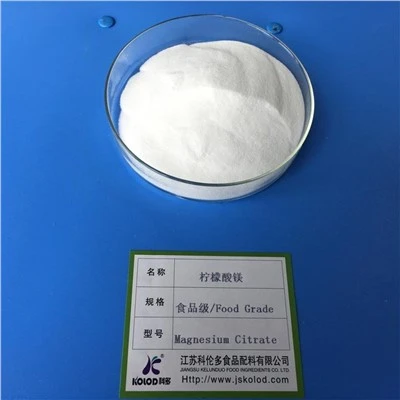
Wait, also, a quick note for anyone who’s curious: citrates are different from citric acid, but they’re closely related. Citric acid is more tart, while citrates are milder buffers, so they don’t make things as acidic. That’s why you see both in ingredients lists sometimes—brands might use a mix to get the exact pH and flavor they want. For example, a canned tomato sauce might have citric acid to cut through the sweetness of the tomatoes, plus sodium citrate to keep the pH from being too sharp.
Chlorides Let me wrap this up: citrates are definitely used in most canned foods, and for really good reasons—safety, flavor, texture, shelf-life. They’re not some weird artificial chemical; they’re a versatile, safe ingredient that makes canned foods work the way we expect them to. If you’re a canned food manufacturer looking for a reliable, high-quality citrate supplier, we’re here to help. We don’t just sell product—we partner with you to find the right citrate for your specific needs, whether that’s sodium, potassium, calcium, or citric acid blends. Just reach out to our team to chat through your requirements, no pressure, no hidden fees, just honest advice from people who’ve been in this for years.
References
- U.S. Food and Drug Administration. (2023). Food Additives Permitted for Direct Addition to Food for Human Consumption: Citric Acid, Citrates, and Citrate Esters. Retrieved from FDA.gov.
- Institute of Food Technologists. (2021). The Role of Citrates in Food Processing and Preservation. Journal of Food Science, 86(5), 1872-1881.
- European Food Safety Authority. (2020). Scientific Opinion on the Safety of Citrates (E330-E333) as Food Additives. EFSA Journal, 18(6), e06124.
- Canadian Food Inspection Agency. (2022). Ingredient Database: Citric Acid and Citrates for Food Use. Retrieved from CFIA.ca.
Jiangsu Kolod Food Ingredients Co., Ltd.
We are one of the most professional citrates manufacturers and suppliers in China, featured by quality products and good price. Please rest assured to wholesale bulk premium citrates made in China here and get free sample from our factory. Customized orders are welcome.
Address: South Side of Weier Road, Guanyun Development Zone, Lianyungang City, Jiangsu Province, China
E-mail: sales1399@jskolod.com
WebSite: https://www.kolodfoodingredients.com/
