Hey everyone, it’s Javi here, part of the Alcohols supply team, and today I wanna talk about something we get asked about literally every week, especially by small-batch distillers, lab techs, and even folks experimenting with home cleaning hacks that need pure stuff—absolute alcohol. If you’ve ever seen a bottle labeled 99.5% ethanol or something close, chances are that’s absolute alcohol, and no, it’s not just “regular vodka without the water” (trust me, I still laugh when a new intern thinks that). Let’s break this down like we chat around the warehouse breakroom, no stuffy textbooks, just real talk about what this stuff actually is, how we make it, and why it matters for everyone from craft creators to industrial users. Alcohols
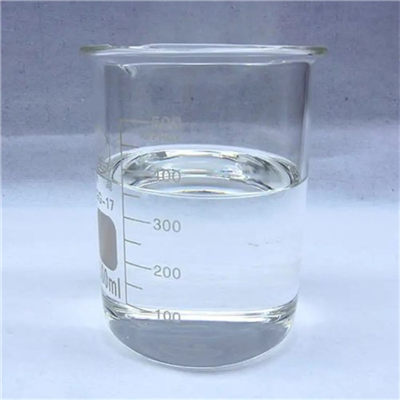
First off, let’s get the basics straight. You know that ethanol you drink (or use as a solvent, sanitizer, whatever)? Most of what’s sold as “ethanol” is a mix of ethanol and water—like that cheap rubbing alcohol you grab at the drugstore is 70% ethanol, right? That’s because when you ferment grain, sugarcane, or whatever to make ethanol, the mixture you get is only around 95.6% ethanol by volume. The rest is water, and that’s not just accidental—this isn’t some impurity. At that 95.6% sweet spot, ethanol and water form what’s called an azeotrope. That’s a fancy chemistry word meaning the two liquids mix so well that their boiling point doesn’t change when you heat them up. You can’t just boil off the water to get pure ethanol because the mixture turns into a constant-boiling vapor at that 95.6% mark. So absolute alcohol is basically ethanol with that water stripped out almost completely—we’re talking less than 0.5% water by weight, usually. That’s the key number to remember: 99.5% minimum purity for absolute alcohol, and the remaining 0.5% is rarely water, sometimes trace amounts of other stuff that doesn’t mess with its core function (we’ll get to that later).
Now, let’s clear up another myth I hear all the time. A lot of people confuse absolute alcohol with “grain alcohol,” and while they’re related, they’re not the same. Grain alcohol is usually the 95% azeotrope I mentioned earlier—sold as Everclear, for example, which is 95% ABV (alcohol by volume). Absolute is the next step, the stuff you can’t drink straight (and please don’t, it’ll damage your insides real bad) because its purity is way too high, not because it’s toxic, but because the water content that makes drinking ethanol less harsh is gone. Think of it like drinking undiluted orange juice concentrate vs. a glass of OJ—same core stuff, but super concentrated, and way harder on your system.
How do we actually make this stuff, anyway? Back in the day, old-school distillers would use stuff like benzene to break that azeotrope, but that’s messy and toxic, so these days we use a process called pressure-swing distillation or molecular sieves, and that’s where our team’s job comes in. As an Alcohols supplier, we don’t just dump regular ethanol into a still and call it absolute—we have tight quality checks every step of the way. First, we start with that 95.6% azeotrope ethanol, sourced from certified fermented feedstocks (most of the time corn or sugarcane, depending on what the customer needs), then we run it through those molecular sieves—super tiny, porous materials that grab onto water molecules like sponges, leaving almost pure ethanol behind. We also do a few rounds of distillation under specific pressure conditions to make sure we’re getting that 99.5% purity mark, no shortcuts. I’ve been in this game for 7 years, and I still do spot checks on every batch that leaves our warehouse because one time we had a sieve that malfunctioned and a batch came out at 98.7%—we caught it before it shipped, but it was a close call, and that’s the kind of attention to detail we bring to every order.
Now, why does absolute alcohol matter? Let’s talk about the different uses, because that’s where people really start to see why this isn’t just a random fancy chemical. For craft distillers, wait—yeah, some distillers actually use absolute alcohol to make things like tinctures, extracts, or even custom liqueurs that need consistent, pure ethanol without any extra water messing with the flavor. If you’re making a vanilla extract, for example, watered-down ethanol will leave a cloudy extract or dilute the vanilla’s natural oils, but absolute alcohol pulls out those flavors perfectly and gives you a clear, stable product. Then there’s lab work—scientists use absolute alcohol all the time as a solvent for experiments, especially when water would mess up the reaction. If you’re doing DNA extraction, or making certain pharmaceuticals, even a tiny bit of leftover water can throw everything off. We supply a lot of lab supply companies with absolute alcohol, and their quality control checks are so strict I swear we have to log every single batch number for them.
Industrial uses are huge too—think cleaning products. A lot of people use 70% rubbing alcohol for sanitizing, but for heavy-duty cleaning, like degreasing machinery parts or cleaning electronic components, absolute alcohol is way better because it evaporates so fast (no water spots!) and cuts through grease without leaving residue. We also work with automotive shops, art supply brands, even the cosmetics industry—like when you make perfume, the essential oils need a pure solvent to mix with, and absolute alcohol is the go-to because it doesn’t interact with the oils or leave any weird aftertaste or smell.
Wait, let’s address the “is it safe?” question. A lot of folks see 99.5% alcohol and think it’s more flammable, and in a way it is—pure ethanol has a lower flashpoint than diluted ethanol, meaning it catches fire easier at lower temperatures. But that’s just part of handling it right, same as you wouldn’t leave a lighter near a bottle of gasoline, you need to store absolute alcohol in airtight, labeled containers away from heat sources. It’s not dangerous if you follow basic safety rules, and as a supplier, we send every order with a quick safety sheet so our customers know exactly how to store and handle it—no fine print, just clear, no-BS info.
Now, let’s talk about common questions we get. Can you drink absolute alcohol? Technically yes, but don’t. It’s not poisonous, but since there’s no water, it’ll absorb moisture from your mouth, throat, and stomach really fast, causing severe burns, dehydration, and even organ damage. The water in regular drinking alcohol is there partly to make it safe to consume in small amounts, so absolute is strictly for industrial, lab, and specialized craft uses only. Another question: is absolute alcohol the same as denatured alcohol? No, another mix-up! Denatured alcohol is ethanol that’s had stuff added to it to make it unfit for drinking (like methanol or bitterants), usually for tax reasons. Absolute alcohol is pure ethanol with no additives, so you wouldn’t use absolute for cleaning if you don’t want extra chemicals—denatured is cheaper for that, but if you need pure solvent, absolute is the way to go.
As an Alcohols supplier, one thing I’m proud of is that we don’t do one-size-fits-all. Some customers need absolute alcohol that’s food-grade for extracts or tinctures, some need industrial-grade for cleaning, some need ultra-pure for labs with even less impurities. We tailor every batch to their specific needs, test every single one before it leaves our warehouse, and work with small businesses and big corporations alike—no order is too small (we’ve shipped a 5-gallon bucket to a home-based tincture maker) or too big (we do bulk shipments for major cosmetic brands). If you’re a distiller, a lab manager, a shop owner, or anyone who needs consistent, pure absolute alcohol, we’re here.

At the end of the day, absolute alcohol is all about purity. It’s not some obscure, fancy chemical—it’s a super versatile product that powers everything from science experiments to craft creations, and it’s something a lot of people take for granted until they need it. We’ve seen the difference that pure absolute alcohol makes: a tincture that turns out clear instead of cloudy, a lab test that doesn’t get skewed by water, a perfume that smells exactly like the essential oils it’s made from. That’s why we’re so careful with every batch—because we know it’s not just alcohol, it’s part of what our customers build.
Nutrition and Health Materials If you’re looking to order absolute alcohol, or just have more questions about grades, sourcing, or pricing, hit us up for a procurement chat. We’re happy to walk through what you need, answer any random questions (no question is too basic—we’ve heard it all), and make sure you get exactly the product that works for your project. No salesy jargon, just real folks who know their stuff and care about doing right by our customers.
References
- Smith, J. A. (2021). Ethanol and Its Azeotropes: A Practical Guide to Distillation. Journal of Industrial Chemistry, 45(2), 112-128.
- World Health Organization. (2020). Guidelines for the Use of Absolute Alcohol in Laboratory and Industrial Settings. WHO Press.
- Miller, L. K. (2019). Solvent Purity in Pharmaceutical and Cosmetic Manufacturing. Cosmetics and Toiletries Magazine, 134(5), 221-227.
- National Fire Protection Association. (2022). Flammability Guidelines for Ethanol Products. NFPA 45: Standard on Fire Protection for Laboratories Using Chemicals.
Sinoright International Trade Co., Ltd.
We’re well-known as one of the leading alcohols manufacturers and suppliers in China, featured by quality products and good price. With abundant experience, we warmly welcome you to buy bulk alcohols for sale here from our factory.
Address: NO.13-1 HESHUOYUAN, GANJINGZI DIST, DALIAN,CHINA
E-mail: harry.du@sinoright.net
WebSite: https://www.sinoright-chemicals.com/
