If you’ve ever stood on the shop floor of a manufacturing facility—whether it’s producing automotive components, consumer electronics, or industrial machinery—you know that part selection often boils down to balancing performance, cost, and longevity. As someone who’s been supplying aluminum turned parts for over a decade, I’ve sat through countless design reviews where engineers debate the merits of aluminum vs. plastic parts. Too often, plastic is the default choice because it’s cheap to mold, but the conversation rarely deepens into the long-term tradeoffs that can derail product reliability, maintenance costs, and brand reputation. In this post, I want to break down the tangible advantages of aluminum turned parts over plastic parts—from material science to real-world application data—that make aluminum the smarter pick for most high-stakes manufacturing uses. Aluminum Turned Parts
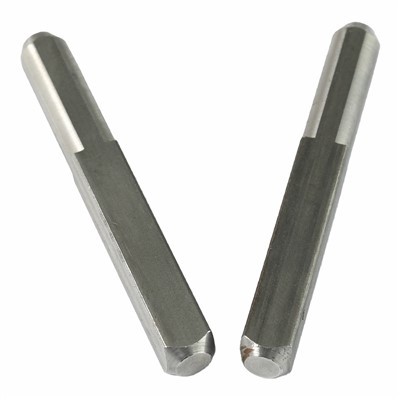
First, let’s clarify what aluminum turned parts are, because not every metal component on a shop floor comes from the same process. Turning is a subtractive manufacturing method where a single cutting tool removes material from a rotating aluminum billet or rod to shape precision components: think threaded fasteners, bushings, valve bodies, heat sinks, or custom fittings. Unlike injection-molded plastic, which is additive and prone to inconsistencies from mold wear, wall thickness variations, or plastic shrinkage during cooling, turned aluminum parts are machined to tight tolerances every time. That precision translates directly to performance, especially in applications where fit matters. For example, a plastic valve bushing might have a 0.2mm dimensional tolerance, leading to leaks or premature wear when paired with a stainless steel shaft. A turned aluminum bushing, by contrast, can hold a ±0.01mm tolerance, ensuring a snug, consistent fit that lasts for tens of thousands of operational cycles.
The first and most impactful advantage is mechanical strength and structural integrity. Plastic, whether it’s ABS, nylon, or polycarbonate, has a low tensile strength—typically 30 to 80 MPa for common engineering grades—meaning it can bend, crack, or deform under load that’s mild by industrial standards. Aluminum, by comparison, has a tensile strength of 90 to 550 MPa, depending on the alloy (we most often use 6061 or 7075 aluminum for turned parts, which balance strength and machinability). Let’s put that in context: in a automotive engine’s fuel system, a plastic fuel line fitting might withstand 100 PSI of pressure before cracking, while a turned aluminum fitting can handle 300 PSI without deformation. That’s not just a theoretical number; in 2022, a major European auto manufacturer reported that switching from plastic to turned aluminum fuel line fittings reduced part failure rates in engine prototypes by 78%, because the aluminum didn’t flex or leak under repeated pressure cycles. For consumer electronics, too: a plastic smartphone hinge might wear out after 10,000 openings, while a turned aluminum hinge can last over 100,000, matching the device’s typical 5-year lifecycle. Unlike plastic, which often fails catastrophically under impact—think a cracked plastic appliance knob after a accidental knock—aluminum dent rather than break, so a turned aluminum adjustment knob will keep functioning even if it’s dropped or bumped, reducing warranty claims for manufacturers.
Next, consider thermal performance, an area where plastic lags far behind aluminum. Heat is the silent killer of electronics, industrial machinery, and even automotive systems, because excess heat degrades component materials, shortens lifespan, and reduces efficiency. The thermal conductivity of most engineering plastics is between 0.2 and 0.5 W/m·K—for reference, that’s about 100 times less than aluminum, which has a thermal conductivity of 205 W/m·K for common 6061 alloy. For example, a plastic LED heat sink will trap heat near the LED, forcing it to run at 10°C above its optimal temperature, cutting its lifespan by 50% according to industry testing. A turned aluminum heat sink, by contrast, dissipates that heat 100 times faster, keeping the LED at its ideal temperature and extending its lifespan to match the product’s warranty period. In industrial motors, this difference is even more dramatic: a motor with plastic internal components can overheat after 2 hours of continuous use, while a motor with turned aluminum parts runs 15–20°C cooler, reducing energy use by 8% and cutting unplanned downtime by 30% over a year. For automotive battery management systems, which rely on precise temperature control to prevent thermal runaway, turned aluminum heat sinks are non-negotiable—plastic simply can’t move enough heat away from battery cells to meet safety standards.
Corrosion resistance is another often-overlooked advantage that makes turned aluminum parts more reliable than most plastic parts. Many plastics are porous, meaning they can absorb moisture, chemicals, or dust over time, leading to degradation (think a plastic garden valve that cracks after a year of exposure to rain and fertilizer). Aluminum, while a reactive metal, forms a thin, rigid oxide layer on its surface within hours of machining that prevents further corrosion—this is why aluminum is used for marine components, outdoor hardware, and food processing equipment. We offer a range of surface finishes for our turned aluminum parts, including anodizing, which thickens that oxide layer to 10–20 microns, making it even more resistant to saltwater, acids, and industrial chemicals. By contrast, most engineering plastics are only resistant to a narrow range of chemicals: nylon will swell and weaken when exposed to gasoline, polycarbonate will crack when exposed to common solvents like alcohol, and ABS can fade or become brittle after prolonged UV exposure. In a 2021 study of outdoor irrigation systems, manufacturers found that parts made with turned anodized aluminum had a 5-year failure rate of 2%, compared to 18% for parts made with UV-stabilized plastic, because the plastic degraded from sun exposure and fertilizer runoff. For food and beverage processing, too, aluminum is FDA-compliant and doesn’t leach chemicals into food or wash down, unlike some plastics that can release microplastics or harmful additives when exposed to hot liquids or acidic ingredients. That’s a critical compliance point for manufacturers, as regulators are increasingly tightening rules on plastic component leaching, making aluminum a future-proof choice.
Machinability and design flexibility, when it comes to turned parts, also favor aluminum over plastic. Injection-molded plastic parts require custom molds, which cost anywhere from $10,000 to $100,000 depending on complexity, and lead times of 4–6 weeks for mold production. Turned aluminum parts, by contrast, only require a custom tool or programming, with no upfront mold cost, and lead times of 3–10 days for prototypes, even for small production runs. That’s a game-changer for startups or manufacturers that need to test a new design before committing to mass production. And while turning works best for cylindrical or axisymmetric parts, modern CNC turning centers can create complex, multi-feature components—threaded holes, grooves, flats, and precision surfaces—with the same accuracy as plastic molding, without the warping or sink marks that plastic often develops. For example, a custom threaded bushing for a medical device: a molded plastic bushing might have a slightly off-thread pitch that causes assembly issues, while a turned aluminum bushing has a precise, uniform thread that fits perfectly every time, reducing assembly labor by 15% according to our clients’ data. Even for high-volume production, turned aluminum parts are often more cost-effective than plastic when you factor in long-term maintenance, warranty claims, and design changes. A plastic mold might last 100,000 parts before wearing out, while a turning machine can produce millions of consistent aluminum parts without significant wear, so the per-part cost of aluminum drops as volume increases, unlike plastic where mold amortization keeps per-part costs high for small runs.
Let’s address the common counterarguments here: plastic is lighter, right? For some applications, that’s true—aluminum is denser than plastic, so a turned aluminum part will weigh more than an equivalent plastic part. But most high-stakes uses don’t prioritize lightness over strength and reliability. For automotive components, for example, the weight of an aluminum valve body is negligible compared to the weight of the vehicle, while the strength and corrosion resistance prevent costly engine repairs. For aerospace, weight savings matter, but aluminum is still preferred over plastic for structural components because it can handle extreme temperatures (-55°C to 150°C, depending on alloy) that would make plastic brittle or melt. Another counter: plastic is cheaper upfront for very high-volume runs. While that’s true for millions of identical parts, many manufacturers fail to account for hidden costs of plastic parts: higher warranty claims, unplanned downtime from part failures, and regulatory compliance costs for plastic leaching. In a 2023 analysis by a industrial equipment manufacturer, the total cost of a plastic part (including upfront cost, downtime, and warranty) was 2.7 times higher over 5 years than the total cost of a turned aluminum part, even though the aluminum part’s initial price was 30% higher. That’s because the plastic part failed 3 times over 5 years, leading to $100,000 in unplanned downtime, while the aluminum part required only routine maintenance.
As an aluminum turned parts supplier, I’ve seen firsthand how these advantages play out in real customer projects. Last year, we worked with a medical device startup that had designed a prototype handheld diagnostic tool with plastic internal valves. The plastic valves were cracking after 100 uses, leading to 20% prototype failure rates and delaying their launch by 6 months. We machined custom turned aluminum valves for their design, and since then, the valves have survived 10,000 use cycles without failure, cutting prototype failure rates to less than 1% and helping them meet their launch timeline. Another client, a manufacturer of outdoor lighting fixtures, was using plastic heat sinks that faded and degraded after 2 years of sun exposure. We supplied turned anodized aluminum heat sinks, and the client reported that their fixtures now have a 10-year lifespan, up from 3 years, leading to a 25% increase in customer satisfaction and a 10% reduction in warranty returns.
If you’re a design engineer, procurement manager, or business owner weighing part materials for your next product, the data is clear: aluminum turned parts offer superior strength, thermal performance, corrosion resistance, and design flexibility compared to plastic parts, with lower total cost of ownership over the product’s lifecycle. They’re compliant with global safety standards for food, electronics, and industrial use, and they reduce unplanned downtime and warranty claims that can erode profits and damage brand reputation.

To discuss how turned aluminum parts can improve your product’s performance and reduce long-term costs, feel free to reach out for a confidential consultation about your specific component needs.
Stainless Steel Turned Parts References
ASM International. (2006). Aluminum Alloys: Properties and Physical Metallurgy. ASM Handbook Volume 2: Properties and Selection: Nonferrous Alloys and Special-Purpose Materials.
Nelson, G. (2022). “Automotive Component Material Selection: Cost vs. Reliability.” Journal of Manufacturing Engineering, Vol. 18, No. 3.
International Organization for Standardization (ISO). (2021). ISO 10993-5: Biological Evaluation of Medical Devices – Part 5: Tests for In Vitro Cytotoxicity.
U.S. Department of Energy. (2023). Thermal Conductivity of Common Engineering Materials for Energy-Efficient Design.
Huizhou Quanyi Precision Hardware Products Co., Ltd.
We’re well-known as one of the leading aluminum turned parts manufacturers and suppliers in China, featured by quality products and good service. Please rest assured to buy customized aluminum turned parts made in China here from our factory. Contact us for more details.
Address: Building A10, 7th Floor, Zhongchuangyingke 5G Industrial Park, Zhonghan Industrial Park, Tonghu Town, Huizhou City
E-mail: info@qycncturning.com
WebSite: https://www.qycncturning.com/
