Hey there, if you’re running a paper mill, you know that paper machinery isn’t just a pile of metal and wires—it’s the backbone of how you turn wood pulp, recycled fiber, or water into the stuff that goes into everything from cereal boxes to textbooks. But here’s the thing: no machine lasts forever, and buying a whole new setup can drain your budget faster than a wet paper towel absorbs water. That’s where retrofitting comes in. Wait, but when is retrofitting actually worth it? I’ve been in the paper machinery supply game for over 15 years, and I’ve seen mill owners make every mistake in the book. Today, I’m breaking down exactly when you should pull the trigger on retrofitting your gear, and when it’s better to just upgrade straight up. Paper Machinery Industry
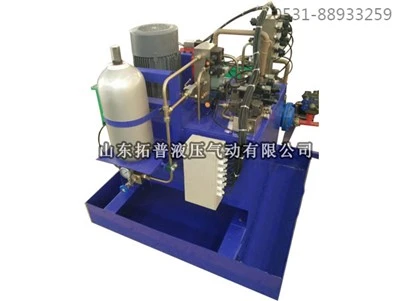
First, let’s get clear on what retrofitting even means for our side of the industry. Retrofitting isn’t “tinkering” or patching a broken part—it’s adding modern components to your existing machine to boost performance, cut waste, or meet new rules. Like swapping out your old pulp screen for a low-consistency model, or adding a digital sensor to fix that annoying spot where your paper web keeps tearing. It’s not a full rebuild, and it’s way cheaper than dropping $100k+ on a new machine. But it’s not always the right move.
Let’s start with the biggest sign you should retrofit: when your machine is underperforming because of outdated parts, not structural damage. I had a customer last year, a small mill in Ohio, their fourdrinier machine was 22 years old. They were hitting 12% waste on every run—paper breaks, uneven thickness, stuff that gets dumped right back into the pulp. At first, they were talking about a new fourdrinier, which would’ve set them back almost $250k. But when we did a walkthrough, the problem wasn’t the frame—it was the headbox. The old hydraulic controls couldn’t regulate pulp flow fast enough. We swapped in a new automated headbox module, added a couple of thickness sensors, and suddenly their waste dropped to 3.5%. That retro fit cost them $38k—less than a fifth of a new machine. That’s the sweet spot right there: your machine’s core structure is solid (no rusted frames, no cracked gears, no weird bending that makes the whole thing shake), but the “brains” or the key moving parts are stuck in 2005.
Another big one: when you’re struggling to hit new environmental or regulatory rules. Over the past 10 years, the EPA’s gotten way stricter on water use, energy consumption, and air emissions from paper mills. A lot of old mills have machines that use 20+ gallons of water per pound of paper, and they dump most of that untreated. Retrofitting with a closed-loop water system can cut water use by 70%—we did that for a mill in Michigan two years ago, and they saved $120k a year on water bills alone. Also, if you need to switch to producing a new type of paper, like packaging for e-commerce (which is huge right now), retrofitting lets you adjust the machine for higher strength, lighter weight, or different coating without rebuilding. I had a mill in North Carolina that used to make office paper, and they retrofitted their calender stack to handle linerboard. They didn’t have to shut down for 6 weeks to install a new machine—we did the retrofit during a 3-day holiday shutdown, so they only lost 3 days of production instead of a month. That’s a massive win for uptime.
Wait, but let’s be real—retrofitting isn’t for every issue. Let’s talk about when you should skip it and go for a new machine. First, if your machine has recurring structural problems. If every 6 months you’re replacing a cracked main shaft, or the foundation is sinking so bad the web is always off-center, that’s not a fixable retrofit. We had a customer in Pennsylvania who tried retrofitting a 30-year-old machine with a new drying section, but the main frame was so warped that the new drying rolls didn’t line up. They ended up having to replace the whole machine a year later, and total cost was way higher than if they’d just done a new one upfront. If your machine is older than 25 years and you’re having constant, random breakdowns even after recent part swaps, that’s a red flag. Old machines have hidden wear you can’t see—gears that are worn down, wiring that’s frayed inside the steel, bearings that are seizing up even if you grease them daily. Retrofitting those is just putting a band-aid on a bullet hole.
Another no-go: if your retro fit would cost 70% or more of buying a comparable new machine. Let’s say a new pulp processor is $150k. If your retro fit is $105k, that’s 70% of the new cost. At that point, you’re better off buying new because you’ll get a warranty, better energy efficiency, and fewer future breakdowns. We had a mill in Texas that tried to retrofit their refiner, and the final cost ended up being $112k—just $30k less than a new refiner. They ended up going new, and in the first year, the new one saved them $45k on energy, which more than made up the difference in the price gap. Also, if you’re planning to scale up production by more than 20%—your machine was built for 100 tons a day, and you want to go to 125. Retrofitting can only boost capacity so much. If you try to push an old machine beyond its design limit, you’ll get more breakdowns, more waste, and it won’t last. For that, a new machine with a higher capacity is the way to go.
Now, let’s talk about the process of deciding to retrofit, because it’s not just guessing. The first step, every time, is a free (yes, free) machine audit. We do these all the time—we send a tech to your mill, walk through every part of your machine, check the structure, test the performance, look at your maintenance logs. No sales pitch, no hard sell—just straight facts. A few years back, a mill in Wisconsin tried to skip the audit and just called us to order a retro fit for their press section. When our tech showed up, he noticed the press rolls were pitted so bad that even the new retro fitted parts wouldn’t work. They ended up replacing the rolls as part of a smaller retrofit, which cost half of what they were planning to spend. So don’t skip the audit—it’s the best way to avoid wasting money.
Also, when you do go the retrofit route, make sure you’re picking parts that are compatible. A lot of mill owners will try to buy cheap, generic parts to save money, but that’s a mistake. Paper machinery is super specific—your old machine runs on a certain voltage, has a certain shaft diameter, uses a certain type of pulp. If you mix a generic sensor with a proprietary old controller, you’ll get compatibility errors, downtime, and more repairs down the line. We only use parts that are made to fit your exact machine model, and we test every component before we install it. That’s why our retro fits have a 2-year warranty, which is way longer than what you get with cheap parts.
Another thing to consider: downtime. When you retrofit, you’re shutting down for usually 1 to 5 days, depending on the job. A new machine? That’s 2 to 8 weeks of downtime. So if you’re in a crunch—like you have a big order due in 2 months, and your machine just broke—retrofitting is way faster. We had a customer in Florida who had a machine breakdown 4 weeks before a huge order for pet food packaging. A new machine would’ve taken 6 weeks to deliver and install, so we did a 3-day retrofit of the broken part, and they got the order out on time. That’s the kind of thing that can make or break a small mill.
Wait, let’s also touch on recycled paper, which is a huge market right now. A lot of mills are switching to 100% recycled fiber instead of virgin pulp, because it’s cheaper and more sustainable. But recycled fiber has way more contaminants—plastics, glue, dirt—than virgin pulp. So your old machine might not handle that. Retrofitting with a cleaner screen system or a pulper with better decontamination can let you switch to recycled fiber without a new machine. We did that for a mill in Illinois that was using 30% recycled fiber, and after a retrofit, they went to 90% recycled, saved $200k a year on raw materials, and didn’t have to change their whole setup. That’s a massive opportunity that retro fits unlock.
Now, I’ve seen so many mill owners get stuck in the “fix it instead of replace it” mindset, which can work, but only if it’s the right time. The worst thing you can do is keep throwing money at retro fits on a machine that’s on its last legs. I had a customer in Canada who spent $80k on retro fits over 5 years on a machine that finally gave out, and when they replaced it, they realized they’d spent almost as much as a new machine. So the rule of thumb I use is: if your machine’s total retro fit cost (including parts and downtime) is less than 50% of a new comparable machine, and the core structure is solid, go for it. If it’s more than that, or you’re having structural issues, upgrade.
Also, don’t forget about resale value. If you ever plan to sell your mill, a retrofitted machine with updated components is way more valuable than an old machine with patched parts. Buyers know retro fits mean less maintenance, lower energy bills, and less risk of breakdowns. So if you’re thinking about the long game, retro fitting is a smart investment even if you don’t need it right now.
At the end of the day, this industry is all about balance. You don’t want to waste money on a new machine when a retro fit works, and you don’t want to keep pouring cash into a machine that’s dying. If you’re not sure which one applies to you, we can do that free audit, no strings attached. Just reach out, tell us a little about your machine—age, what you’re making, what’s been going wrong—and we’ll send a tech to walk through your mill, give you a straight answer on whether retro fitting is the right move, or if you should look at upgrading. No pressure, just honest advice from someone who’s been doing this for decades and knows how much every dollar counts for a mill.
Oh, and one last thing: make sure any retro fit you get is done by a supplier who knows paper machinery, not just general industrial equipment. A lot of suppliers will say they can do any machine, but paper machines have quirks—like the web tension, the pulp consistency, the way humidity affects the parts. We specialize only in paper machinery, so we know all those quirks. That’s why our retro fits work when others’ don’t.
So if you’re staring at a broken machine, wondering whether to fix it or replace it, don’t guess. Hit us up, and let’s figure it out together.
Casting Industry References
- Paper Machinery Association. (2022). Retrofitting vs. Replacement: Cost-Benefit Analysis for Mill Operations.
- Environmental Protection Agency. (2023). Best Management Practices for Paper Mill Water and Energy Efficiency.
- International Paper Science & Technology Series. (2021). Upgrading Paper Machinery for Recycled Fiber Processing.
- Smith, J. (2020). Operational Downtime in Paper Mills: Strategies for Minimization Through Retrofit Projects.
Shandong Huate Tuojiang Intelligent Equipment Co., Ltd.
As one of the leading manufacturers and suppliers of paper machinery industry system in China, we’re featured by quality products and good price. Please rest assured to buy advanced paper machinery industry system for sale here from our factory. Welcome to view our website for more information.
Address: Sino-German Cooperation Industrial Park, Licheng District, Jinan City, Shandong Province
E-mail: sdhttj01@163.com
WebSite: https://www.httjznzb.com/
