If you’ve ever priced a U drill or hauled one around a job site, you probably didn’t stop to think about its exact weight—until you had to. Maybe it didn’t fit in your toolbox, or you struggled to swing it onto your machine, or even worse, you picked up the wrong one and threw off your entire production line. As a U drill supplier who’s talked to hundreds of machinists, maintenance techs, and small shop owners, I can tell you this is way more common than you’d think. A lot of folks treat U drill weight like an afterthought, but it’s actually a huge deal for your workflow, tool safety, and even your bottom line. Let’s break this down straight, no confusing jargon, just the real stuff you need to know. U Drills
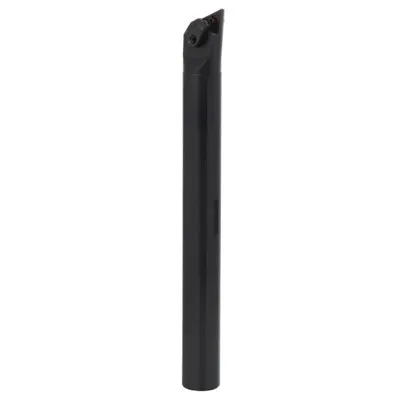
First off, what is a U drill anyway? For the newbies out there, a U drill (sometimes called a spit drill or deep-hole drill) is that nifty tool that lets you drill straight, deep holes super fast—like, way faster than a regular twist drill. It’s got an indexable insert on the end, so you can swap out the cutting part without tossing the whole drill body, and most of them use internal coolant to flush chips out mid-drill, which is why they’re a staple in automotive, aerospace, mold making, and all kinds of machining shops. Now, weight here isn’t just a random number stamped on the box; it’s a calculated value based on three main things: the drill’s body material, its diameter, and its length. That’s the big secret no one tells you—weight isn’t one-size-fits-all.
Let’s start with the basics of the drill body, because that’s where most of the mass comes from. A lot of people don’t realize U drill bodies aren’t made of the same stuff. The two most common materials are solid high-speed steel (HSS) and welded carbide steel. Solid HSS is the cheaper option, right? It’s tough, holds up to moderate heat, and works for general drilling tasks. Carbidetipped bodies (wait, no, actually full carbide bodies are a thing too, but let’s keep it simple) are lighter, stiffer, and way better for high-production runs where heat and speed are crazy. Wait, hold up—let’s get specific: a 20mm solid HSS U drill, for example, is gonna weigh way more than a 20mm carbide-tipped one of the same length. Why? Because carbide is denser? No, wait, no—carbide is actually heavier per cubic inch than HSS, but we only make the cutting edge out of carbide, so the body is the same steel as HSS. Oh, that’s a common mix-up! So if you see a U drill listed as “carbide,” it’s only the insert that’s carbide, the body is still steel, so the weight is way lower than a full solid carbide drill. Got it? That matters because if you’re lifting the drill, the body’s material is what you’re hefting, not the tiny insert.
Next up, diameter. This makes total sense—bigger drill = more metal = heavier. Let’s use actual numbers so it’s not just vague. I see a ton of new customers grab a drill that fits their hole size, but they don’t check the weight, and then they’re shocked when it’s too heavy for their tool changer. For example, a small 10mm U drill (super common for small parts) is about 0.5 to 0.7 kg, or roughly 1 to 1.5 pounds. That’s light enough to toss in a tool tray no problem. A mid-sized drill, like 30mm, jumps up to 2 to 3 kg (4.5 to 6.5 pounds)—still manageable, but if your tool changer only handles up to 2.5 kg, that’s a no-go. Then we get to the big ones: 50mm U drills, which are usually around 7 to 9 kg (15 to 20 pounds). I’ve had a machinist tell me he almost threw his back hefting a 60mm drill that was 12 kg (26 pounds) onto a horizontal mill. That’s not just an annoyance—it’s a safety risk. Lifting heavy tools all day leads to strains, dropped drills that can damage machines or injure people. Don’t sleep on this.
Third is length. U drills aren’t just for shallow holes—they’re for deep stuff, so their length can vary a lot. Standard U drills (sometimes called “short” or “standard”) are usually 3x to 5x diameter length, meaning a 30mm standard drill is 90 to 150 mm long. A 30mm deep-hole U drill, though, can be 10x, 15x, even 20x diameter—so 300 to 600 mm long. And more length means more metal, right? So weight goes up. Let’s tie this back to that 30mm drill: standard length is 2 to 3 kg, but a 15x diameter deep-hole version is often 4 to 5 kg (9 to 11 pounds). That’s double the weight for the same diameter, just because it’s longer. Why does that matter beyond lifting? If your tool spindle is rated for a certain tool weight, a longer, heavier drill can put too much strain on the spindle bearings over time. That leads to premature spindle wear, expensive repairs, and downtime. I’ve seen shops skip checking weight and end up replacing a $10k spindle because they tried to run a 10kg drill on a machine rated for 8kg. Ouch, that’s a costly mistake.
Now, let’s talk about why this isn’t just a “carrying around a heavy drill” problem. Let’s get into the actual use cases, since that’s where it hits your pocket. First, tool changers. Most CNC machines have automatic tool changers (ATCs) that work with a specific weight limit for each tool position. If your U drill is too heavy, it can’t load or unload properly. That means your machine sits idle while a tech has to manually adjust it, or worse, the ATC jams, and you’re looking at a $500 service call. I’ve had a customer last month tell me he spent 3 hours waiting for a technician because his 5kg 32mm drill was 1kg over his ATC’s limit. He could’ve avoided that if he’d checked the weight first.
Then there’s spindle performance. Heavier tools have more mass, so they take longer to accelerate and decelerate during tool changes. That slows down your cycle times—every tool change that takes an extra 0.5 seconds adds up over a 100-part job, that’s 50 extra seconds per job, or almost an hour a week for a shop running 20 jobs a week. Multiply that by labor rates, and that’s hundreds of dollars lost every month. Also, the extra mass causes more vibration when you’re drilling. Vibration leads to poor hole quality—rough surfaces, out-of-round holes, even drill breakage. A heavier drill might seem sturdier, but if it’s too heavy for your spindle, it will flex, and that flex ruins your work. I’ve had a mold maker tell me he got 20 bad parts in a row because he used a drill that was too heavy for his mill, and the holes were off by 0.2mm—enough to scrap the entire mold insert. That’s thousands of dollars in material and labor wasted, all because he didn’t check the weight.
Wait, but what about people who do need a heavy drill? Are there cases where weight is a good thing? Yeah, absolutely. If you’re running a big, heavy horizontal mill in a production shop, a 10kg 60mm drill is perfect—its extra mass gives it the rigidity you need for deep, large holes without vibration. It’s all about matching the drill’s weight to your machine’s capabilities. That’s the key: weight isn’t “good” or “bad”—it’s just a spec you need to align with your setup.
Now, let’s clear up some common myths I hear all the time. First myth: “All U drills of the same diameter have the same weight.” No way. I’ve got two 25mm U drills on my shelf right now: one is solid HSS, weighs 2.8kg, the other is carbide-tipped, weighs 2.1kg. Same diameter, different body material, 0.7kg difference. That’s enough to make a difference for a small ATC. Second myth: “Longer U drills are always heavier.” Not exactly. Some manufacturers make hollow U drill bodies to cut down on weight for deep-hole applications. I know a lot of suppliers who do this—they drill out the inside of the steel body instead of making it solid, so a 5x diameter 30mm drill might weigh 1.8kg instead of 2.2kg. That’s a game-changer for shops with lighter ATCs. But you have to ask, because not all manufacturers do that. Third myth: “More weight means better performance.” Nope. A heavy drill on a small mill will flex more than a lighter, properly sized one. I’ve seen guys swap a 3kg drill for a 2.2kg drill on a 10x machine and get way better hole accuracy, just because it didn’t flex under load.
So, what do you actually do when you’re picking a U drill, instead of just grabbing whatever fits your hole size? Let’s make a step-by-step list, no fancy stuff: First, check your machine’s tool weight limits. That’s on your CNC spec sheet, or you can look it up in your machine’s manual. Write that number down. Second, note the diameter of the hole you need, and how deep it is. If it’s a standard shallow hole (3x to 5x diameter), stick to a standard length drill. If it’s a deep hole (10x+), go for a deep-hole drill, but check if the manufacturer offers a hollow body version. Third, compare weights from different suppliers. A lot of people just go with the cheapest drill, but sometimes a $10 more expensive hollow drill is lighter, fits your ATC, and saves you from downtime. Fourth, if you’re not sure, ask your supplier. That’s what we’re here for. I get calls every day from guys saying “I need a 30mm drill for my Haas, what’s the max weight I can use?” and I tell them, no guesswork, just the specs that work for their machine.
Wait, let’s throw in a real quick example from my shop to make this tangible. Last quarter, we had a customer who was making engine blocks, running a Mazak CNC mill. He was using a 40mm solid HSS U drill that weighed 5.2kg, and his ATC was rated for 5kg. Every other drill was fine, but this one was 0.2kg over. He kept getting ATC jams, and every time that happened, his cycle time went up 2 minutes. We swapped him to our hollow-body 40mm carbide-tipped drill, which was 4.8kg—still the same diameter, same insert, same performance, just lighter. He told me later that saved him 3 hours a week in downtime, which is almost $1,200 a week in labor for his shop. That’s not a small number, that’s a big difference from a 0.2kg weight change.
Now, let’s talk about maintenance, because weight also ties into how to care for your drills. Heavier drills are more prone to spindle damage if they’re dropped, right? A 12kg drill falling 3 feet is way more force than a 5kg one. If you’re lifting drills manually, make sure you use a lift assist for anything over 5kg. I know it sounds silly, but I’ve seen way too many machinists ignore that and end up with back injuries that take them out of work for weeks. Also, when storing drills, don’t stack heavy ones on top of lighter ones—this can bend the drill body, which makes it unbalanced, leading to vibration when you use it.
Okay, let’s wrap this up. U drill weight isn’t a trivial detail. It’s tied to your machine’s limits, your cycle times, your safety, and your bottom line. The worst mistake you can make is treating it like an afterthought when you’re browsing drill specs. Instead, take 2 minutes to check your machine’s weight limit, match it to the drill’s diameter and length, and don’t be afraid to ask your supplier for help. At the end of the day, the right weight drill will run smoother, last longer, and keep your shop from losing money to downtime or bad parts.
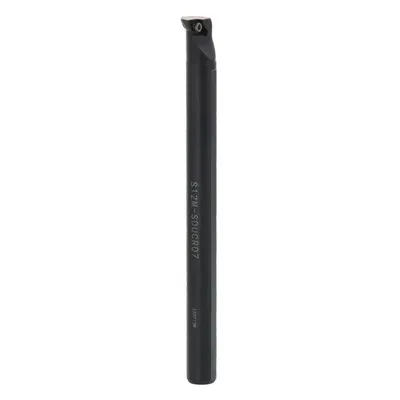
If you’re in the market for U drills and you want to make sure you’re getting the right weight for your setup, hit us up. We can walk you through the specs, compare different models, and make sure you don’t waste money on a drill that’s too heavy, or too flimsy, for your needs. No pressure, just straight advice for machinists like us.
F1 Boring Bar References
- Machining Data Handbook, 5th Edition. Manufacturing Engineering Associates, 2020.
- “CNC Tool Changer Weight Limitations,” Modern Machine Shop, 2022.
- Indexable Drill Design and Performance, ASME International, 2019.
- Occupational Safety and Health Administration (OSHA), “Ergonomics for Manual Lifting,” 2021.
Small Craftsman (Shandong) Machine & Tools Co., Ltd.
Small Craftsman (Shandong) Machine & Tools Co., Ltd. is one of the most experienced u drills manufacturers and suppliers in China, also supports customized service with low price. Please feel free to buy bulk high quality u drills in stock here from our factory. Contact us for pricelist.
Address: No.9 Quanxin Rd., Sishui Economic Developing Zone, Jining, Shandong, China.
E-mail: 6196@ocutchina.com
WebSite: https://www.ocutooling.com/
